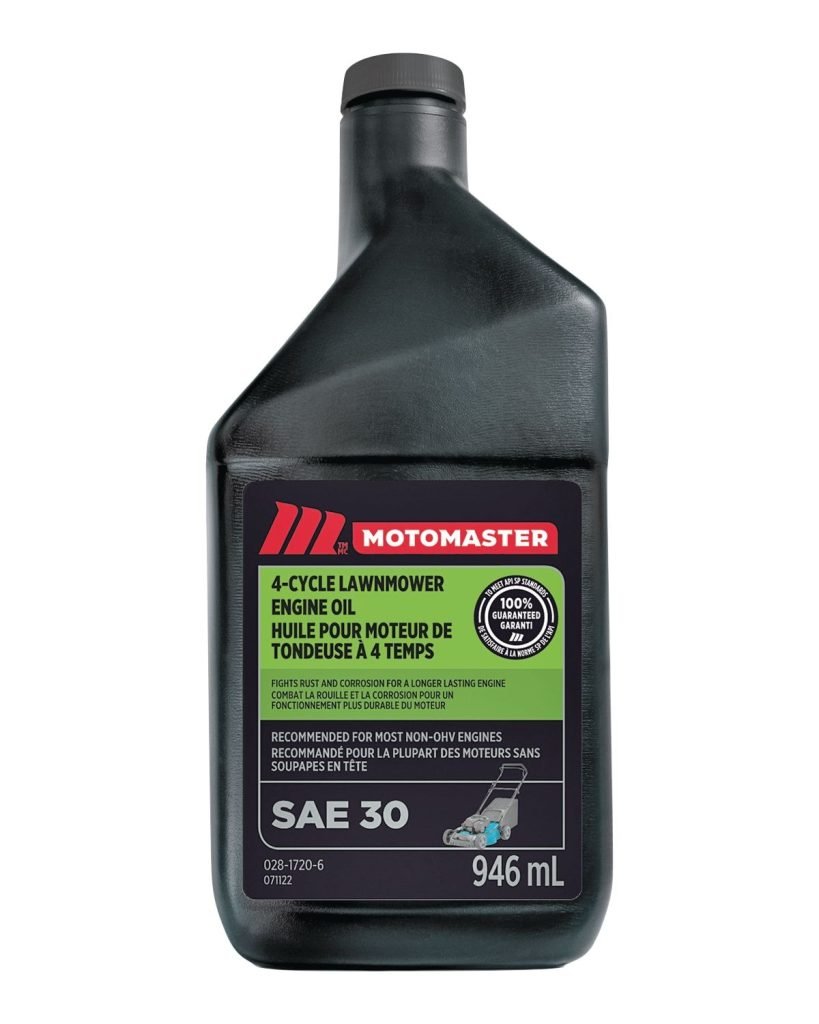
Choosing the right oil for your lawn mower is more important than you might think. It’s not just about keeping your machine running smoothly; it’s about extending its life and ensuring every cut is as clean as the last.
Imagine pushing your mower across your lawn, confident in the knowledge that you’ve given it the best care possible. But what oil should you actually use? With so many options available, it can be overwhelming to know which one is right for your specific machine.
Don’t worry, though—by the end of this article, you’ll have all the information you need to make an informed decision. Whether you’re a seasoned gardener or just starting out, understanding the right oil for your mower is a game-changer. Keep reading to discover the secrets of optimal lawn mower maintenance and make your yard the envy of the neighborhood.
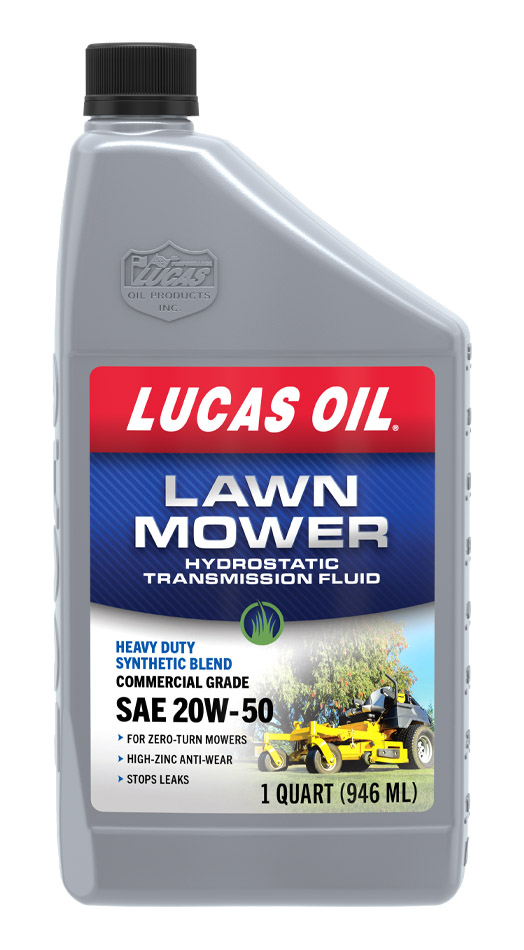
Credit: www.lucasoil.com
Choosing The Right Oil
Choosing the right oil for your lawn mower is key to keeping the engine running smoothly. The correct oil helps reduce wear and tear. It improves performance and extends the mower’s life. Using the wrong oil can cause damage and costly repairs. Understanding the types of oil and their properties will help you make the best choice for your mower.
Types Of Lawn Mower Oils
Lawn mower oils come in several types. The most common are conventional, synthetic, and blends. Conventional oil is made from refined crude oil. It works well for older mower models. Synthetic oil is made from chemical compounds. It offers better engine protection and lasts longer. Blended oil mixes both conventional and synthetic oils. It provides some benefits of synthetic oil at a lower cost.
Synthetic Vs Conventional Oil
Synthetic oil flows better at low temperatures. It also resists breakdown in hot conditions. This makes synthetic oil ideal for extreme weather. Conventional oil is cheaper but breaks down faster. It needs more frequent changes. Synthetic oil helps engines start easier in cold weather. It also reduces engine deposits. Choose synthetic oil for better engine life and performance.
Viscosity And Seasonal Considerations
Viscosity means how thick or thin the oil is. It affects how well the oil flows inside the engine. Lawn mower oils have numbers like 10W-30. The “W” stands for winter. The first number shows how the oil flows when cold. The second number is how it behaves when hot. Use lower numbers in cold seasons for easier starts. Higher numbers work better in hot weather. Always check your mower’s manual for the correct viscosity.

Credit: lawnsmartkc.com
Oil Specifications To Look For
Choosing the right oil for your lawn mower depends on specific oil qualities. These qualities ensure the engine runs smoothly and lasts longer. Knowing which oil specifications matter helps you pick the best oil. Focus on three main areas to guide your choice.
Api Service Categories
The American Petroleum Institute (API) sets standards for motor oils. These standards show oil quality and engine protection level. Lawn mower engines usually need oils rated under “SJ,” “SL,” or newer categories. Using the correct API rating prevents engine wear and damage. Always check the oil label for the API symbol and category.
Manufacturer Recommendations
Every lawn mower brand and model has its own oil needs. The manufacturer’s manual lists the best oil types and viscosity grades. Using the recommended oil keeps the warranty valid and engine safe. Follow the manual’s advice on oil change intervals too. This practice keeps the mower running at its best.
Oil Additives And Their Benefits
Oil additives improve performance and protect the engine. Some common additives include detergents, anti-wear agents, and corrosion inhibitors.
- Detergents:Clean engine parts and reduce deposits.
- Anti-wear agents:Protect metal surfaces from friction damage.
- Corrosion inhibitors:Prevent rust inside the engine.
Choosing oil with the right additives helps maintain engine health and efficiency.
Changing Your Lawn Mower Oil
Changing your lawn mower oil keeps the engine running smoothly. Fresh oil reduces wear and tear. It also helps the mower cut grass more efficiently. Regular oil changes extend the life of your mower.
How Often To Change Oil
Check the owner’s manual for exact times. Most lawn mowers need an oil change every 25 to 50 hours of use. For new mowers, change the oil after the first 5 hours. After that, change oil at the start of each mowing season or every 3 months.
Step-by-step Oil Change Guide
- Run the mower for a few minutes. Warm oil drains faster and more completely.
- Turn off the mower and disconnect the spark plug for safety.
- Find the oil drain plug or tilt the mower to drain oil into a pan.
- Remove the oil plug and let the old oil drain completely.
- Replace the drain plug securely.
- Open the oil fill cap and pour in new oil. Use the type recommended in your manual.
- Check the oil level with the dipstick. Add oil if needed.
- Reconnect the spark plug. Start the mower and check for leaks.
Disposing Of Used Oil Safely
Never pour used oil on the ground or down drains. It harms the environment. Store used oil in a sealed container.
Take it to a recycling center or auto shop. Many places accept used oil for free. Proper disposal protects water and soil.
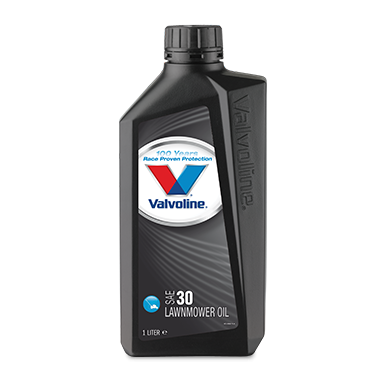
Credit: www.valvolineglobal.com
Common Oil-related Issues
Oil is vital for your lawn mower’s engine. Problems with oil can cause serious damage and reduce mower life. Knowing common oil-related issues helps keep the mower running smoothly. Watch for warning signs, fix leaks quickly, and take steps to prevent engine damage.
Signs Of Oil Problems
- Dark, dirty oil on the dipstick
- Smoke coming from the exhaust
- Engine running hotter than usual
- Unusual engine noises or knocking sounds
- Oil puddles under the mower
- Difficulty starting the engine
Regularly check the oil to catch these signs early. Clean oil keeps the engine parts moving freely and cool.
How To Fix Oil Leaks
Locate the leak by cleaning the engine first. Look around oil seals, drain plugs, and gaskets. Tighten loose bolts and replace worn seals.
Use the correct oil type recommended for your mower. Avoid overfilling the oil tank. Change oil and oil filter regularly to prevent leaks.
Preventing Engine Damage
- Use the right oil grade for your mower model
- Change oil after every 25 hours of use
- Check oil level before each use
- Store mower in a dry, clean place
- Keep air filters clean to reduce engine strain
Good oil care extends the life of your mower engine. It keeps parts lubricated and prevents overheating. Avoid engine damage with simple, regular maintenance.
Tips For Optimal Lawn Mower Performance
Maintaining your lawn mower in top condition ensures smooth operation and extends its life. Small habits can greatly improve performance. Regular care keeps the engine running efficiently and prevents costly repairs. Follow simple tips to get the best from your mower every season.
Regular Maintenance Practices
Check the oil level before each use. Change the oil according to the manual’s schedule. Clean or replace the air filter regularly. Keep the blades sharp to cut grass cleanly. Remove grass clippings and debris after mowing. Tighten loose bolts and screws to prevent damage. Test the spark plug and replace it if worn out.
Storing Your Mower Properly
Empty the fuel tank or add a fuel stabilizer before storage. Store the mower in a dry, sheltered place. Clean the mower thoroughly to avoid rust. Keep the oil fresh by changing it before storage. Cover the mower to protect it from dust. Check the battery, if applicable, and charge it occasionally.
Using Oil Stabilizers
Oil stabilizers help protect the engine during long storage. They prevent oil breakdown and reduce wear. Add the stabilizer to fresh oil as directed. Use stabilizers recommended for small engines. This keeps the engine parts lubricated and clean. Regular use improves mower reliability and performance.
Frequently Asked Questions
What Type Of Oil Is Best For Lawn Mowers?
Use SAE 30 oil for warm weather and 10W-30 for multi-season. Always check your mower’s manual for recommendations.
How Often Should I Change Lawn Mower Oil?
Change the oil after every 25-50 hours of use or at least once per mowing season to keep the engine running smoothly.
Can Synthetic Oil Be Used In Lawn Mowers?
Yes, synthetic oil improves engine performance and lasts longer. Use synthetic 10W-30 if recommended by the manufacturer.
What Happens If I Use The Wrong Oil In Lawn Mower?
Using incorrect oil can cause engine damage, poor performance, and increased wear. Always follow manufacturer oil specifications.
Conclusion
Choosing the right oil keeps your lawn mower running smooth. Use the oil grade recommended by the manufacturer. Change the oil regularly to avoid engine problems. Clean oil helps your mower last longer. Avoid mixing different oils to prevent damage.
Always check oil levels before each use. Proper oil care saves time and money. Your lawn mower will work better with good oil. Simple steps make a big difference in mower life. Keep your mower healthy with the right oil choice.





