
Imagine you’re cruising down the open road, the wind in your hair, and your engine purring like a contented cat. Suddenly, your car starts to sputter, and you feel a jolt of panic.
What could be wrong? Believe it or not, the culprit might be a tiny component that plays a big role in your engine’s performance: the spark plug. Specifically, it could be a spark plug with too cold a heat range.
Understanding the heat range of your spark plugs is crucial for maintaining your vehicle’s health and performance. If they’re too cold, they can lead to a host of problems that can hamper your driving experience. Curious to know how this small detail can have such a big impact? Stick around, because you’re about to discover why the heat range of your spark plugs matters more than you might think.
Heat Range Basics
Understanding heat range is key to picking the right spark plug. It controls the temperature the plug’s tip reaches during engine operation. This temperature affects how the spark plug performs and the engine’s health.
Choosing a spark plug with the wrong heat range can cause serious issues. A plug that runs too cold or too hot can lead to poor fuel use, engine damage, or starting troubles. Knowing the basics helps avoid these problems.
What Heat Range Means
Heat range is a number that shows how hot a spark plug gets. Lower numbers mean hotter plugs. Higher numbers mean colder plugs. The right heat range keeps the plug tip hot enough to burn off deposits but not so hot it causes damage.
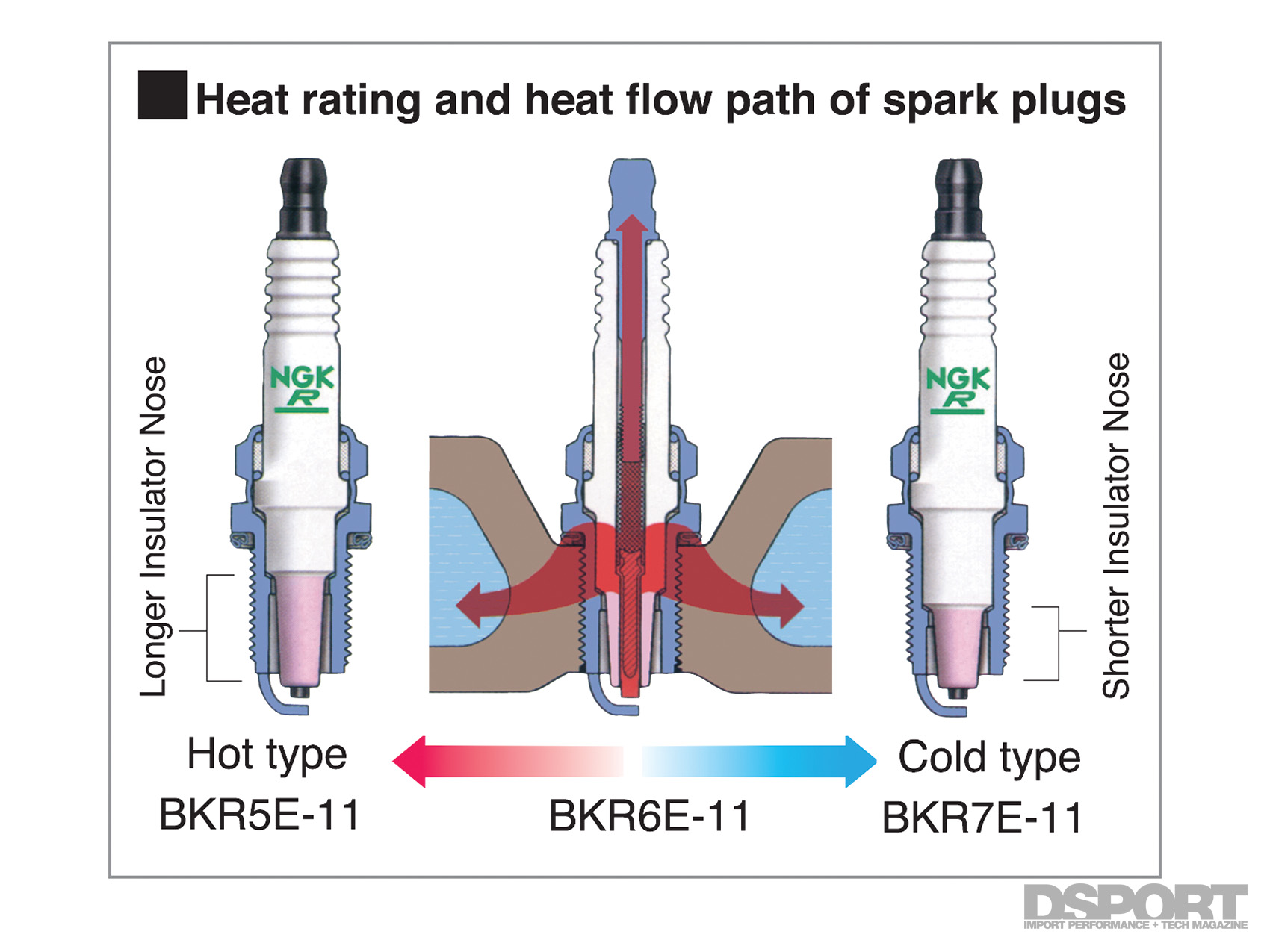
A plug’s heat range depends on its design and materials. The length of the insulator nose affects how fast heat moves away. A short nose means a hotter plug, while a long nose means a cooler plug.
How Heat Range Affects Engine
A spark plug with too cold a heat range stays cooler than needed. This causes carbon to build up on the tip. The carbon makes the spark weak or stops it altogether. The engine runs rough, loses power, and uses more fuel.
Too cold plugs also cause hard starting and poor idling. The engine may misfire, causing damage over time. They do not burn off deposits properly, leading to fouling.
Choosing the correct heat range helps the engine run smoothly. It keeps the spark plug clean and the combustion efficient. The engine lasts longer and performs better.
Credit: carfromjapan.com
Cold Heat Range Spark Plugs
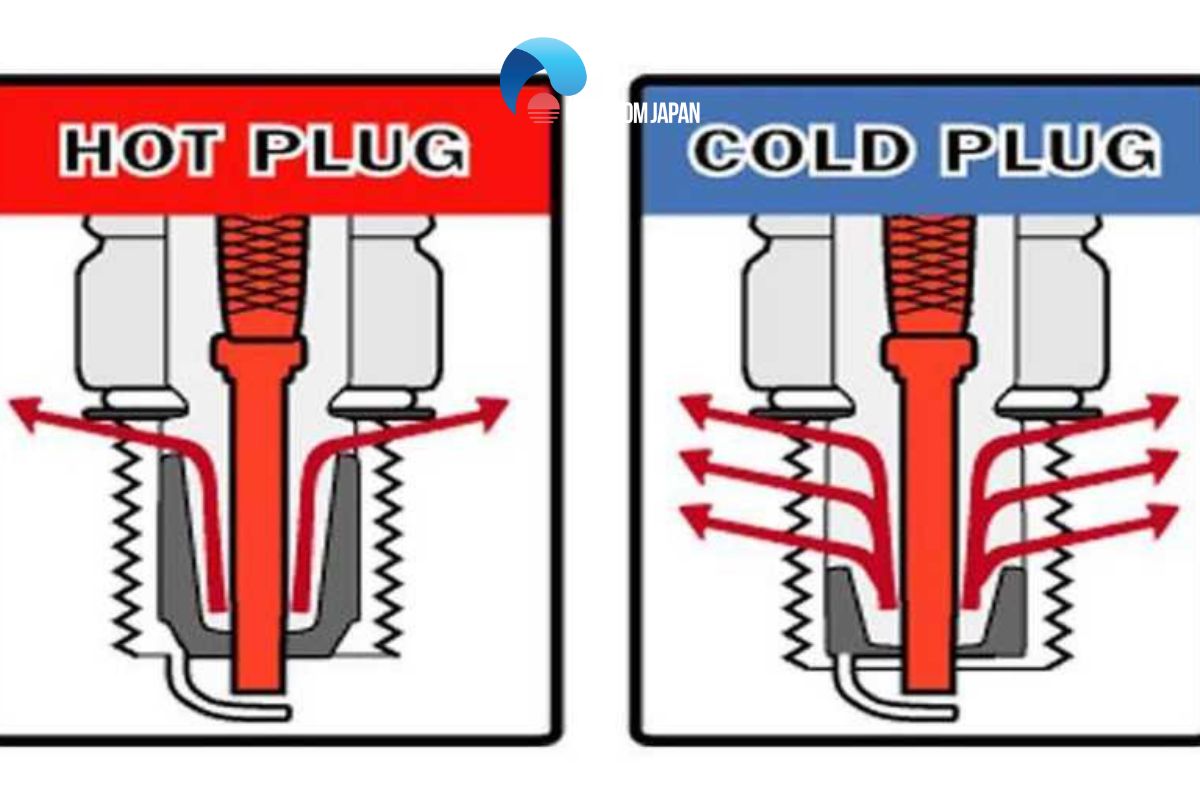
Cold heat range spark plugs have a lower operating temperature. They remove heat faster than standard plugs. This helps prevent overheating in certain engines. Using the right heat range is key for engine health. A plug that is too cold can cause problems.
Characteristics Of Cold Plugs
- Faster heat dissipation to avoid overheating
- Shorter insulator nose compared to hotter plugs
- Designed for high-performance or high-compression engines
- Help prevent pre-ignition and detonation
- Operate at cooler temperatures, typically below 500°C
When To Use Cold Plugs
- Engines with high compression ratios
- Vehicles used for racing or heavy loads
- Engines running at high RPM for long periods
- Forced induction engines like turbocharged or supercharged
- When the engine runs hotter than normal with standard plugs
Risks Of Too Cold Heat Range
Choosing the right spark plug heat range is crucial for your engine’s performance. A spark plug with too cold a heat range might seem like a safe choice to prevent overheating, but it actually brings several risks. Understanding these risks can help you avoid costly engine damage and maintain smooth operation.
Pre-ignition And Detonation
Using a spark plug that runs too cold can cause the plug tip to stay cooler than necessary. This may lead to carbon buildup on the plug, which acts like a tiny hot spot inside the combustion chamber.
These hot spots can ignite the air-fuel mixture prematurely, causing pre-ignition. Pre-ignition often leads to detonation, where fuel explodes instead of burning smoothly. Have you ever noticed knocking or pinging sounds during acceleration? That could be a sign of detonation caused by a cold spark plug.
Ignoring these sounds can damage pistons, valves, and even the cylinder head. It’s a serious problem that can shorten your engine’s life if not addressed.
Engine Overheating Symptoms
It might sound odd, but a cold spark plug can contribute to engine overheating. How? Because the combustion chamber doesn’t burn fuel efficiently, the engine has to work harder, generating extra heat.
Watch out for symptoms like:
- Unexplained temperature spikes on your dashboard gauge
- Reduced fuel efficiency
- Engine hesitation or power loss
These signs often hint at improper spark plug heat range. If your engine overheats despite having a cold plug, it’s time to reconsider your spark plug choice.
Engine Damage From Cold Plugs
Using a spark plug with too cold a heat range can cause serious engine damage. These plugs don’t reach the proper temperature to burn off carbon deposits, leading to buildup and overheating in critical areas. Over time, this neglect can wear down engine parts, affecting performance and longevity.
Piston And Cylinder Wear
Cold plugs often cause incomplete combustion, which leaves behind carbon deposits on pistons and cylinder walls. These deposits act like abrasive materials, grinding against moving parts every time the engine runs. You might notice reduced power or rough idling, but the real damage happens inside where you can’t see.
If you ignore this, the piston rings can wear out faster, causing poor compression and oil leaks. Have you ever wondered why your engine’s oil consumption suddenly increases? It could be linked to these hidden effects of cold plugs.
Valve And Head Damage
Valves and cylinder heads are vulnerable to the overheating caused by cold spark plugs. The excess carbon buildup raises combustion temperatures, which can warp valve seats and damage the head surface. This leads to valve leaks and poor sealing, making your engine lose efficiency and misfire.
Think about how a small valve leak can cause noticeable power loss and higher emissions. Fixing these issues often means costly repairs or even replacing the cylinder head. Using the correct heat range spark plug is a simple step to avoid these expensive problems.
Choosing The Right Spark Plug
Choosing the right spark plug is crucial for your engine’s performance and longevity. A spark plug that runs too cold can cause incomplete combustion, leading to fouling and poor fuel efficiency. Understanding how to pick the correct heat range ensures your engine runs smoothly without unnecessary wear or damage.
Matching Heat Range To Engine Type
Different engines require different spark plug heat ranges to operate efficiently. High-performance or high-compression engines often need hotter plugs because they generate more heat during combustion. Conversely, engines that run cooler or are used for short trips usually benefit from colder plugs to prevent overheating.
Ask yourself: what kind of driving do you do most? If your engine frequently runs at high RPMs, a hotter plug might be better. But if you mostly drive in stop-and-go traffic, a colder plug can help avoid pre-ignition.
Consulting Manufacturer Specs
Your vehicle’s manufacturer provides specific spark plug recommendations for a reason. These specs consider your engine’s design, fuel type, and operating conditions. Ignoring them can lead to poor performance or even engine damage.
Check your owner’s manual or the manufacturer’s website before buying spark plugs. They often list acceptable heat ranges, electrode types, and gap sizes. Following these guidelines can save you money and keep your engine running at its best.
Credit: dsportmag.com
Maintaining Spark Plug Performance
Maintaining spark plug performance is essential for your engine’s smooth operation. A spark plug with too cold a heat range can cause poor combustion and engine issues. Proper care helps avoid these problems and extends spark plug life.
Regular checks keep your spark plugs working efficiently. Clean plugs burn fuel better and reduce engine misfires. Monitoring the spark plug condition helps spot heat range problems early.
Regular Inspection Tips
- Remove spark plugs carefully to avoid damage.
- Look for signs of wear or deposits on the electrodes.
- Check the gap between electrodes with a feeler gauge.
- Clean mild carbon deposits gently with a wire brush.
- Replace spark plugs showing heavy deposits or erosion.
- Inspect spark plug wires and boots for cracks or wear.
- Record inspection dates to maintain a regular schedule.
Signs Of Heat Range Issues
- Engine misfires or rough idling during acceleration.
- Spark plugs appear unusually clean with no signs of burning.
- Excessive carbon buildup on the spark plug tip.
- Engine knocking or pinging sounds under load.
- Reduced fuel efficiency and increased emissions.
- Overheating spark plugs showing blistered or melted electrodes.
Credit: carfromjapan.com
Frequently Asked Questions
What Happens If A Spark Plug Is Too Cold?
A spark plug with too cold a heat range won’t reach optimal temperature. This causes carbon buildup, fouling the plug and reducing engine performance.
How Does A Cold Spark Plug Affect Engine Efficiency?
A cold spark plug causes incomplete combustion. This leads to poor fuel efficiency, rough idling, and increased emissions from the engine.
Can A Cold Spark Plug Cause Engine Misfires?
Yes, a spark plug that is too cold can misfire. It struggles to ignite the fuel mixture properly, disrupting smooth engine operation.
Why Is Selecting The Correct Heat Range Important?
Choosing the right heat range ensures the spark plug operates at ideal temperature. This prevents fouling or overheating, improving engine reliability and lifespan.
Conclusion
A spark plug with too cold a heat range can cause engine problems. It may not reach the right temperature to burn off deposits. This leads to fouling and poor engine performance. The engine might run rough or lose power.
Choosing the correct heat range helps your engine stay clean and work well. Always check your vehicle’s manual before changing spark plugs. Proper spark plug heat range keeps your engine healthy and efficient. Avoid cold plugs to prevent unnecessary wear and tear.
Keep your engine running smoothly with the right spark plug choice.





