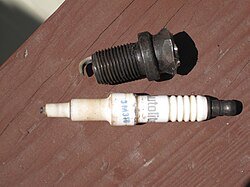
Have you ever wondered about the tiny but mighty component that ignites the engine of your car? Yes, we’re talking about the spark plug, the unsung hero of every combustion engine.
But who created this essential piece of technology that powers your daily commute and weekend adventures? The story behind the spark plug’s invention is as intriguing as the device itself. We’ll unravel the fascinating history of the spark plug, revealing the brilliant mind behind its creation.
Stay with us, and you might just discover some surprising facts that will spark your curiosity and deepen your appreciation for this crucial automotive component.

Credit: www.youtube.com
Early Ignition Technologies
Early ignition technologies laid the foundation for modern engines. They helped start combustion inside engines before the invention of the spark plug. These methods were often simple and sometimes unreliable. Engineers experimented with several ideas to ignite fuel and air mixtures effectively. Understanding these technologies shows how the spark plug became essential.
Pre-spark Plug Ignition Methods
Before spark plugs, engines used different ways to ignite fuel:
- Hot tube ignition: A heated metal tube ignited the fuel-air mix.
- Glow plug ignition: A red-hot element started combustion in some engines.
- Flame ignition: An open flame ignited the fuel-air mixture in early engines.
- Electric ignition: Early attempts used simple electric sparks but lacked reliability.
Each method aimed to create a spark or heat to start the engine. These approaches had limits in speed and safety.
Challenges In Early Engine Ignition
Early ignition methods faced many problems:
- Inconsistent ignition timing made engines run poorly.
- Heat sources often wore out quickly or broke down.
- Open flames caused safety hazards and fuel loss.
- Electric sparks were weak and unreliable without good technology.
These challenges slowed engine performance and limited their use. The need for a better ignition system led to the spark plug’s creation.
The Spark Plug Inventor
The spark plug is a crucial component in the functioning of internal combustion engines, igniting the fuel-air mixture that powers your car. But have you ever wondered who was behind this small yet powerful invention? Understanding the story of the spark plug inventor gives you insight into the blend of creativity and necessity that drives innovation.
Background And Early Life
The spark plug was invented by Étienne Lenoir, a Belgian-born engineer who lived during the 19th century. From a young age, Lenoir showed a strong interest in mechanics and engineering, often experimenting with electrical devices and engines. His early work focused on improving combustion engines, setting the stage for his breakthrough invention.
Lenoir’s background wasn’t just about theory; he was hands-on and practical. This approach helped him develop not only the spark plug but also one of the first gas-powered engines. Have you ever considered how hands-on experience might shape your own problem-solving skills?
Inspiration Behind The Invention
Lenoir’s inspiration came from the need to ignite fuel efficiently inside an engine cylinder. Before his invention, engines lacked a reliable way to start combustion, limiting their performance and usefulness. He realized that delivering a controlled electric spark could solve this problem.
His work was motivated by the desire to create a more efficient and powerful engine. The spark plug’s design was simple yet effective, combining electrical principles with mechanical needs. This shows how focusing on a specific challenge can lead to inventions that change entire industries.
Development Of The Spark Plug
The development of the spark plug marks a fascinating journey of trial, error, and genius. It wasn’t an overnight invention but a series of improvements that shaped how engines ignite fuel today. Understanding this progression can give you a deeper appreciation of a component you might take for granted.
Initial Designs And Prototypes
The earliest spark plugs were rudimentary and often unreliable. Inventors experimented with various materials and shapes to create a consistent spark. Early models used simple wires or carbon rods placed in the combustion chamber to produce a spark, but these often failed under high heat and pressure.
One key challenge was finding a material that could withstand repeated sparking without degrading quickly. Designers also struggled with insulation, as early plugs sometimes short-circuited due to poor separation between the electrodes. These initial setbacks pushed inventors to keep refining their designs.
Technical Innovations Introduced
Several technical breakthroughs helped spark plugs become the dependable parts we know today. The introduction of porcelain as an insulator was a game-changer. Porcelain could handle high temperatures and electrical stress, preventing shorts and improving durability.
Another major innovation was the use of metals like nickel and platinum for the electrodes. These metals resist corrosion and wear, extending the spark plug’s life. Engineers also optimized the gap between electrodes to ensure the spark was strong enough to ignite fuel efficiently.
Have you ever wondered how such a small part can impact your vehicle’s performance? Even tiny changes in spark plug design can affect fuel efficiency and engine power. Paying attention to your spark plugs might save you money and improve your driving experience more than you expect.
Impact On Engine Technology
The spark plug changed engine technology deeply. It made engines work better and more reliably. This small device helps engines start and run smoothly. Its invention marked a major step in engine design. Engines became more efficient and easier to maintain.
Enhancing Engine Efficiency
The spark plug creates a spark that ignites the fuel-air mix. This ignition is quick and precise. It helps the engine burn fuel completely. Better fuel burning means more power and less waste. Engines with good spark plugs use fuel in a smart way. They produce fewer emissions and save energy.
Spark Plug’s Role In Automotive Evolution
The spark plug made cars practical and popular. Early engines were hard to start and unreliable. The spark plug solved these problems. It allowed engines to start quickly in all weather. Cars became more dependable and easier to drive. This helped the auto industry grow fast. Spark plugs remain key parts in modern engines today.
Legacy Of The Inventor
The legacy of the spark plug inventor lives on in every engine around the world. This invention shaped the way machines run by providing a reliable ignition source. The inventor’s work paved the path for modern engines and automotive technology. Their contribution remains vital in both old and new vehicles today.
Recognition And Patents
The inventor received several patents for the spark plug design. These patents secured their work and protected the invention’s unique features. Recognition came from industry leaders who saw the spark plug’s potential. Museums and historical records also honor the inventor’s achievements. This recognition highlights the importance of their contribution to engine technology.
Influence On Modern Ignition Systems
The spark plug influenced how modern ignition systems operate. It became a key component in gasoline engines worldwide. Today’s ignition systems build upon the original spark plug concept. Improvements include better materials and design for efficiency. The inventor’s idea still powers cars, motorcycles, and many machines. Their legacy shapes the future of engine technology.

Credit: www.autolite.com

Credit: www.gsparkplug.com
Frequently Asked Questions
Who Invented The Spark Plug Originally?
The spark plug was originally invented by Étienne Lenoir in 1860. He created it for his gas engine to ignite the fuel-air mixture. This innovation paved the way for modern internal combustion engines and automotive technology.
When Was The Spark Plug First Created?
The spark plug was first created in 1860 by Étienne Lenoir. It was designed to ignite fuel in early gas engines. This invention marked a significant milestone in engine development and automotive engineering.
What Materials Are Spark Plugs Made From?
Spark plugs are typically made from metal alloys like nickel or platinum. They also contain a ceramic insulator to withstand high temperatures. These materials ensure durability and efficient ignition in combustion engines.
How Does A Spark Plug Work In Engines?
A spark plug produces an electric spark to ignite the fuel-air mixture. It creates combustion that powers the engine’s pistons. This process is essential for starting and running gasoline engines efficiently.
Conclusion
The spark plug’s creation changed how engines work today. It started with inventors who wanted better ignition. Their ideas led to a small but vital part. This part helps cars and machines run smoothly. Knowing who created it shows how simple ideas grow.
Every engine depends on this tiny device. It keeps engines firing and powers many tools. The spark plug’s story reminds us of human creativity. Small inventions can have big effects over time.





