Are you ready to tackle a spark plug replacement but unsure about the right socket size? It’s a common question that can leave you scratching your head.
Getting it wrong could mean wasted time, frustration, or even damage to your tools or car. But don’t worry, you’re not alone, and we’re here to help. In this guide, you’ll discover exactly what size socket you need for spark plugs, ensuring that your DIY car maintenance goes smoothly.
Imagine the satisfaction of confidently choosing the right tools and completing the job without a hitch. Keep reading to unlock the secrets that will make you a spark plug pro.
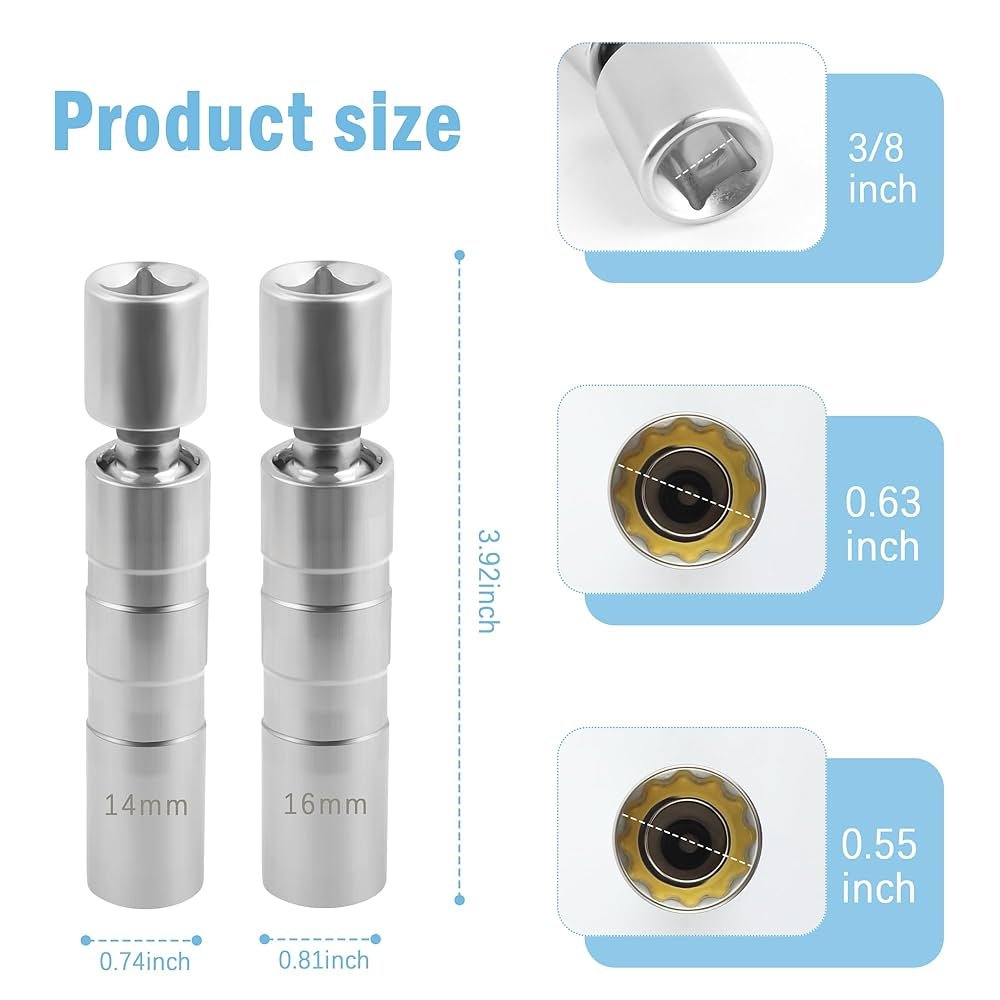
Spark Plug Socket Sizes
Spark plug socket sizes vary depending on the type and model of the spark plug. Using the right socket size is important for a secure fit and easy removal. This ensures you do not damage the spark plug or the engine parts. Knowing the common sizes and the difference between metric and imperial sockets helps choose the correct tool.
Common Socket Sizes
Most spark plugs use sockets between 5/8 inch and 13/16 inch in size. The two most common sizes are:
- 5/8 inch (16 mm)
- 13/16 inch (21 mm)
Some smaller engines may need smaller sockets, such as 9/16 inch (14 mm). Larger or specialty spark plugs might require different sizes. Spark plug sockets usually have a rubber insert or magnet to hold the plug firmly.
Metric Vs Imperial Sizes
Socket sizes come in metric and imperial units. Metric sizes use millimeters, while imperial sizes use inches. Car manufacturers often specify the socket size in the vehicle manual.
Metric sockets are common in Asian and European cars. Imperial sockets are more common in American vehicles. Using the exact size prevents slipping and rounding of the spark plug hex.
Having a set of both metric and imperial spark plug sockets helps cover most vehicles. Always check the spark plug size before starting any work.

Credit: www.amazon.ca
Choosing The Right Socket
Choosing the right socket for spark plugs ensures a proper fit and prevents damage. The correct socket size helps you remove and install spark plugs easily. Using the wrong socket can strip threads or break the plug. Understanding how to match sockets to spark plugs saves time and effort.
Matching Socket To Spark Plug
Spark plugs come in different sizes, so sockets vary too. Most spark plugs use either a 5/8-inch or 13/16-inch socket. Some smaller or specialty plugs need other sizes. The socket must fit the hex part of the spark plug snugly. A loose socket can slip and damage the plug or tool.
Look at the spark plug’s specifications or measure the hex size. Choose a socket that matches this size exactly. Deep sockets are better for spark plugs because they reach the plug fully. A socket with a rubber insert helps hold the plug during removal or installation.
Tools For Measuring Spark Plugs
Use calipers to measure the hex size of a spark plug accurately. Calipers give precise readings in millimeters or inches. A ruler or tape measure can work but may lack accuracy. Measure across the flat sides of the spark plug’s hex.
Some spark plugs have size markings on the packaging or body. Check these numbers before selecting a socket. Having the right tools ensures you pick the perfect socket every time.
Types Of Spark Plug Sockets
Choosing the right type of spark plug socket can make your maintenance work smoother and faster. Not all sockets fit every situation, and understanding their differences helps you pick the perfect one for your project. Let’s break down the main types of spark plug sockets and what makes each of them unique.
Standard Vs Deep Sockets
Standard sockets are shorter and often work well when the spark plug is easy to reach. They provide a snug fit and good torque but can struggle if the plug sits deep in the engine.
Deep sockets, on the other hand, are longer and designed to reach spark plugs that sit further inside the cylinder head. If you’ve ever tried removing a spark plug only to find it tucked away, a deep socket is a lifesaver.
Think about your engine layout—does the plug sit flush or recessed? That simple question guides whether a standard or deep socket suits your needs best.
Magnetic Vs Rubber Insert Sockets
Magnetic sockets hold the spark plug firmly in place using a magnet inside the socket. This feature keeps the plug secure, reducing the risk of dropping it in tight spaces.
Rubber insert sockets, instead of magnets, use a soft rubber ring to grip the spark plug. This method cushions the plug, protecting its ceramic insulator from cracking during removal or installation.
If you’ve ever dropped a spark plug, you know how costly that can be. Which do you think fits your style—magnetic convenience or the gentle grip of rubber?
Tips For Removing Spark Plugs
Removing spark plugs might seem straightforward, but without the right approach, you risk damaging your engine or the spark plugs themselves. Paying attention to the tools you use and the method you follow can save you time and money. Here are some crucial tips to help you get those spark plugs out safely and efficiently.
Preventing Damage
Always make sure the engine is cool before you start. Hot engines can cause the spark plug threads to seize, making removal much harder and increasing the chance of stripping the threads.
Use a socket specifically designed for spark plugs. These sockets have rubber inserts or magnetic features that grip the plug firmly, preventing it from slipping and breaking inside the cylinder head.
If a spark plug feels stuck, avoid using excessive force. Instead, spray a penetrating oil around the base and let it sit for a few minutes. This can loosen rust or carbon deposits holding the plug tight.
Using The Right Torque
Reinstalling spark plugs with the correct torque is just as important as removing them carefully. Too much torque can strip the threads or crack the ceramic insulator, while too little can cause poor engine performance.
Check your vehicle’s manual for the exact torque specifications. If you don’t have a torque wrench, consider borrowing or buying one—it’s a small investment that prevents costly mistakes.
Hand-tighten the spark plug first, then use the torque wrench for the final turns. This approach helps you feel when the plug seats properly without over-tightening.
Installing Spark Plugs With Proper Socket
Installing spark plugs with the proper socket is key to engine health. Using the right socket size avoids damage and ensures a good fit. It helps you apply the correct force when tightening or loosening spark plugs. This prevents stripping threads or breaking the plug. Choose a socket designed for spark plugs, usually 5/8 inch or 13/16 inch, depending on your vehicle.
Cleaning And Preparing Threads
Start by cleaning the spark plug threads and the cylinder head threads. Dirt or old grease can cause poor connection or damage. Use a wire brush or thread chaser to remove debris gently. Apply a small amount of anti-seize compound on the spark plug threads. This helps prevent sticking and makes future removal easier. Avoid over-applying, as too much can affect torque settings.
Ensuring Correct Tightness
Proper tightness is crucial. Too loose, and the spark plug may leak compression or cause misfires. Too tight, and you risk damaging the threads or breaking the plug. Use a torque wrench to tighten spark plugs to the manufacturer’s specification. If a torque wrench is unavailable, tighten the plug firmly by hand, then give an extra quarter turn. Check your vehicle manual for exact torque values. Correct tightening ensures a secure fit and long spark plug life.

Credit: www.amazon.ca
Common Mistakes To Avoid
Choosing the right socket for spark plugs is crucial. Many people make simple mistakes that cause damage or poor engine performance. Avoiding these errors saves time and money. Here are common mistakes to watch out for.
Using Incorrect Socket Sizes
Using the wrong socket size can strip the spark plug or damage the threads. Spark plugs usually need either a 5/8 inch or 13/16 inch socket. Smaller or larger sockets will not grip properly. This leads to slipping or rounding off the plug’s hex shape. Always check the spark plug size before starting work. Using a socket with a rubber insert helps hold the plug safely. Avoid forcing a socket that does not fit well.
Over-tightening Spark Plugs
Over-tightening spark plugs causes thread damage and cracks in the cylinder head. It also makes future removal very difficult. Spark plugs need to be tightened to the manufacturer’s torque specs. This ensures a good seal without stress. Hand-tighten first, then use a torque wrench for the correct final turn. Never guess the tightness. Too loose, and the plug may leak or fall out. Too tight, and it can break parts or strip threads.
Maintenance Tools For Spark Plug Care
Keeping your spark plugs in top shape means having the right tools at your fingertips. Without proper maintenance tools, you risk damaging the plugs or your engine. The right socket size is just the beginning—there are other essential tools that make spark plug care easier and more effective.
Socket Sets To Consider
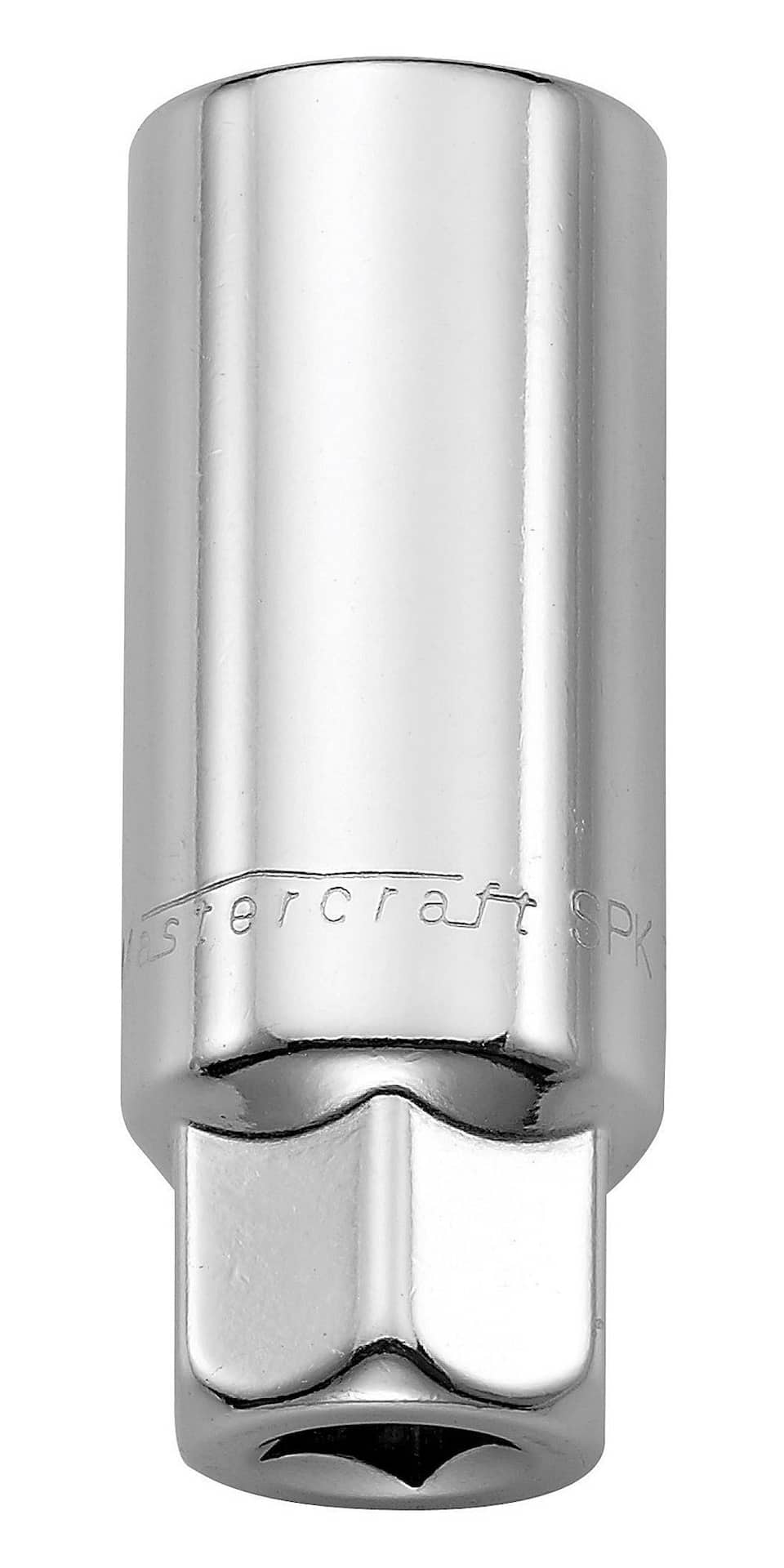
Choosing the correct socket set is crucial for removing and installing spark plugs without damage. A 5/8-inch or 13/16-inch socket is most common, but some engines require different sizes, so check your vehicle’s manual first.
Look for socket sets that include a rubber insert or magnetic feature. These hold the spark plug securely during removal and installation, preventing it from dropping and cracking.
- Deep sockets:Ideal for recessed spark plugs, providing better access.
- Impact sockets:Useful if your plugs are stuck, but use carefully to avoid damage.
- Flexible extension bars:Help reach plugs located deep inside the engine bay.
Have you ever struggled with a spark plug that just wouldn’t budge? Using the right socket can save you frustration and money on repairs.
Additional Helpful Tools
Besides the socket set, a few other tools make spark plug maintenance smoother and safer. A torque wrench is essential to tighten plugs to the manufacturer’s specifications without overdoing it.
Consider a spark plug gap tool to measure and adjust the gap precisely. Incorrect gaps can cause poor engine performance or misfires.
- Anti-seize lubricant:Prevents threads from sticking, easing future removal.
- Compressed air or a small brush:Helps clean the spark plug hole before removal, avoiding debris falling into the engine.
- Dielectric grease:Applied to the spark plug boot, it prevents moisture and ensures a strong electrical connection.
Do you find yourself guessing how tight to set your spark plugs? A torque wrench takes all the guesswork out and protects your engine’s health. Investing in these tools will not only save you time but also extend the life of your spark plugs and engine.
Credit: www.canadiantire.ca
Frequently Asked Questions
What Size Socket Fits Most Spark Plugs?
The most common spark plug socket size is 5/8 inch (16mm). Some spark plugs may require 13/16 inch (21mm). Always check your vehicle’s manual for the exact size before starting any work.
Can I Use A Regular Socket For Spark Plugs?
It is not recommended to use a regular socket. Spark plug sockets have a rubber insert or magnetic core. This protects the plug and helps with easy removal and installation.
How Do I Measure The Spark Plug Socket Size?
Measure the hexagonal part of the spark plug with a caliper or ruler. The measurement is usually in millimeters or inches. Use the matching socket size for a secure fit and proper torque application.
Why Are Spark Plug Sockets Different From Regular Sockets?
Spark plug sockets have a rubber insert or magnetic feature. This prevents damage to the ceramic insulator of the plug. They also provide a better grip for easier installation and removal in tight engine spaces.
Conclusion
Choosing the right socket size makes spark plug changes easier. Most spark plugs need a 5/8-inch or 13/16-inch socket. Using the correct size prevents damage and saves time. Always check your vehicle’s manual before starting work. The right tool helps you finish the job safely.
Keep your engine running smooth with proper maintenance. Simple steps lead to better car care. Knowing the socket size is a small but important detail. It helps you avoid common mistakes and frustration. Easy and correct work makes your car last longer.





