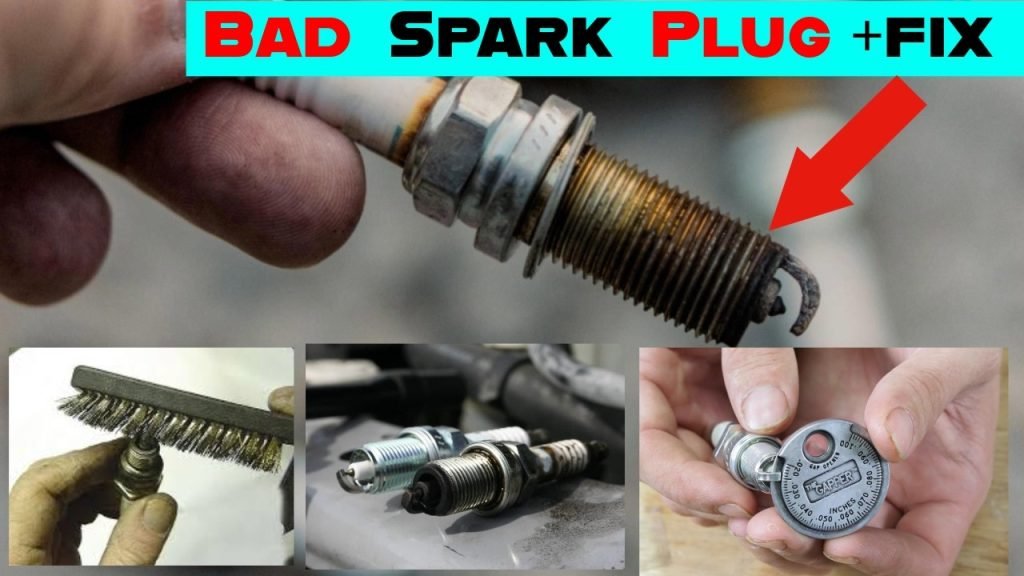
Have you ever wondered why your car’s engine isn’t running as smoothly as it used to? Or perhaps you’re noticing a dip in your vehicle’s fuel efficiency?
The culprit could be something as small, yet as crucial, as your spark plugs. Yes, those tiny components that ignite the fuel-air mixture in your engine can indeed go bad. But how can you tell when it’s time for a replacement?
And what happens if you ignore the warning signs? Understanding the role of spark plugs in your car’s performance can save you from unexpected breakdowns and costly repairs. Dive into this article to discover the signs of failing spark plugs and how you can keep your vehicle running at its best. Your car’s health—and your wallet—will thank you.
How Spark Plugs Work
Spark plugs play a vital role in car engines. They create sparks that ignite the fuel-air mix. This ignition powers the engine and keeps the car running smoothly.
Understanding how spark plugs work helps to know why they can go bad. Each spark plug has parts that work together to create the spark. This section breaks down the process clearly.
Basic Components Of A Spark Plug
- Central Electrode: The main part that sends the spark.
- Insulator: Surrounds the central electrode to prevent electrical leaks.
- Ground Electrode: Positioned near the central electrode to form the spark gap.
- Metal Shell: Screws into the engine cylinder head for stability.
Creating The Spark
The ignition system sends high voltage to the spark plug. This voltage jumps across the gap between the central and ground electrodes. The jump creates a spark that ignites the fuel-air mixture.
Ignition Process In The Engine
The spark ignites the air and fuel inside the engine cylinder. This explosion pushes the piston down. The piston’s movement powers the engine’s crankshaft.
Importance Of Spark Plug Gap
The gap between electrodes must be precise. Too wide or too narrow gaps cause weak or no sparks. Proper gaps ensure efficient ignition and smooth engine running.

Credit: www.reddit.com
Common Causes Of Spark Plug Failure
Spark plugs play a crucial role in your engine’s performance. They ignite the air-fuel mixture inside the cylinders. Over time, spark plugs can fail and cause engine problems. Understanding common causes of spark plug failure helps you keep your car running smoothly.
Several factors can lead to spark plug damage. These factors affect how well the spark plug fires and the overall engine efficiency. Knowing these causes makes it easier to spot issues early and replace spark plugs on time.
Overheating
Excessive heat damages the spark plug’s metal parts. High engine temperatures cause the electrode to wear out faster. Overheating often results from incorrect spark plug heat range or engine problems.
Carbon Fouling
Carbon buildup on the spark plug tip blocks the spark. This happens when the engine runs too rich or oil leaks into the combustion chamber. Carbon fouling reduces engine power and causes rough idling.
Oil Contamination
Oil on spark plugs prevents proper sparking. Oil leaks from worn piston rings or valve seals cause this issue. Oil contamination leads to misfires and poor fuel economy.
Physical Damage
Cracks or chips on the spark plug can stop it from working. Damage may occur during installation or due to engine vibration. Physical damage requires immediate spark plug replacement.
Incorrect Gap
The gap between electrodes must be precise. A gap too wide or narrow affects spark strength. Wrong gap settings cause weak sparks and engine misfires.
Warning Signs Of Bad Spark Plugs
Identifying bad spark plugs early can save you from costly repairs and unexpected breakdowns. Spark plugs play a crucial role in igniting the air-fuel mixture in your engine. When they start to fail, your vehicle will show clear warning signs that you shouldn’t ignore.
Engine Misfires
Have you noticed your engine jerking or hesitating during acceleration? This could be a sign of spark plugs misfiring. When spark plugs wear out, they can’t ignite the fuel properly, causing the engine to skip or misfire.
This not only affects performance but can also damage other engine components over time. If your car stutters or vibrates unexpectedly, checking the spark plugs should be one of your first steps.
Poor Fuel Economy
Are you filling up your gas tank more often than usual? Bad spark plugs can reduce fuel efficiency because they don’t burn fuel as effectively. This means your engine has to work harder, consuming more fuel to deliver the same power.
Tracking your mileage can help you spot this issue early. If your fuel economy drops suddenly without a clear reason, it’s time to inspect those spark plugs.
Difficulty Starting
Struggling to start your car in the morning or after it’s been parked? Faulty spark plugs can cause hard starts or even prevent the engine from starting at all. They fail to produce the spark needed to ignite the fuel mixture.
Don’t wait until you’re stranded—if you notice your engine cranking longer than usual, consider having your spark plugs checked immediately.
Rough Idling
Is your engine shaking or making unusual noises when idling? Rough idling often signals that the spark plugs are not firing smoothly. This can create a bumpy, uneven engine sound and feel.
Pay attention to how your car behaves when stopped at lights or in traffic. If the engine feels rough or unstable, worn spark plugs might be the culprit.
Lack Of Acceleration
Does your vehicle feel sluggish when you press the gas pedal? A drop in acceleration performance is a common symptom of bad spark plugs. When they don’t spark properly, the engine can’t generate power efficiently.
Think about whether your car responds slower than it used to. If acceleration feels weak, replacing the spark plugs might restore the power you need.
Inspecting Spark Plugs
Inspecting your spark plugs is a crucial part of car maintenance that can save you from unexpected engine troubles. By regularly checking your spark plugs, you can spot early signs of wear or damage before they affect your vehicle’s performance. Let’s look at some practical ways to inspect spark plugs effectively.
Visual Check
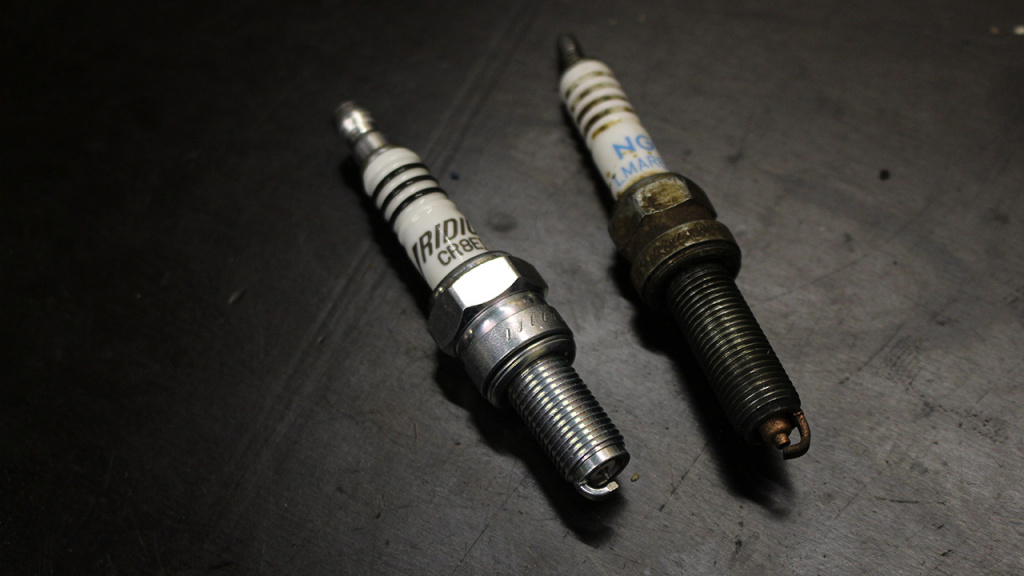
Start by removing the spark plug and examining it closely. Look for cracks, chips, or any physical damage on the ceramic insulator. A healthy spark plug usually has a light tan or grayish color on the electrode; any black soot or oily residue can indicate problems.
Have you noticed your car misfiring or struggling to start? This visual check might reveal why. Even small damage can cause big issues in your engine’s firing process.
Measuring Electrode Wear
Electrode wear can cause poor spark and reduce engine efficiency. Use a feeler gauge to measure the gap between the center and ground electrodes. Compare this measurement to the specifications in your vehicle’s manual.
If the gap is too wide or too narrow, it affects the spark strength. Adjusting or replacing the spark plug based on this measurement can improve your car’s fuel economy and smoothness.
Checking For Deposits
Deposits on spark plugs tell a story about your engine’s health. Carbon deposits usually indicate a rich fuel mixture or poor combustion. Oil deposits might mean worn piston rings or valve guides.
Cleaning minor deposits can sometimes help, but heavy buildup often means it’s time for a new plug. What kind of deposits do you see on your spark plugs? Identifying them can point you toward the right fix.
When To Replace Spark Plugs
Knowing when to replace your spark plugs is key to keeping your engine running smoothly. Spark plugs wear out over time, and ignoring their condition can lead to poor performance or even engine damage. Let’s look at clear signs and guidelines to help you decide the right time for a replacement.
Manufacturer Recommendations
Your vehicle’s manual is the best source for spark plug replacement intervals. Manufacturers test their engines extensively and provide specific mileage or time frames to swap out spark plugs.
Some modern cars use iridium or platinum plugs that last longer—up to 100,000 miles—while older models might require changes every 30,000 miles. Trust these guidelines because they balance performance and cost-effectiveness.
Performance Symptoms
Has your car been misfiring or hesitating during acceleration? These are classic signs that your spark plugs might be failing.
Other symptoms include:
- Rough idling or difficulty starting
- Decreased fuel efficiency
- Engine knocking or pinging noises
If you notice any of these, don’t wait. Replacing spark plugs can instantly improve how your car drives and save you from bigger repair bills.
Mileage Milestones
Even without obvious symptoms, spark plugs have a natural lifespan. Many mechanics suggest checking or changing them every 30,000 to 50,000 miles for standard plugs.
If you mostly drive in stop-and-go traffic or harsh conditions, consider inspecting them more often. Think about your driving habits—do you mainly commute on highways, or are you stuck in city traffic? This affects wear and tear.
Have you checked your spark plugs lately? A quick look can reveal if it’s time for a change before problems start.
Credit: finntrail.com
Expert Tips For Spark Plug Maintenance
Maintaining spark plugs is key to your engine’s smooth performance. Experts suggest focusing on the right spark plugs, correct installation, and a steady maintenance routine. These steps help avoid engine problems and improve fuel efficiency.
Choosing The Right Spark Plugs
Select spark plugs that match your vehicle’s make and model. Check the owner’s manual for recommended types and heat ranges. Use plugs designed for your engine’s fuel system and driving conditions. Choosing quality spark plugs ensures better ignition and longer life.
Proper Installation Techniques
Clean the spark plug hole before installation to prevent dirt entry. Tighten spark plugs to the correct torque to avoid damage. Use a torque wrench for accuracy. Apply a small amount of anti-seize compound on the threads if recommended. Proper installation helps avoid misfires and engine wear.
Regular Maintenance Schedule
Inspect spark plugs every 30,000 miles or as advised in your manual. Look for signs of wear like carbon buildup or electrode erosion. Replace spark plugs on time to maintain engine power. Keep a record of maintenance dates to stay on schedule. Regular checks keep the engine running efficiently.
Effects Of Ignoring Spark Plug Issues
Ignoring spark plug issues can lead to a chain reaction of problems that affect your vehicle’s overall performance and reliability. Spark plugs are small but crucial components that ignite the fuel-air mixture in your engine. When they start to fail, the effects ripple through your car’s systems, often catching you off guard.
Decreased Engine Performance And Fuel Efficiency
Your engine relies on spark plugs to ignite the fuel properly. When spark plugs go bad, the ignition becomes inconsistent, causing rough idling and hesitation during acceleration. You’ll notice your car uses more gas because the engine isn’t burning fuel efficiently, which means more trips to the pump and less money in your pocket.
Increased Emissions And Environmental Impact
Faulty spark plugs cause incomplete combustion, which leads to higher emissions of harmful gases. This not only harms the environment but can also make your vehicle fail emissions tests required in many areas. Have you ever wondered why your car’s exhaust smells stronger or looks darker? It might be your spark plugs acting up.
Potential Engine Damage And Costly Repairs
Ignoring spark plug problems can cause misfires that put extra strain on your engine’s components. Over time, this can lead to damage in the catalytic converter, pistons, or ignition coils. Repairing these parts is much more expensive than simply replacing worn spark plugs, so catching the issue early saves you big headaches down the road.
Unreliable Starting And Breakdown Risks
Bad spark plugs can make starting your car difficult or even impossible, especially in cold weather. Imagine being stuck in an emergency or late for an important meeting because your engine won’t turn over. Staying on top of spark plug maintenance helps avoid those frustrating and potentially dangerous situations.

Credit: www.reddit.com
Frequently Asked Questions
Can Spark Plugs Wear Out Over Time?
Yes, spark plugs degrade due to heat and electrical wear. Worn plugs cause misfires, poor fuel economy, and rough idling. Regular checks and replacements ensure engine efficiency and smooth performance.
What Are Signs Of Bad Spark Plugs?
Common signs include engine misfires, difficulty starting, poor acceleration, and increased fuel consumption. You may also notice rough idling or engine knocking. Timely replacement avoids further engine damage and keeps your car running well.
How Often Should Spark Plugs Be Replaced?
Spark plug replacement depends on the type and vehicle. Typically, replace every 30,000 to 100,000 miles. Consult your owner’s manual for exact intervals to maintain optimal engine performance and fuel efficiency.
Can Bad Spark Plugs Damage The Engine?
Yes, faulty spark plugs can cause incomplete combustion, leading to engine misfires. Prolonged issues may damage catalytic converters and reduce engine lifespan. Replacing spark plugs promptly protects your engine and saves costly repairs.
Conclusion
Spark plugs wear out over time and need attention. Bad spark plugs cause poor engine performance and lower fuel efficiency. Regular checks help spot problems early and save money. Replacing worn spark plugs keeps your car running smoothly. Don’t ignore signs like rough idling or trouble starting.
Simple maintenance prevents bigger issues down the road. Keep your vehicle healthy by watching spark plug condition. Small steps make a big difference in car care.





