
Have you ever wondered what makes your car’s engine purr to life every morning? The answer lies in a small yet mighty component called the spark plug.
Understanding what spark plugs do is crucial for anyone interested in keeping their vehicle running smoothly and efficiently. Imagine the satisfaction of knowing exactly how your car starts and why it performs at its best. You’ll discover how these tiny powerhouses ignite the fuel-air mixture in your engine, making every drive possible.
Stick around to uncover the secrets of spark plugs and empower yourself with the knowledge to maintain your car like a pro.
Role Of Spark Plugs
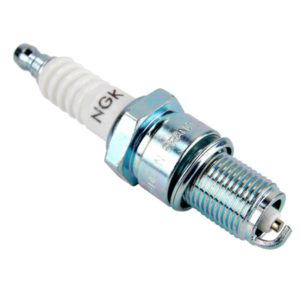
Spark plugs play a vital role in the functioning of an engine. They are small devices but have a big impact. Their main job is to create the spark that starts the engine’s power cycle. Without spark plugs, the engine cannot run smoothly or efficiently.
Ignition Process
The spark plug creates a spark that ignites the air and fuel mixture. This spark happens inside the engine’s cylinder at the right moment. It causes a small explosion that pushes the piston down. This action powers the engine and keeps the vehicle moving.
Fuel Combustion
Spark plugs ensure the fuel burns completely inside the engine. Complete combustion produces more power and less pollution. If the spark is weak or missing, fuel wastes and the engine runs poorly. Good spark plugs help the engine use fuel efficiently.
Engine Performance
Healthy spark plugs improve engine start-up and running smoothness. They reduce engine misfires, rough idling, and poor acceleration. New or well-maintained spark plugs help maintain fuel economy. They support the engine’s overall health and longevity.

Credit: beachautomotive.com
Types Of Spark Plugs
Choosing the right spark plug can make a noticeable difference in your vehicle’s performance and fuel efficiency. Different types of spark plugs offer distinct benefits, depending on your driving habits and engine requirements. Understanding these types helps you pick the one that best fits your needs and budget.
Copper Spark Plugs
Copper spark plugs are known for their excellent conductivity, which helps create a strong spark. They are usually the most affordable option and work well in older vehicles with simpler engine designs. However, copper plugs wear out faster, so you’ll need to replace them more often—typically every 20,000 to 30,000 miles.
Platinum Spark Plugs
Platinum spark plugs offer better durability compared to copper plugs. The platinum coating reduces electrode wear, allowing these plugs to last up to 60,000 miles. If you want a plug that balances cost and longevity, platinum is a solid choice for many modern engines.
Iridium Spark Plugs
Iridium spark plugs stand out for their exceptional durability and performance. The iridium tip is extremely hard, which means these plugs can last over 100,000 miles. They also provide a more consistent spark, improving fuel efficiency and engine response. If you’re looking for long-term reliability and smoother starts, iridium plugs could be worth the investment.
Signs Of Spark Plug Issues
Recognizing the signs of spark plug issues early can save you from costly repairs and keep your vehicle running smoothly. Spark plugs play a crucial role in igniting the fuel-air mixture in your engine. When they start to fail, your car won’t perform as it should, and you might notice several warning signs.
Engine Misfires
If your engine suddenly feels rough or jerky, it could be a misfire caused by faulty spark plugs. Misfires happen when the spark plugs don’t ignite the fuel properly, leading to incomplete combustion.
You might notice your car shaking, especially at idle or during acceleration. This not only affects performance but can also damage your engine over time. Have you ever felt your car hesitate or stumble on the road? That’s a clear signal to check your spark plugs.
Poor Fuel Economy
Are you filling up your tank more often than usual? Spark plugs that aren’t working well cause your engine to burn more fuel.
Bad plugs lead to inefficient combustion, which means your engine needs extra fuel to maintain power. This adds up quickly in fuel costs and impacts your wallet every time you hit the pump.
Starting Problems
Struggling to start your car can be frustrating, especially when you’re in a rush. Worn or dirty spark plugs can make ignition difficult because they fail to produce the necessary spark to start the engine.
If your engine cranks longer than usual or just won’t start, don’t overlook the spark plugs. Fixing or replacing them might be the quick solution that gets you back on the road fast.
Credit: www.themotorombudsman.org
Spark Plug Maintenance
Keeping your spark plugs in good shape is key to maintaining your vehicle’s performance. Regular maintenance helps avoid engine misfires, poor fuel economy, and rough starts. Understanding how to care for your spark plugs can save you time and money while ensuring your engine runs smoothly.
Replacement Intervals
Most spark plugs need replacing every 30,000 to 100,000 miles, depending on the type and your vehicle’s specifications. Check your owner’s manual to find the exact interval for your car. Ignoring this can lead to decreased engine efficiency and potential damage.
Have you noticed your engine hesitating or struggling to start? It might be time to swap out those old spark plugs. Keeping track of mileage and any driving issues helps you decide the right moment to replace them.
Cleaning Tips
If your spark plugs aren’t too worn out, cleaning them can extend their life. Use a wire brush or specialized spark plug cleaner to remove carbon deposits and dirt. Avoid abrasive tools that can damage the electrode or ceramic insulator.
- Remove the plug carefully to avoid damaging the threads.
- Inspect for cracks or heavy wear before cleaning.
- Dry the plug thoroughly before reinstalling.
Cleaning can improve your engine’s performance, but only if the plugs are still in good condition. Otherwise, a replacement is often a better choice.
Choosing The Right Spark Plug
Not all spark plugs are created equal, and selecting the right one is crucial. Factors like heat range, material (copper, platinum, iridium), and size affect how well your engine runs. Using the wrong type can cause poor combustion and increased wear.
Consult your vehicle’s manual or a trusted mechanic to pick the correct spark plug. Sometimes, upgrading to a higher-quality plug can improve fuel efficiency and engine responsiveness.
What kind of spark plug does your car actually need? Choosing wisely can make a noticeable difference in your driving experience.
Impact On Vehicle Efficiency
Spark plugs play a key role in how well a vehicle runs. Their condition directly affects the engine’s performance and efficiency. Clean and properly working spark plugs help the engine burn fuel better. This leads to better fuel use, lower emissions, and longer engine life.
Fuel Consumption
Good spark plugs create strong sparks that ignite the fuel-air mix fully. This means the engine uses less fuel for the same power. Worn or dirty spark plugs cause weak sparks. The engine burns fuel unevenly, wasting gas and reducing mileage. Replacing spark plugs on time saves fuel costs and keeps your car running smoothly.
Emissions Control
Efficient spark plugs help burn fuel completely. Complete burning lowers harmful gases in the exhaust. Old or faulty spark plugs cause incomplete combustion. This increases pollutants like carbon monoxide and hydrocarbons. Clean spark plugs reduce emissions and help meet environmental rules. They also keep the catalytic converter working well.
Engine Longevity
Proper spark plugs reduce engine stress. They help the engine run smoothly without misfires or rough idling. Misfires can damage engine parts over time. Spark plugs in good condition prevent this damage. Regular spark plug checks and changes protect the engine and extend its life.

Credit: www.underhoodservice.com
Frequently Asked Questions
What Do Spark Plugs Do In An Engine?
Spark plugs ignite the air-fuel mixture inside the engine cylinders. They create a small spark to start combustion. This process powers the engine and keeps the vehicle running smoothly.
How Often Should Spark Plugs Be Replaced?
Spark plugs typically last between 30,000 to 100,000 miles. Replacement depends on vehicle type and driving conditions. Regular inspection ensures optimal engine performance and fuel efficiency.
What Happens If Spark Plugs Fail?
Failed spark plugs cause engine misfires, poor fuel economy, and rough idling. They can also lead to difficulty starting the engine. Timely replacement prevents damage and maintains smooth operation.
Can Spark Plugs Affect Fuel Efficiency?
Yes, worn spark plugs reduce combustion efficiency. This leads to higher fuel consumption and increased emissions. Replacing spark plugs improves engine performance and saves fuel costs.
Conclusion
Spark plugs play a key role in your vehicle’s engine. They create the spark that starts the fuel burning. Good spark plugs help your engine run smoothly and save fuel. Worn or dirty plugs can cause problems like rough idling or poor mileage.
Check them regularly to keep your car in good shape. Understanding spark plugs helps you care for your vehicle better. Simple maintenance can avoid costly repairs later. Keep your engine healthy with clean, working spark plugs.





