Have you ever wondered if the type of spark plugs in your car could be the secret ingredient to unlocking better performance? You might be surprised to learn that the material of your spark plugs can play a significant role in how your vehicle runs.
Whether you’re a car enthusiast looking to fine-tune your ride or someone who simply wants to get the most out of their daily commute, understanding the impact of different spark plug materials could be the key to enhancing your driving experience.
We’ll explore how varying materials can affect your car’s performance, efficiency, and even longevity. So, if you’re curious about how to rev up your engine’s potential, keep reading to discover which spark plug might be the best fit for your needs!
Credit: dsportmag.com
Types Of Spark Plug Materials
Spark plugs come in different materials that affect their performance and lifespan. Each material offers unique benefits and suits various engine types. Understanding these materials helps in choosing the best spark plug for your vehicle.
Copper Spark Plugs
Copper spark plugs have a solid copper core. They provide excellent conductivity for strong sparks. Copper plugs are the most affordable option. They wear out faster than other types. Ideal for older cars and engines needing high heat dissipation.
Platinum Spark Plugs
Platinum spark plugs feature a platinum disc on the electrode. They last longer than copper plugs. Platinum improves durability and reduces electrode wear. Suitable for newer cars with electronic ignition systems. They offer better performance and fuel efficiency.
Iridium Spark Plugs
Iridium spark plugs use a very hard metal on the electrode tip. Iridium lasts longer than platinum and copper. They create a more focused spark for better combustion. Iridium plugs improve engine start and reduce misfires. Ideal for high-performance and modern engines.
Double Platinum And Iridium
Double platinum spark plugs have platinum on both electrodes. This design extends the plug’s life and stability. Double iridium plugs combine durability and strong spark. They perform well in waste spark ignition systems. These plugs offer long service life and reliable performance.
How Spark Plug Materials Impact Performance
The material of your spark plugs plays a crucial role in how your engine performs. Different metals can change how well your engine ignites fuel, how long the plugs last, and even how efficiently your car uses fuel. Understanding these differences helps you choose the right spark plugs and get the best out of your vehicle.
Ignition Efficiency
Materials like iridium and platinum have finer tips, which require less voltage to create a spark. This means your engine fires more reliably and smoothly. You might notice quicker starts and better throttle response, especially in colder weather or high-performance engines.
On the other hand, standard copper plugs have thicker electrodes, which can demand more power and may misfire under heavy loads. Have you ever felt hesitation when accelerating? The spark plug material could be the culprit.
Durability And Longevity
Iridium spark plugs often last twice as long as copper ones. Their hard, wear-resistant surface withstands erosion and burning better. This means fewer replacements and less maintenance for you.
Platinum plugs also offer good durability but may not last as long as iridium. Copper plugs wear out faster, meaning you’ll replace them more often, increasing your maintenance costs and downtime.
Heat Dissipation
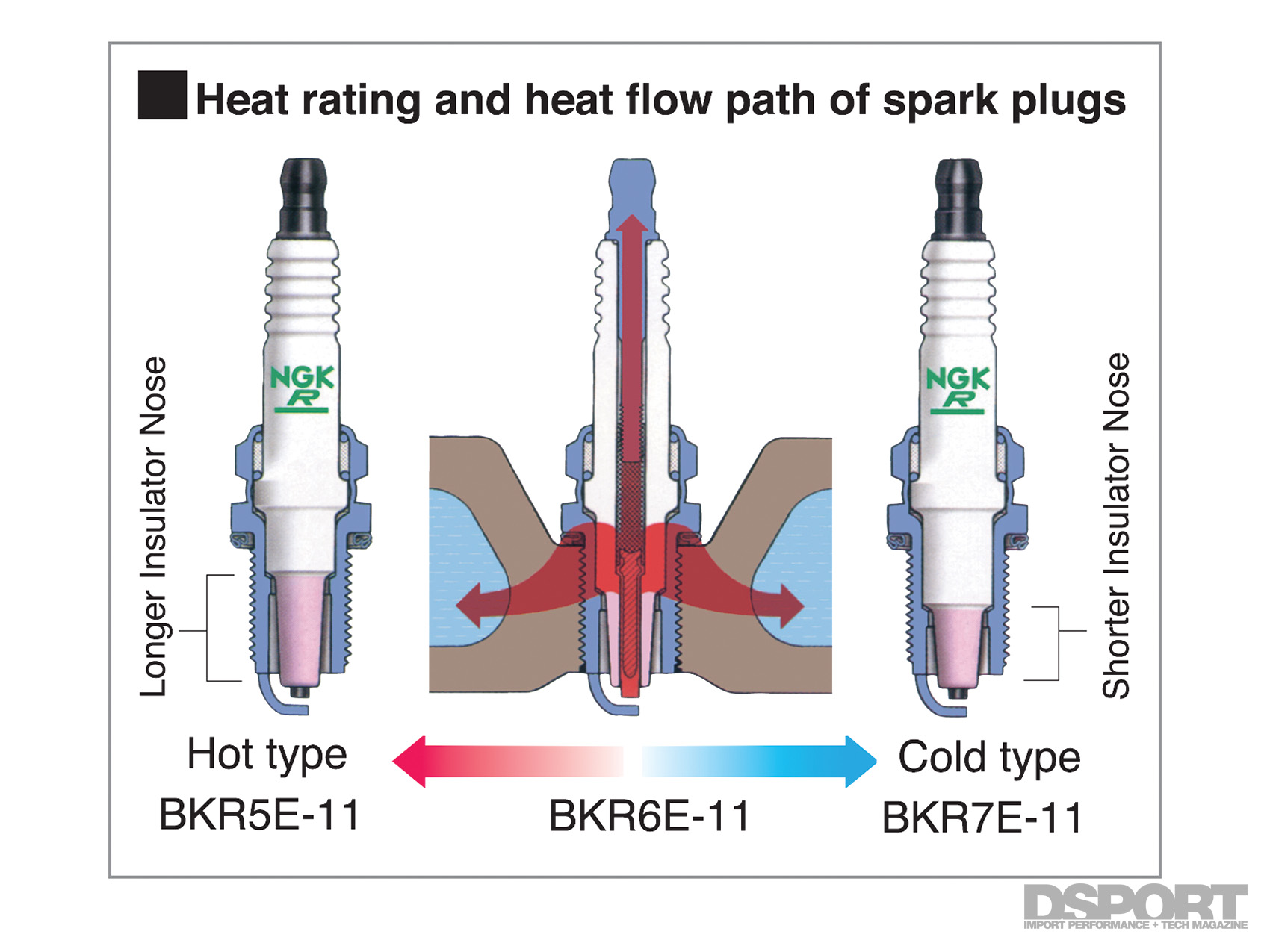
Different materials handle heat differently, affecting engine temperature. Copper spark plugs excel at conducting heat away from the tip, helping prevent overheating in high-performance or heavy-duty engines.
Iridium and platinum plugs dissipate heat more slowly, which can keep the spark stable at high temperatures. However, if your engine runs too hot, these plugs might not cool down fast enough, potentially leading to pre-ignition or knocking.
Fuel Economy
Efficient ignition from iridium and platinum plugs can improve fuel combustion, meaning your engine burns fuel more completely. This usually leads to better mileage and fewer emissions.
Copper plugs, while cheaper, might cause incomplete combustion, wasting fuel and reducing efficiency. Considering the balance between upfront cost and long-term savings is key—what matters more to you: immediate savings or better fuel economy over time?
Choosing Spark Plugs For Different Engines
Choosing the right spark plug material depends heavily on the type of engine you have. Each engine demands specific qualities from its spark plugs to ensure efficient combustion and long-lasting performance. Understanding these needs can help you select spark plugs that keep your engine running smoothly and save you money on repairs.
Performance Cars
Performance engines require spark plugs that can handle higher temperatures and deliver consistent sparks under extreme conditions. Iridium and platinum plugs are often the best choices here because they resist wear and maintain strong ignition over time.
If you drive a sports car or a tuned vehicle, you might notice better throttle response and smoother acceleration with these materials. Have you ever felt your engine hesitate during a hard acceleration? Switching to high-quality iridium plugs could fix that.
Daily Commuters
For daily drivers, reliability and cost-effectiveness are key. Copper spark plugs are a solid choice since they provide excellent conductivity and are budget-friendly. However, they wear out faster than their platinum or iridium counterparts.
Think about how often you drive and your maintenance schedule. If you prefer fewer trips to the mechanic, spending a bit more on platinum plugs might be worth it. Do you want to balance cost and durability? Choose plugs that match your driving habits.
High Mileage Vehicles
Engines with high mileage need spark plugs that reduce fouling and maintain performance despite wear. Platinum and iridium spark plugs shine here by resisting deposits and lasting longer than copper options.
When my older car started misfiring, switching to iridium plugs extended its life noticeably. Would you like to stretch your engine’s lifespan without major repairs? Consider upgrading your plugs as part of regular maintenance.
Motorcycles And Small Engines
Smaller engines, like those in motorcycles and lawn equipment, benefit from spark plugs that provide quick ignition and easy starts. Copper plugs are commonly used due to their excellent electrical conductivity and affordability.
Yet, if you ride frequently or have a high-performance bike, iridium plugs offer better durability and consistent sparks. How often do you tune or maintain your small engine? Picking the right plug can reduce your hassle and improve performance.
Installation And Maintenance Tips
Proper installation and regular maintenance of spark plugs are essential for optimal engine performance. Choosing the right material for your spark plugs can affect how you handle these tasks. Following correct procedures helps prevent engine problems and extends spark plug life.
Gap Settings
Correct gap settings ensure efficient combustion and smooth engine operation. Check your vehicle’s manual for the recommended gap size. Use a gap tool to measure and adjust the gap carefully. Too wide or too narrow gaps can cause misfires and poor fuel economy.
Torque Specifications
Applying the right torque prevents damage and ensures a secure fit. Tighten spark plugs with a torque wrench to the manufacturer’s specifications. Over-tightening can crack the plug or damage the threads. Under-tightening may cause poor contact and engine issues.
Cleaning And Inspection
Inspect spark plugs regularly for wear and deposits. Clean them gently with a wire brush or spark plug cleaner if they are dirty. Avoid harsh chemicals that can damage the electrode. Look for cracks, corrosion, or burnt electrodes as signs of replacement.
When To Replace
Replace spark plugs based on mileage or engine performance. Worn or damaged plugs reduce power and increase fuel consumption. Follow the replacement intervals in your owner’s manual. Early replacement can avoid costly repairs and keep the engine running smoothly.
Common Myths About Spark Plug Materials
Spark plug materials spark many ideas and stories. Some are true, many are not. Knowing facts helps pick the right spark plug for your car. Let’s clear up common myths about spark plug materials.
More Expensive Always Means Better
Price does not always equal quality. Some costly spark plugs may not suit your engine. Expensive does not guarantee longer life or improved performance. The best spark plug depends on your car’s needs, not price.
One Size Fits All
Different engines need different spark plugs. Using one type for all cars can cause problems. Heat range, electrode design, and material matter. Choosing a plug made for your specific engine is key.
Material Alone Boosts Horsepower
Spark plug material affects durability and heat resistance. It does not directly increase horsepower. Performance depends more on the engine and tuning. Good plugs help the engine run smoothly but do not add extra power alone.

Credit: www.ridgelineownersclub.com
Cost Vs. Performance: What To Expect
Balancing cost and performance is crucial when choosing spark plugs. Different materials come with varying price tags, but how much of that cost translates into real performance benefits? Understanding what to expect financially and practically can help you make a smarter choice for your vehicle.
Initial Investment
Material type heavily influences the upfront cost of spark plugs. Copper plugs are usually the cheapest but wear out faster. Iridium and platinum plugs cost more but promise longer life and better durability.
Think about how often you want to replace your spark plugs. Paying more initially might save you hassle and money down the road. Have you considered how much time and effort replacement takes?
Long-term Savings
Higher-quality spark plugs can reduce maintenance frequency. Iridium plugs, for example, can last up to 60,000 miles or more, cutting down replacement costs over time. This means fewer trips to the mechanic and less money spent on parts and labor.
However, if you drive less or have an older car, the savings may be less noticeable. Are you factoring in your driving habits when evaluating long-term value?
Performance Gains
Better materials offer improved ignition and combustion efficiency. Iridium plugs provide a stronger spark, which can lead to smoother starts and better fuel economy. Some users notice enhanced throttle response and reduced misfires.
That said, the performance jump might be subtle if your engine is older or not tuned for high-performance parts. Would a slight increase in power or efficiency justify the extra cost for you?
Real-world User Experiences
Real-world experiences offer valuable insights into how different spark plug materials affect vehicle performance. Users share their honest opinions and outcomes. This feedback often reveals practical benefits and drawbacks not found in technical specs.
Many drivers notice changes in engine smoothness, fuel efficiency, and starting reliability after switching spark plug types. These observations help others make informed choices based on actual use rather than just theory.
Testimonials And Reviews
- Users report iridium plugs last longer and provide a steadier idle.
- Some mention platinum plugs improve fuel economy on older cars.
- Others say copper plugs offer better throttle response but wear out faster.
- Reviewers often highlight better cold starts with high-quality spark plugs.
- Feedback includes both positive and negative experiences for each material.
Track Tests And Results
Racers and track enthusiasts test spark plugs under intense conditions. They measure lap times, acceleration, and engine temperature.
- Iridium plugs often maintain performance longer on the track.
- Copper plugs sometimes boost initial power but degrade quickly.
- Platinum plugs provide consistent performance in endurance races.
- Test data shows small but noticeable differences in lap times.
Mechanic Recommendations
Mechanics suggest spark plug choices based on engine type and driving habits. They consider wear rates and maintenance needs.
- Iridium plugs recommended for modern engines requiring durability.
- Platinum plugs advised for balanced performance and lifespan.
- Copper plugs best for older or classic cars with higher voltage needs.
- Mechanics stress matching plugs to manufacturer specifications.
- Regular inspection and replacement remain crucial for peak performance.
Credit: www.westsideauto.com.au
Frequently Asked Questions
Do Different Spark Plug Materials Improve Engine Performance?
Yes, spark plug materials impact engine performance by affecting ignition efficiency and durability. Iridium and platinum plugs offer better spark and last longer than copper, enhancing combustion and fuel efficiency.
How Does Spark Plug Material Affect Fuel Economy?
Spark plug materials like iridium provide a more consistent spark, improving combustion. This leads to better fuel efficiency compared to standard copper plugs, reducing fuel consumption over time.
Are Iridium Spark Plugs Better Than Copper Ones?
Iridium spark plugs last longer and produce stronger sparks than copper plugs. They improve ignition reliability and engine performance but come at a higher cost.
Can Spark Plug Material Influence Engine Lifespan?
Yes, durable materials like platinum and iridium resist wear and reduce misfires. This protects the engine and extends its overall lifespan compared to using standard copper plugs.
Conclusion
Different spark plug materials can change how your engine runs. Some materials last longer, while others help your car start easier. Choosing the right spark plug depends on your car and driving style. Regular checks and replacements keep your engine healthy.
Small changes in spark plug type can improve fuel use and power. Think about what suits your needs best. This way, you get better performance and avoid problems. Spark plugs matter more than you might think.





