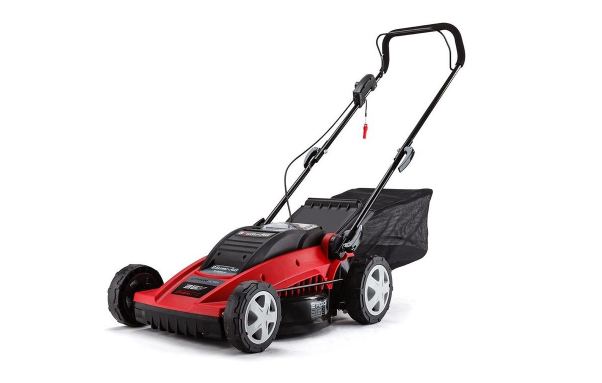
Imagine stepping into your garage, ready to tackle the weekend yard work. As you reach for your trusty electric lawn mower, a thought crosses your mind: do electric lawn mowers need oil?
This seemingly simple question often leaves many homeowners puzzled. After all, you’ve always known that traditional gas-powered mowers require oil to function smoothly. But what about their electric counterparts? We’ll unravel this mystery for you. By the end, you’ll have a clear understanding of how to maintain your electric lawn mower for optimal performance.
Keep reading to discover the surprising truth about electric lawn mower maintenance that could save you time, effort, and money.
Electric Lawn Mower Basics
Understanding the basics of electric lawn mowers can help you maintain your equipment better and answer common questions like whether these machines need oil. Electric lawn mowers are quite different from gas-powered ones, especially in their maintenance needs. Knowing how they work and the types available will give you clearer insights into their care.
Types Of Electric Lawn Mowers
Electric lawn mowers mainly come in two types: corded and cordless. Corded models require a power outlet and are great for smaller yards because you are limited by the length of the cord. Cordless mowers, on the other hand, use rechargeable batteries, offering more freedom of movement but needing you to monitor battery life carefully.
Choosing between these depends on your lawn size and how much convenience you want. Have you ever struggled with a cord getting tangled during mowing? Cordless might save you that hassle.
How Electric Motors Work
Electric lawn mowers use electric motors instead of gas engines. These motors run on electricity supplied either by a cord or a battery. Unlike gas engines, electric motors don’t have many moving parts that need oil to reduce friction.
This means you won’t have to worry about changing oil like you do with gas mowers. The simplicity of electric motors makes maintenance easier and often less expensive. Have you checked your mower’s manual to see if it mentions oil requirements? Most electric models don’t need it at all.

Credit: www.nytimes.com
Oil And Lawn Mowers
Oil plays a key role in the maintenance of lawn mowers. It helps machines run smoothly and last longer. This section explains how oil works in lawn mowers and why it is important.
Role Of Oil In Gas Lawn Mowers
Gas lawn mowers have engines with many moving parts. These parts rub against each other and create friction. Oil reduces this friction by creating a thin layer between parts. It also helps cool the engine by carrying heat away. Without oil, the engine parts would wear out quickly and could break. Changing oil regularly keeps the mower running well and prevents damage.
Why Oil Is Important
Oil prevents metal parts from grinding directly on each other. This lowers wear and tear on the engine. It also helps trap dirt and metal particles inside the oil, stopping them from causing damage. Oil protects the engine from rust and corrosion by coating metal surfaces. Clean oil improves fuel efficiency and reduces engine noise. Overall, oil keeps the mower working properly and extends its life.
Do Electric Lawn Mowers Need Oil?
Wondering if electric lawn mowers need oil? This is a common question among homeowners switching from gas to electric models. Understanding the maintenance differences can save you time and money while keeping your mower in top shape.
Electric Vs Gas Mower Maintenance
Gas lawn mowers require regular oil changes to keep their engines running smoothly. You need to check oil levels, replace old oil, and sometimes deal with oil leaks. This maintenance is essential because the engine parts rely on oil for lubrication and cooling.
Electric mowers, on the other hand, have electric motors instead of combustion engines. These motors don’t have the same moving parts that need oiling. This means you don’t have to worry about changing or adding oil in most electric models.
Have you noticed how much easier it is to maintain an electric mower? No oil changes, no spills, and no messy cleanup. This can be a big relief, especially if you prefer low-maintenance tools.
Oil Requirements For Electric Models
Most electric lawn mowers do not require any oil at all. Their brushless motors or sealed units are designed to operate without oil lubrication. This design reduces maintenance tasks and lets you focus on mowing rather than engine care.
However, a few electric models with small gas engines or hybrid designs might still need oil. Always check your mower’s manual to be sure. Ignoring this step could lead to damage if your mower does require oil and you skip it.
So, next time you buy or use an electric mower, ask yourself: do I want a machine that needs oil changes or one that doesn’t? Knowing this can help you make a smarter choice for your lawn care needs.
Maintaining Your Electric Lawn Mower
Maintaining your electric lawn mower ensures it runs smoothly and lasts longer. Unlike gas mowers, electric models don’t need oil changes, but they do require regular upkeep to keep them in top shape. Paying attention to a few key areas can make a big difference in performance and reliability.
Battery Care Tips
Your mower’s battery is its heart. Always charge it fully before storing it for long periods to prevent capacity loss. Avoid letting the battery drain completely during use, as this can shorten its lifespan.
Store the battery in a cool, dry place away from extreme temperatures. If your mower has a removable battery, clean the contacts regularly to maintain a good connection. Have you noticed your mower losing power faster? It might be time to check the battery health.
Blade Sharpening And Cleaning
Dull blades tear grass instead of cutting it cleanly, stressing your lawn. Sharpen the blades at least once per mowing season, or more often if you mow frequently. Use a blade sharpening tool or take it to a professional if you prefer.
After each use, clean the blade area to remove grass clippings and debris. This prevents rust and keeps the mower running efficiently. Have you checked your blade lately? A sharp blade can save you time and improve your lawn’s appearance.
Lubrication Points Other Than Oil
Electric mowers don’t need engine oil, but they still have parts that benefit from lubrication. Check the wheels and height adjustment mechanisms regularly and apply a silicone-based lubricant to keep them moving smoothly. Avoid using heavy oils that can attract dirt and grime.
Lubricate the pivot points and any exposed moving parts to prevent squeaks and wear. Keeping these areas well-oiled reduces friction and prolongs the life of your mower. What small noises has your mower started making? A little lubrication might be all it needs.
Common Myths About Electric Mower Maintenance
Many people believe electric lawn mowers need the same maintenance as gas mowers. This causes confusion about oil and other care tasks. Clearing up these myths helps keep your mower in good shape. Understanding the real needs of electric mowers saves time and money.
Oil Myths Debunked
Electric mowers do not have engines that require oil changes. They use electric motors that run without oil. Many assume oil is needed because gas mowers do. This is not true for electric models.
Ignoring this saves you from unnecessary tasks. There is no oil to check or replace. This means less mess and fewer parts to worry about. Simply charge the battery and mow.
Other Misconceptions
- Electric mowers need less overall maintenance than gas models.
- Sharpening blades regularly still matters for a clean cut.
- Battery care is crucial for good performance and long life.
- Cleaning debris after each use prevents damage and rust.
- Some believe electric mowers are weaker; many models handle tough grass well.
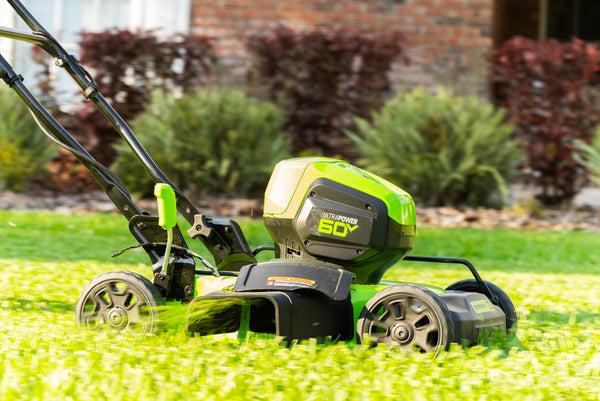
Credit: greenworkstools.eu
Choosing The Right Electric Lawn Mower
Choosing the right electric lawn mower can make lawn care easier and faster. The right model fits your yard size and mowing needs. It also saves energy and reduces maintenance tasks. Understanding key features and upkeep helps pick a mower that works best for you.
Features To Look For
- Battery Life:Longer battery life means more mowing time without recharging.
- Cutting Width:Wider cutting decks cover more grass in one pass.
- Adjustable Cutting Height:Lets you control how short or tall the grass stays.
- Weight:Lightweight mowers are easier to push and maneuver.
- Noise Level:Quieter mowers make for a peaceful mowing experience.
- Safety Features:Look for blade guards and automatic shut-off for safety.
Maintenance Considerations
- No oil changes needed, unlike gas mowers.
- Check and clean blades regularly for sharpness.
- Keep battery contacts clean for better power flow.
- Store mower in a dry place to avoid rust.
- Charge battery fully before storing for long periods.
- Inspect cables and switches to ensure proper function.
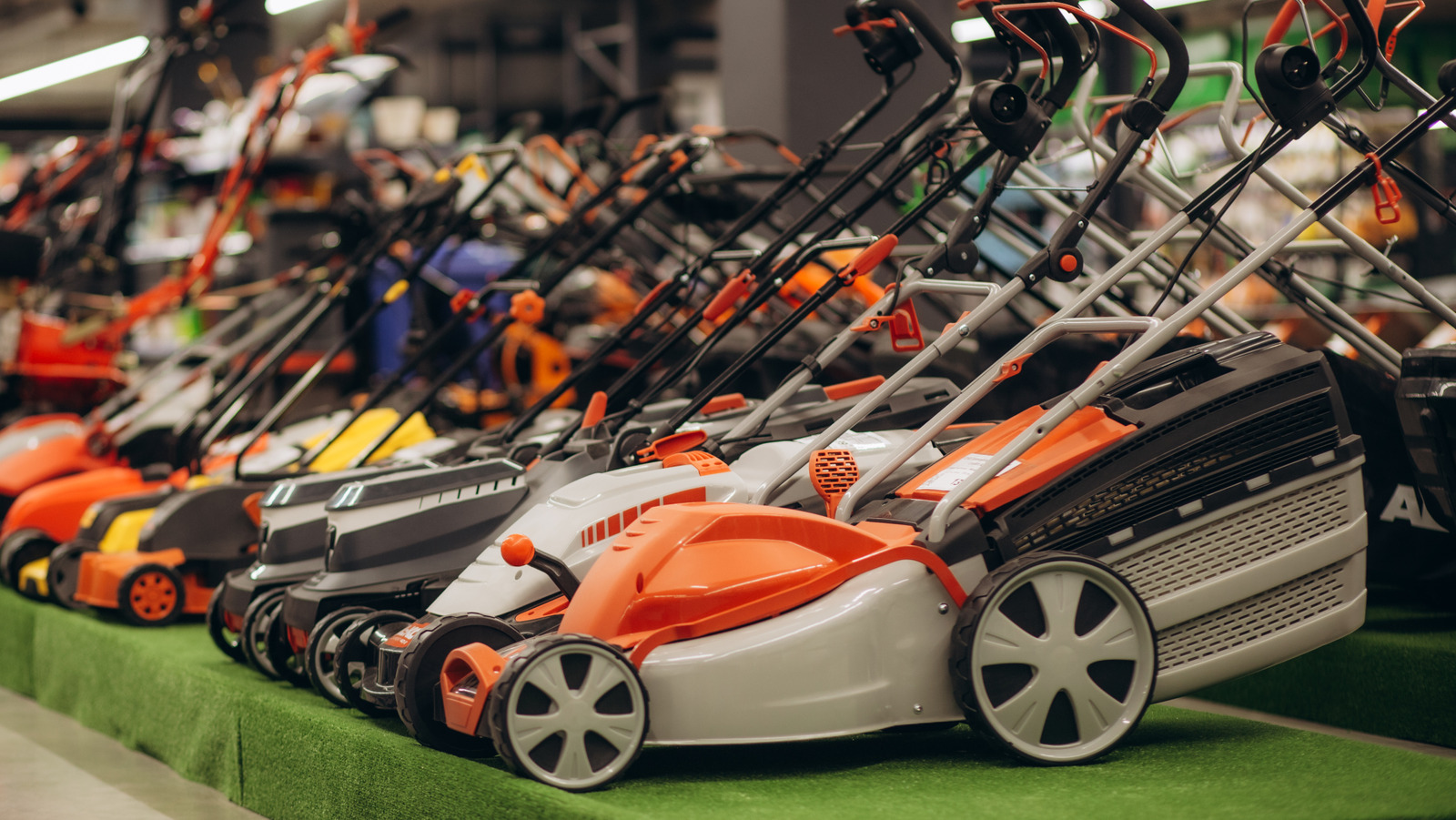
Credit: www.housedigest.com
Frequently Asked Questions
Do Electric Lawn Mowers Require Oil Changes?
No, electric lawn mowers do not need oil changes. They use electric motors that don’t require lubrication like gas engines do.
How Is An Electric Mower Motor Lubricated?
Electric mower motors are sealed and pre-lubricated at the factory. They don’t need additional oil or maintenance for lubrication.
Can Lack Of Oil Affect Electric Mower Performance?
No, lack of oil won’t affect electric mowers since they don’t use oil. Performance issues usually stem from battery or motor problems.
Should I Check Oil Levels In An Electric Mower?
No need to check oil levels in electric mowers. They operate without oil, making maintenance simpler than gas-powered models.
Conclusion
Electric lawn mowers do not need oil like gas mowers do. Their motors run on electricity, so oil is not required. This makes them easier to maintain and cleaner for the environment. Still, checking the mower’s manual helps keep it in good shape.
Remember to keep the blades sharp and the battery charged. Simple care will help your electric mower last longer. Save time and avoid extra costs by skipping oil changes. Electric mowers offer a quiet, efficient way to keep your lawn neat.





