Ever found yourself staring out the window, watching raindrops dance on your lawn, and wondering if it’s safe to mow your wet grass? You’re not alone.
Many homeowners face this dilemma, unsure whether to tackle the task or wait for sunnier days. But what if you could unlock the secret to a perfectly maintained lawn, rain or shine? The answer might just surprise you. Delve into the intricacies of mowing wet grass, and discover tips that could transform your lawn care routine.
Stick around, because by the end, you’ll have the confidence to make the right choice every time the clouds gather.
Effects Of Wet Grass On Mowing
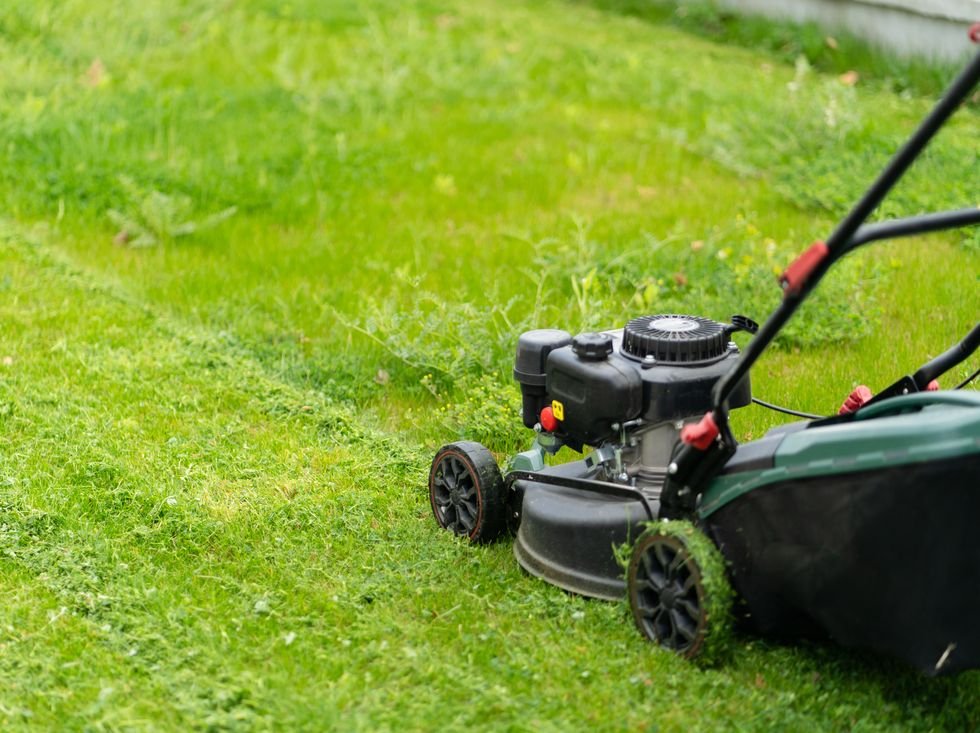
Mowing wet grass affects the cutting process and lawn care. Wet grass clumps and sticks to mower blades. This slows down mowing and makes the job harder. The mower may not cut evenly, leaving patches of tall grass behind.
Wet grass can also harm the lawn’s health. It can lead to soil compaction and damage grass roots. The moisture increases the chance of fungal diseases. These problems affect how green and healthy your lawn looks.
Safety is another concern when mowing wet grass. Wet surfaces can be slippery, increasing the risk of accidents. Electrical parts in some mowers can short circuit if wet. It is important to consider these risks before mowing wet grass.
Challenges Faced When Mowing Wet Grass
- Grass blades stick to mower deck and blades.
- Clumping of wet grass clogs mower parts.
- Uneven cutting leaves a patchy lawn.
- Mower may slip or skid on wet ground.
- More effort and time needed to finish mowing.
Impact On Lawn Health
- Soil compaction harms grass root growth.
- Wet grass cutting increases fungal infections.
- Grass blades may tear instead of clean cuts.
- Damaged grass recovers slowly and looks unhealthy.
- Standing water promotes weed growth and pests.
Safety Concerns
- Wet ground increases risk of slipping.
- Electric mowers risk short circuits on wet grass.
- Reduced mower control may cause accidents.
- Wet grass can hide obstacles and debris.
- Wear proper footwear and avoid steep slopes.
Credit: www.lawnstarter.com
Best Practices For Mowing Wet Lawns
Mowing wet grass needs care to avoid damage and ensure safety. Wet lawns can clog mowers and cause uneven cuts. Proper techniques help protect your grass and mower. Follow these best practices for mowing wet lawns.
Choosing The Right Mower
Select a mower designed to handle wet grass. Self-propelled mowers reduce effort on slippery surfaces. Lawn mowers with larger wheels improve traction. Mulching mowers cut clippings finely, preventing clumps.
A mower with a sharp blade cuts wet grass cleanly. Dull blades tear grass and cause stress. Check mower features before use on damp lawns.
Adjusting Mower Settings
Raise the cutting height to avoid scalp damage. Wet grass is heavier, so higher cutting prevents clogging. Slow down your mowing speed for better control. Use a slower speed to let the mower catch wet blades.
Empty the grass catcher often to prevent blockages. Clean mower decks after each use to avoid buildup. Keep blades sharp for smooth cuts on wet grass.
Timing Your Mowing Sessions
Choose times when grass is less wet, like late morning. Early morning dew makes grass slippery and hard to cut. Avoid mowing right after heavy rain to reduce soil damage. Check weather forecasts to plan mowing on dry days.
Shorter mowing sessions help avoid stress on both grass and mower. Frequent, gentle mowing works better than long, heavy cutting.
Techniques To Improve Mowing Results
Mowing wet grass can be tricky, but using the right techniques can drastically improve your results. Adjusting how you cut, handling clippings properly, and protecting your soil are key steps to maintain a healthy lawn even when conditions aren’t perfect. These strategies help you avoid common problems like clogging, uneven cuts, and soil damage.
Proper Cutting Height
Setting the right cutting height is crucial, especially when the grass is wet. Cutting too short can stress your lawn, making it more vulnerable to disease and pests. Keep your mower blades higher to prevent tearing the grass blades, which often happens when they are wet and more fragile.
Try raising your mower deck by at least an inch compared to dry conditions. This gives the grass a chance to recover and reduces the amount of moisture that sticks to the blades. Have you noticed how your lawn looks after mowing too short on a damp day? Adjusting height can change that.
Managing Clippings
Wet grass tends to clump together, causing clippings to stick and block your mower. To handle this, mow more frequently but in smaller sections. This prevents large piles of wet clippings that can smother your lawn and invite fungus.
Another tip is to clear the mower deck regularly during your session. This keeps airflow steady and ensures a cleaner cut. You might find it helpful to use a mower with a side discharge option to spread clippings evenly and avoid buildup.
Avoiding Soil Compaction
Walking on wet soil compacts it, which harms grass roots and slows growth. To protect your lawn, try to limit foot traffic and mower passes when the ground is soggy. Using lightweight equipment or widening your mower tires can also reduce pressure on the soil.
Have you ever noticed water pooling after mowing on soft ground? That’s a sign of compaction. Letting your lawn dry out or aerating it afterward can help restore soil health and improve future mowing conditions.
Maintenance Tips After Mowing Wet Grass
Mowing wet grass can leave your lawn mower in less than ideal condition. Moisture causes clumps of grass and dirt to stick to the blade and deck, which can lead to rust and reduced cutting efficiency. Proper maintenance after mowing wet grass helps keep your mower in peak condition and extends its lifespan.
Cleaning The Mower Blade And Deck
After cutting wet grass, clean the blade and deck immediately to prevent buildup. Use a brush or cloth to remove stuck grass clippings and mud. Avoid using water directly on the engine but a damp cloth works well for cleaning metal parts.
Have you noticed how quickly wet grass clogs your mower compared to dry? Cleaning right away stops the mess from hardening and makes your next mow easier.
Sharpening Blades Regularly
Wet grass dulls blades faster than dry grass. Dull blades tear rather than cut, stressing your lawn and machine. Sharpen the blades often to maintain a clean, even cut and reduce strain on the mower.
Try checking your blades every few mowing sessions, especially after wet conditions. Sharp blades improve cutting performance and save you time and effort.
Storing Equipment Properly
Proper storage is key after mowing wet grass. Let your mower dry completely before putting it away to prevent rust and corrosion. Store it in a dry, sheltered spot, away from moisture and dust.
Consider hanging tools or placing the mower on a raised surface to avoid contact with damp ground. Have you checked your storage area lately to ensure it’s truly dry and protected?
Alternatives To Mowing Wet Grass
Mowing wet grass often leads to clumping and uneven cuts. It can also damage your lawn mower. Exploring alternatives to mowing wet grass helps maintain a healthy lawn. These options reduce the risk of harm and keep your yard looking tidy.
Using String Trimmers
String trimmers work well on wet grass. They cut grass blades without compacting soil. Trimmers reach tight spots where mowers struggle. They prevent clogging that wet grass causes in mowers. Using a trimmer lets you control the cut height easily.
Waiting For Optimal Conditions
Patience benefits lawn care. Waiting for grass to dry improves mowing results. Dry grass cuts cleanly and spreads evenly. It also prevents mower blades from clogging. Plan your mowing schedule around dry weather. Early morning or late afternoon often works best.
Employing Mulching Techniques
Mulching cuts grass into tiny pieces. These pieces quickly decompose and nourish soil. Mulching mowers handle wet grass better than standard ones. They reduce clumping and leave a finer finish. Mulching helps maintain lawn moisture and health.
Credit: www.homesandgardens.com

Credit: www.aol.com
Frequently Asked Questions
Can Lawn Mowers Cut Wet Grass Effectively?
Lawn mowers can cut wet grass, but it’s not ideal. Wet grass clogs blades and causes uneven cuts. It’s best to mow when grass is dry for a cleaner, healthier lawn and to prevent mower damage.
Why Is Mowing Wet Grass Not Recommended?
Mowing wet grass can lead to clumping and uneven cutting. Wet grass blades stick together, causing strain on the mower. It also increases the risk of slipping and soil compaction, harming your lawn’s health.
How Does Wet Grass Affect Mower Performance?
Wet grass clogs mower blades and discharge areas, reducing cutting efficiency. It causes the mower to work harder, which can lead to engine strain. Wet conditions also increase the chance of rust and blade dullness.
What Are The Risks Of Mowing Wet Grass?
Mowing wet grass risks poor cutting, mower damage, and lawn disease spread. Wet conditions can cause soil compaction and uneven terrain, increasing slip hazards. It’s safer and more effective to wait until the grass dries.
Conclusion
Cutting wet grass can be tricky and may harm your mower. Wet grass clumps and can clog the blades quickly. It also leaves an uneven cut and damages the lawn’s health. Waiting for the grass to dry is often the best choice.
Dry grass cuts cleaner and helps your mower last longer. Remember, a well-maintained mower works better in all conditions. Keep your lawn healthy by mowing at the right time. Your grass will thank you with a neat and green look.





