Are you tired of fumbling through your toolbox, unsure which spark plug socket size you need? You’re not alone.
Many car enthusiasts and DIY mechanics find themselves puzzled when it comes to choosing the right size. But worry not; understanding what size spark plug socket to use is easier than you think. Imagine the satisfaction of effortlessly removing and replacing spark plugs, knowing you’ve got the perfect tool in your hands.
We’ll uncover the secrets behind selecting the right spark plug socket size, ensuring your next tune-up is smooth and stress-free. Ready to dive in? Let’s get started!
Spark Plug Socket Sizes
Spark plug sockets come in different sizes to fit various engine types. Choosing the right size socket is crucial for easy spark plug removal and installation. Using the wrong size can damage the spark plug or the socket.
Understanding the common sizes and measurement types helps select the correct tool. This section explains the typical spark plug socket sizes and the difference between metric and standard measurements.
Common Sizes Explained
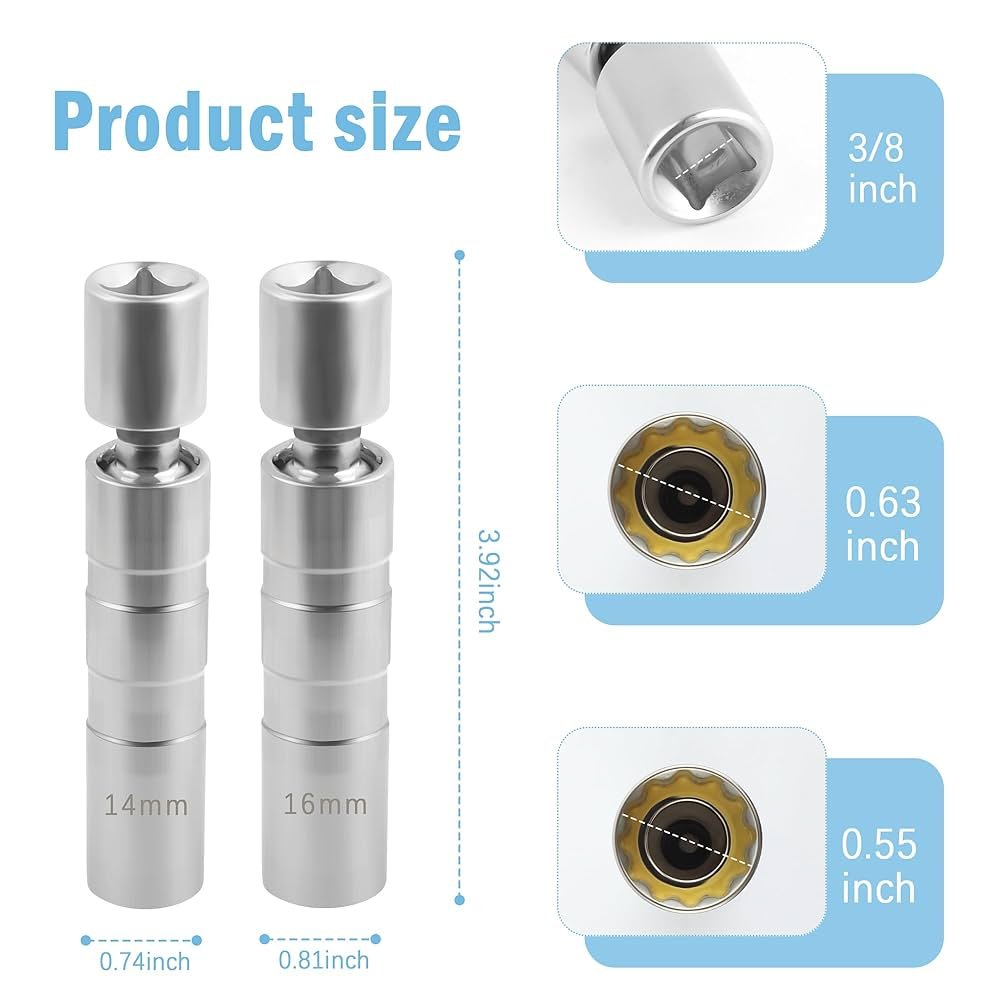
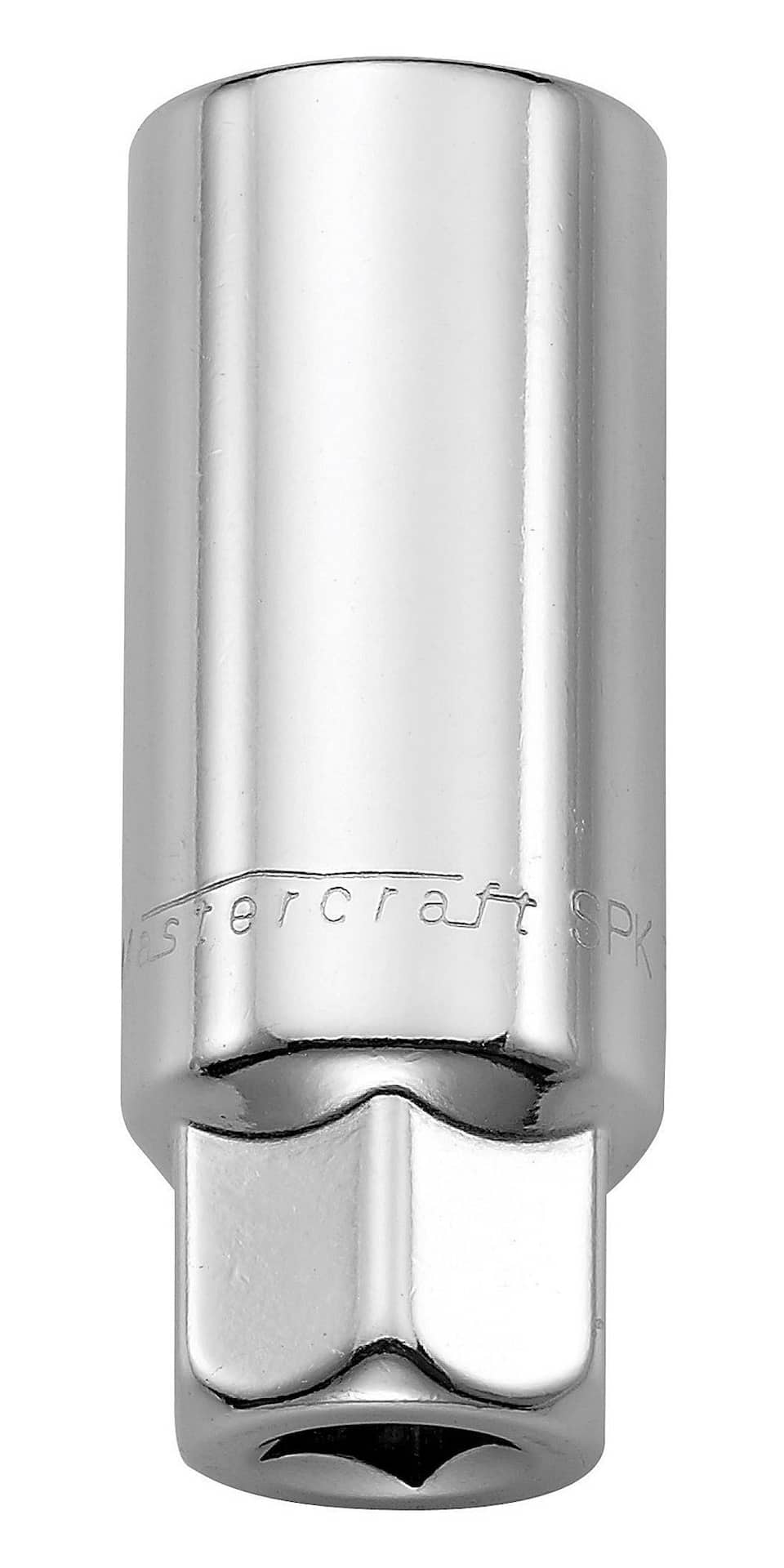
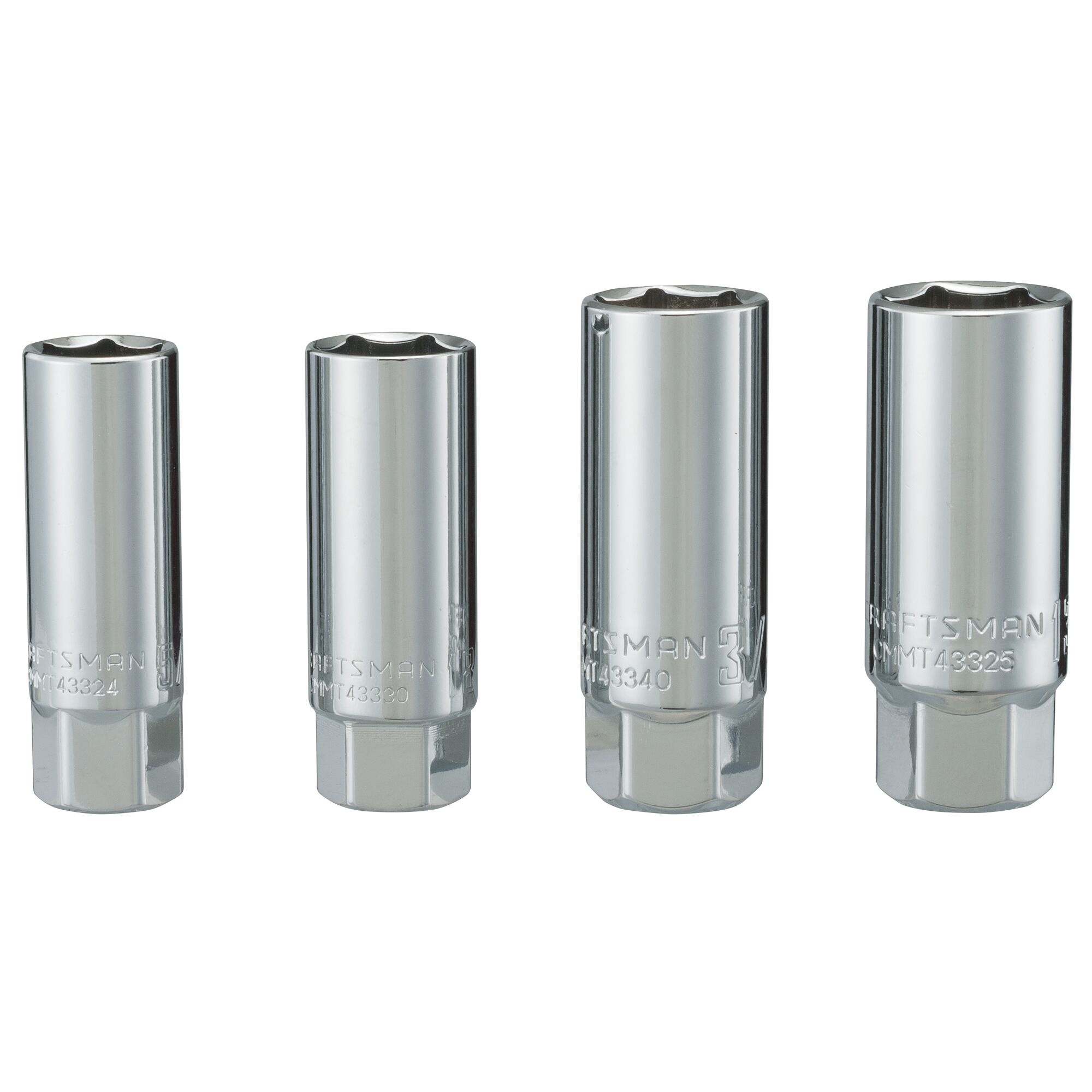
Most spark plug sockets range between 5/8 inch and 13/16 inch in size. These sizes fit the hexagonal part of the spark plug. The most common sizes include:
- 5/8 inch (16 mm) – Used for smaller engines and some cars.
- 13/16 inch (21 mm) – Fits larger spark plugs found in trucks and SUVs.
- 3/4 inch (19 mm) – Less common but still used in some vehicles.
Choosing the right size socket prevents stripping or rounding the spark plug’s hex. Many spark plug sockets come with a rubber insert or foam to hold the plug securely.
Metric Vs. Standard Measurements
Spark plug sockets are available in both metric and standard sizes. Metric sizes are measured in millimeters, while standard sizes use inches. Knowing which measurement your vehicle needs is essential.
Most Asian and European cars use metric sizes like 16 mm or 21 mm. American vehicles often use standard sizes such as 5/8 inch or 13/16 inch.
Using a metric socket on a standard spark plug, or vice versa, may cause poor fit and damage. Always check your vehicle’s manual or the spark plug itself for size details before buying a socket.
Credit: www.canadiantire.ca
Choosing The Right Socket
Choosing the right spark plug socket is key for easy and safe maintenance. The correct socket fits snugly over the spark plug. This prevents damage to the plug and ensures smooth removal or installation. Picking the wrong size can cause stripped plugs or wasted time. Understanding the size and tools needed helps avoid these problems.
Matching Socket To Spark Plug
Spark plugs come in various sizes, commonly 5/8 inch or 13/16 inch. The socket must match the hex size of the plug. A tight fit holds the plug securely. Loose sockets can slip and damage the plug or engine parts.
Check the spark plug’s specifications or packaging. It usually lists the correct socket size. Using the right socket size avoids rounding off the plug corners.
Tools Needed For Measurement
Measuring the spark plug’s hex size requires simple tools. A caliper or a ruler can measure across the flat sides of the plug.
- Use a caliper for precise measurement in millimeters or inches.
- A ruler works for a quick estimate of the socket size needed.
- Confirm measurements twice to avoid errors.
Having the right tools helps pick the exact socket size. This saves time and protects your spark plugs during work.
Types Of Spark Plug Sockets
Choosing the right spark plug socket can make your maintenance work smoother and faster. There are different types of spark plug sockets designed to fit specific needs and conditions. Understanding these types helps you pick the one that matches your tools and the job at hand.
Deep Vs. Shallow Sockets
Deep sockets are longer and designed to reach spark plugs that sit deep within the engine block. They give you the clearance needed to avoid damaging the plug or the engine parts around it. If you’ve ever struggled with a stubborn spark plug hidden in tight spaces, a deep socket likely saved your day.
Shallow sockets, on the other hand, are shorter and best for spark plugs that are easier to access. They’re lighter and often fit better in cramped toolboxes. But if the plug is recessed, a shallow socket might not reach it properly, causing frustration and potential damage.
Impact-resistant Sockets
Impact-resistant sockets are built to withstand the high torque from impact wrenches. They use stronger materials like chrome molybdenum steel instead of the usual chrome vanadium. If you plan to use power tools for spark plug removal, these sockets reduce the risk of cracking or breaking.
Using a regular socket with an impact wrench can ruin your tool and the spark plug. I once used a standard socket and ended up with a broken piece stuck inside the engine—a costly mistake. Investing in impact-resistant sockets avoids such headaches and saves you time.
Tips For A Perfect Fit
Getting the right size spark plug socket is key for easy installation and removal. A perfect fit saves time and prevents problems. Follow these tips to handle your spark plugs gently and tighten them correctly.
Avoiding Damage To Spark Plugs
Choose a socket that fits snugly around the spark plug. Too loose or too tight can cause slipping or cracking. Use a socket with a rubber insert or a magnetic feature to hold the plug safely. Always work slowly and avoid forcing the socket. This protects the ceramic insulator from breaking.
Ensuring Proper Torque
Use a torque wrench for accurate tightening. Over-tightening can strip threads or break the plug. Under-tightening can cause poor engine performance or misfires. Check your vehicle manual for the correct torque value. Tighten in small steps and double-check the setting to avoid mistakes.
Common Mistakes To Avoid
Avoiding common mistakes can save time and prevent damage when using spark plug sockets. Many problems happen due to small errors. These errors can cause costly repairs or poor engine performance. Understanding what to avoid helps keep your tools and engine safe.
Using Incorrect Socket Size
Choosing the wrong socket size can strip the spark plug’s hex or damage the socket. A loose fit allows slipping and rounding off edges. A tight fit might not fit over the plug at all. Always check the spark plug size before selecting your socket.
Using the correct socket size ensures a secure grip on the spark plug. It also reduces the risk of breaking the spark plug during removal or installation.
Overtightening Issues
Applying too much force can crack the spark plug or damage the engine threads. Overtightening can cause the spark plug to get stuck or break inside the cylinder head. This leads to expensive repairs and engine problems.
Follow the manufacturer’s torque specifications carefully. Use a torque wrench to tighten spark plugs properly without overdoing it.
Credit: www.craftsman.com
Maintaining Your Spark Plug Tools
Maintaining your spark plug tools is vital for efficient and safe engine work. Well-kept tools last longer and perform better. Proper care keeps sockets free from damage and rust. This ensures smooth spark plug removal and installation. Simple habits protect your investment and improve your work quality.
Cleaning And Storage
After each use, clean the spark plug socket thoroughly. Dirt and grease can cause corrosion over time. Use a dry cloth or a soft brush to remove debris. Avoid water unless you dry the socket completely afterward.
Store sockets in a dry, cool place to prevent rust. Use a toolbox or socket organizer to keep them safe. Keeping sockets separated avoids scratches and damage. Proper storage helps you find the right size quickly.
When To Replace Sockets
Check sockets regularly for cracks or wear. Damaged sockets can slip and round off spark plugs. If the socket does not grip well, it may need replacement. Worn sockets increase the risk of damage to engine parts.
Replace sockets showing signs of rust or bending. Using a damaged socket wastes time and causes frustration. Investing in new sockets ensures safe, efficient spark plug work every time.

Credit: www.amazon.ca
Frequently Asked Questions
What Size Spark Plug Socket Fits Most Cars?
A 5/8-inch socket is the most common size for spark plugs in cars. It fits many standard spark plugs used by manufacturers. Always check your vehicle’s manual to confirm the exact size needed for your model.
How To Choose The Right Spark Plug Socket Size?
Check your vehicle’s manual or existing spark plug size. Spark plug sockets commonly come in 5/8-inch or 13/16-inch sizes. Using the correct socket size ensures a secure fit and prevents damage during removal or installation.
Can I Use A Universal Spark Plug Socket?
Yes, universal spark plug sockets are versatile and fit various sizes. They have a rubber insert or magnetic core to hold plugs securely. However, for best results, use the exact size recommended for your spark plug.
Why Is Socket Size Important For Spark Plug Replacement?
Using the right socket size prevents rounding or damaging the spark plug. It ensures proper torque application and safe removal. Wrong socket sizes can cause costly repairs or stripped threads.
Conclusion
Choosing the right spark plug socket size saves time and effort. It fits perfectly, preventing damage to the spark plug. Using the correct tool makes changing spark plugs easier and safer. Keep a set of common sizes in your toolbox.
This small step helps your car run smoothly. Remember, the right size socket means less frustration and better results. Simple tools, better work.





