
Have you ever been startled by a loud bang while mowing your lawn? If so, you’re not alone.
Lawn mowers, just like any other machinery, can sometimes make unexpected noises. One of the most common—and startling—sounds is a backfire. But why do lawn mowers backfire, and what does it mean for your trusty grass-cutting companion? Understanding the reasons behind this can save you time, money, and perhaps a few heart palpitations.
We’ll dive into the causes of lawn mower backfiring and provide you with actionable tips to keep your mower running smoothly. Stick around to learn how you can avoid these noisy surprises and ensure a seamless mowing experience every time.
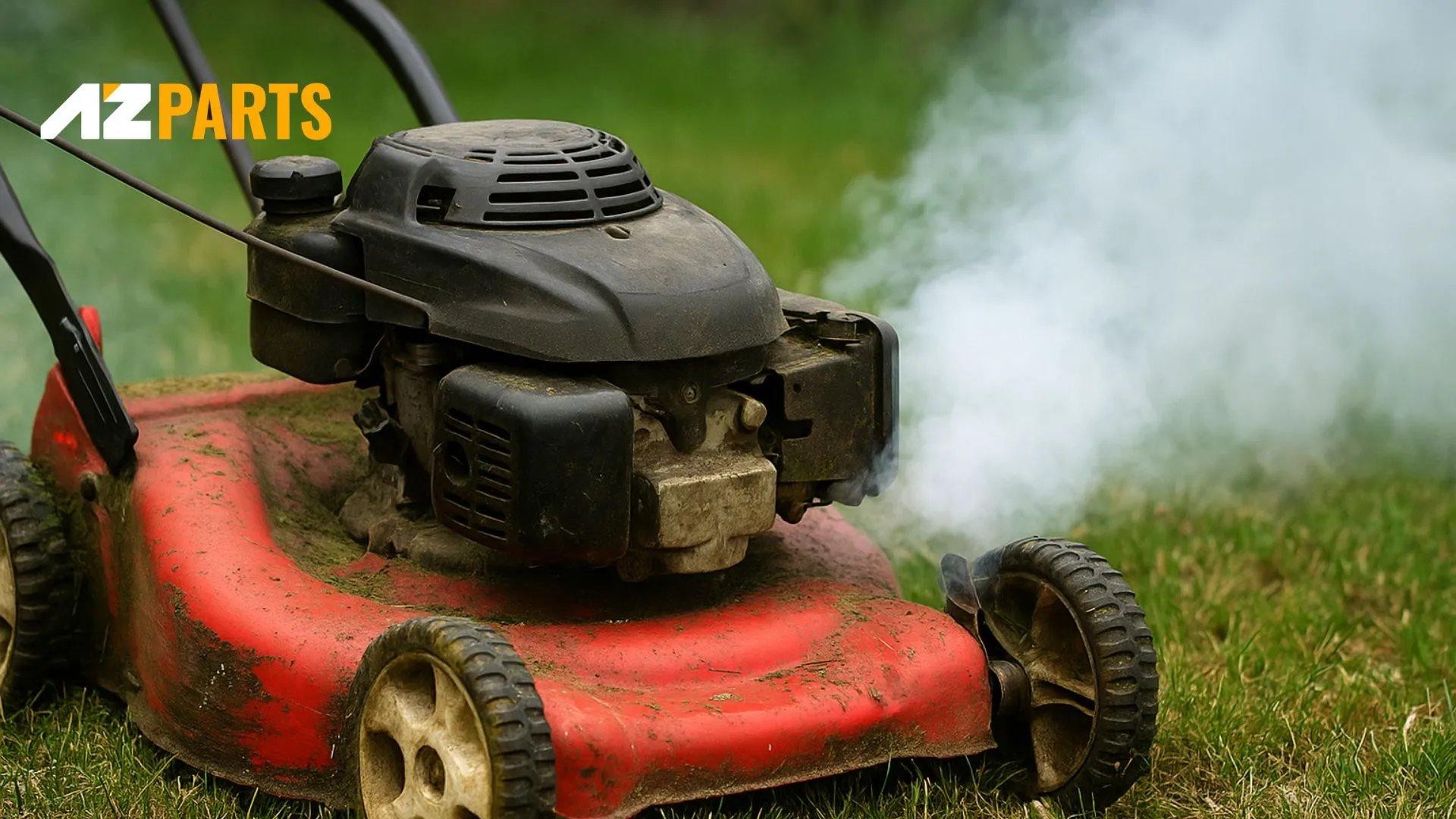
Credit: azparts.com
Common Reasons For Lawn Mower Backfire
Lawn mowers backfiring can be frustrating and even alarming. Understanding the common reasons behind backfires helps you fix the problem quickly and avoid damage. Let’s break down the most frequent causes so you can keep your mower running smoothly.
Fuel Issues
Old or contaminated fuel is a top culprit for backfiring. Gasoline that’s been sitting too long loses its effectiveness and can cause uneven combustion. Have you ever noticed your mower sputtering after using leftover fuel? That’s a sign it’s time to refresh the tank.
Using the wrong fuel type or mixing oil and gas incorrectly in two-stroke engines also leads to backfire. Make sure you follow your mower’s fuel guidelines exactly. Proper fuel quality makes a big difference in engine performance.
Ignition Problems
Faulty spark plugs often cause backfires by failing to ignite the fuel-air mixture at the right moment. If you see black soot or your mower struggles to start, the plugs might need cleaning or replacement.
A weak ignition coil can also disrupt timing, causing the engine to backfire. Have you checked your spark plugs recently? Regular inspection saves you from unexpected engine bursts.
Carburetor Malfunctions
The carburetor controls the fuel and air mix feeding the engine. If it’s clogged or dirty, the mixture becomes uneven, leading to backfires. Small debris or varnish buildup can block jets and passages inside.
Adjusting the carburetor settings incorrectly can also cause the engine to run too lean or rich. Do you know how to tune your carburetor? A well-maintained carburetor keeps your mower quiet and efficient.
Air Filter Blockage
A clogged air filter restricts airflow to the engine, causing a rich fuel mixture that can backfire. Dirt and debris build up fast if you mow in dusty conditions or don’t clean the filter regularly.
Replacing or cleaning your air filter is a simple task but often overlooked. Imagine your mower breathing through a straw—that’s what happens when the air filter is blocked.
Exhaust System Troubles
Blockages or damage in the exhaust system can cause backpressure, leading to backfires. Check for dents, holes, or carbon buildup in the muffler and exhaust pipe.
Sometimes, a loose exhaust component can cause unusual noises and backfiring. Have you inspected your mower’s exhaust recently? Keeping it clear helps the engine expel gases smoothly.

Credit: www.weekand.com
How Backfiring Affects Lawn Mower Performance
Backfiring in lawn mowers is more than just an annoying noise; it directly impacts how well your mower works. Understanding these effects can help you spot problems early and keep your mower running smoothly. Let’s look at the specific ways backfiring affects your lawn mower’s performance.
Engine Power Loss
Backfiring usually means the engine isn’t burning fuel properly. This incomplete combustion causes your mower to lose power unexpectedly. You might notice the engine sputtering or struggling, especially when cutting thick grass.
Have you ever felt your mower suddenly slow down? That’s often backfiring at work. It reduces the energy your engine produces, making your job harder and longer.
Increased Fuel Consumption
When your mower backfires, it wastes fuel by not burning it efficiently. This means you’ll find yourself refilling the gas tank more often than usual. Over time, this can add up to higher running costs without better performance.
Think about the last time your mower used more fuel than expected. Could backfiring have been the culprit? Fixing the issue might save you money and trips to the gas station.
Potential Engine Damage
Repeated backfiring puts stress on your mower’s engine parts. The sharp pressure changes inside the cylinder can cause damage to valves, spark plugs, or even the exhaust system. Ignoring these signs might lead to costly repairs down the road.
Have you ever experienced sudden engine trouble after hearing backfires? It’s a warning sign you shouldn’t ignore. Addressing backfiring quickly helps protect your mower’s lifespan and keeps it running reliably.
Quick Fixes For Backfiring Lawn Mowers
Backfiring lawn mowers can be noisy and frustrating. Often, simple fixes solve this problem quickly. Regular maintenance helps prevent backfires and keeps your mower running smoothly. Understanding common causes helps you apply the right fix fast.
Cleaning Or Replacing The Air Filter
A dirty air filter blocks airflow, causing a rich fuel mixture. This can lead to backfires. Remove the air filter and check for dirt or damage. Clean it with soap and water or replace it if worn out. A clean filter improves engine breathing and performance.
Checking And Adjusting The Carburetor
The carburetor mixes fuel and air for combustion. If it is out of adjustment, the mixture may be too rich or lean. Adjust the carburetor screws to balance the mix. Cleaning carburetor parts can also remove clogs that cause backfiring.
Inspecting Spark Plugs
Spark plugs ignite the fuel-air mixture. Worn or dirty plugs cause weak sparks and misfires. Remove the spark plug and check for deposits or damage. Clean or replace the plug to ensure strong, consistent sparks. Proper ignition reduces backfires.
Using Fresh Fuel
Old or stale fuel degrades and affects engine performance. Drain old fuel and refill the tank with fresh gasoline. Use fuel with the correct octane rating. Fresh fuel burns cleanly, preventing backfires and rough running.
Clearing The Exhaust System
A clogged exhaust traps gases and increases back pressure. This causes backfires and poor engine power. Inspect the muffler and exhaust pipe for blockages. Remove debris and clean the exhaust system to restore proper gas flow.

Credit: www.weekand.com
Preventive Tips To Avoid Backfiring
Preventing your lawn mower from backfiring not only saves you time but also extends the life of your machine. Backfiring often signals underlying issues that you can fix with simple, consistent care. By adopting practical habits, you can keep your mower running smoothly and avoid those frustrating loud pops.
Regular Maintenance Schedule
Keeping a regular maintenance schedule is crucial to avoid backfiring. Check your mower before every use for loose parts, worn-out belts, or damaged components. Setting reminders on your phone for monthly and seasonal tune-ups helps ensure you never skip important inspections.
Have you noticed how a well-maintained mower starts quickly and runs without hiccups? That’s no coincidence—it’s the payoff of consistent care.
Proper Fuel Storage
Storing fuel correctly can prevent backfiring caused by stale or contaminated gasoline. Use clean, airtight containers and keep fuel away from extreme temperatures or direct sunlight. Old fuel breaks down and can clog your carburetor, leading to uneven combustion and backfires.
Ask yourself when was the last time you replaced the fuel in your mower tank. If it’s been months, draining and refilling with fresh gasoline could solve unexpected backfire issues.
Routine Spark Plug Checks
The spark plug plays a vital role in how your mower’s engine fires. Inspect it regularly for carbon buildup, corrosion, or damage. Cleaning or replacing the spark plug every season or after 25 hours of use keeps the ignition strong and consistent.
I once ignored a worn spark plug, only to have my mower backfire repeatedly. Replacing it made an immediate difference—no more loud pops and smoother starts.
Keeping The Engine Clean
A clean engine runs more efficiently and reduces the risk of backfiring. Remove grass clippings, dirt, and debris from the engine area after each use. This prevents overheating and ensures proper airflow, which are essential for smooth combustion.
Have you ever opened your mower’s engine cover and been surprised by the amount of built-up grime? Taking a few minutes to clean it regularly can save you from costly repairs down the line.
When To Seek Professional Help
Knowing when to seek professional help for your lawn mower’s backfiring can save you time and prevent costly damage. Some issues may seem minor but could hint at deeper engine problems that require expert attention. Let’s look at the signs that tell you it’s time to call in a pro.
Persistent Backfiring Issues
If your lawn mower keeps backfiring despite your attempts to fix it, don’t ignore the problem. Constant backfiring often means a recurring issue that simple adjustments can’t solve. At this point, professional diagnostics are essential to pinpoint and repair the underlying cause.
Complex Engine Repairs
Backfiring can sometimes signal engine problems that need specialized tools and knowledge to fix. Issues like carburetor damage, ignition system faults, or internal engine wear require more than just basic maintenance. Attempting these repairs without experience can cause more harm than good.
Safety Concerns
Backfiring increases the risk of fire or injury, especially if fuel leaks or electrical faults are involved. If you notice strong fuel odors, smoke, or unusual noises along with backfiring, stop using the mower immediately. A professional technician can safely address these risks and ensure your mower operates securely.
Frequently Asked Questions
Why Does My Lawn Mower Backfire When Starting?
A lawn mower backfires at start due to improper fuel-air mix or ignition timing issues. It causes unburned fuel to ignite in the exhaust, creating a popping sound. Checking spark plugs and carburetor settings can usually fix this problem.
Can A Clogged Carburetor Cause Backfiring?
Yes, a clogged carburetor restricts fuel flow, causing a lean mixture. This lean mix can ignite improperly, resulting in backfires. Cleaning or rebuilding the carburetor often resolves the issue and improves mower performance.
How Does Spark Plug Condition Affect Backfiring?
Worn or fouled spark plugs cause weak or irregular sparks. This leads to incomplete combustion, which can trigger backfires. Replacing spark plugs regularly ensures proper ignition and prevents backfiring in lawn mowers.
Does Using Old Fuel Lead To Backfiring?
Old or stale fuel degrades and causes poor combustion. This may create backfires as unburned fuel ignites in the exhaust system. Always use fresh fuel and add stabilizers for longer storage to avoid backfire issues.
Conclusion
Lawn mower backfires can be noisy and surprising. They often happen due to fuel or spark issues. Keeping the mower clean helps prevent backfires. Regular checks make your mower run smoothly. Fix small problems early to avoid bigger ones. Understanding why backfires occur saves time and money.
Stay safe and enjoy a quieter mowing experience. Simple care leads to better mower performance.





