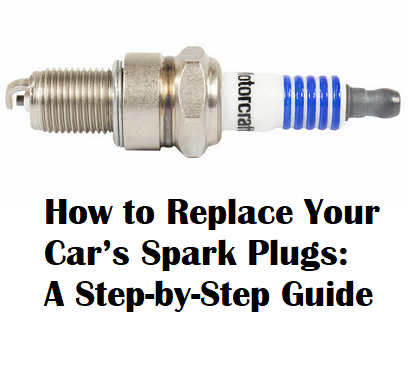
Are you wondering how often you need to change your spark plugs? If so, you’re not alone.
Many drivers overlook this small yet essential component of their vehicle’s engine. But neglecting your spark plugs can lead to poor performance, reduced fuel efficiency, and costly repairs. Imagine driving smoothly, with your engine purring like it just rolled off the showroom floor.
That’s what fresh spark plugs can do for you. By understanding when to replace them, you can enhance your car’s performance and extend its lifespan. Dive into this guide, and discover the key to unlocking your vehicle’s full potential. Stick around, because knowing when to change your spark plugs could save you time, money, and a lot of frustration on the road.
Spark Plug Basics
Understanding the basics of spark plugs is essential if you want to keep your engine running smoothly. Spark plugs are small but mighty components that play a crucial role in your vehicle’s performance. Knowing how they work and when they need changing can save you from unexpected breakdowns and costly repairs.
Role In Engine Performance
Spark plugs ignite the air-fuel mixture inside the engine cylinders, which powers your car. A strong spark means efficient combustion, leading to better fuel economy and smoother acceleration. If your spark plugs are weak or dirty, your engine may misfire, lose power, or struggle to start.
I once ignored a knocking sound, only to find out worn spark plugs were the culprit. Fixing them improved my car’s responsiveness instantly, proving how vital these small parts are.
Types Of Spark Plugs
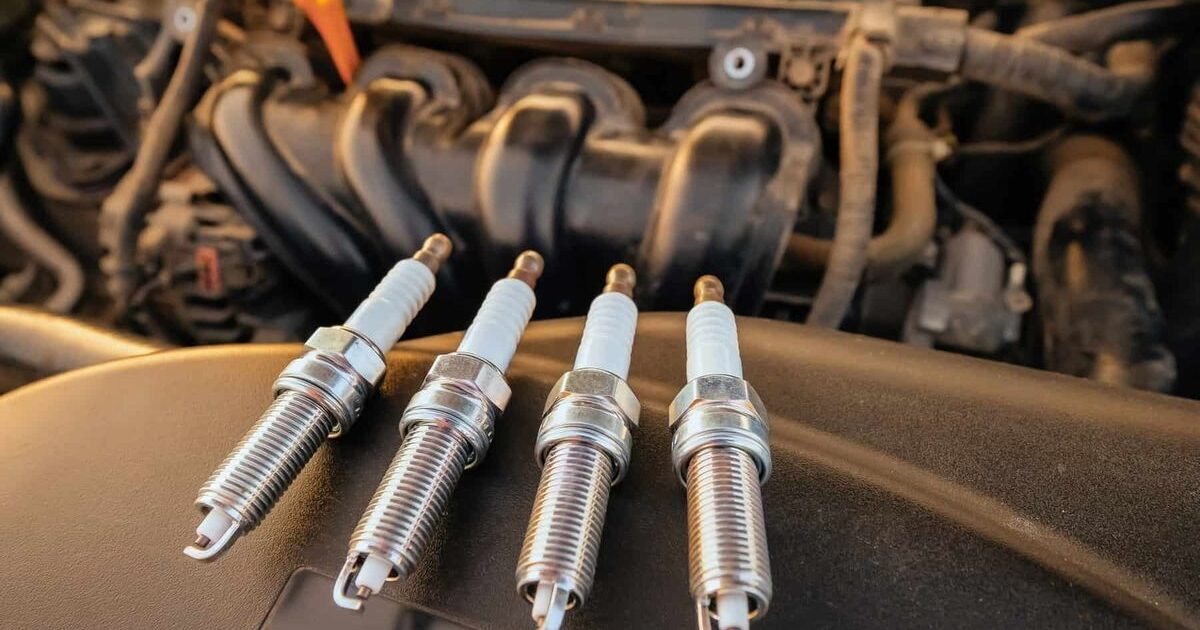
You’ll find several types of spark plugs, each designed for different needs:
- Copper:Good for older engines; inexpensive but wear out faster.
- Platinum:Longer-lasting and better heat tolerance than copper.
- Iridium:The most durable, providing strong sparks and longer life.
Choosing the right type depends on your car’s make and driving habits. Using the wrong spark plugs can affect performance and fuel efficiency.
Signs Of Worn Spark Plugs
How can you tell if your spark plugs need changing? Watch out for these signs:
- Difficulty starting your engine
- Rough idling or engine misfires
- Reduced fuel efficiency
- Loss of power during acceleration
- Check engine light turning on
If you notice any of these, it’s time to inspect your spark plugs. Regular checks can prevent bigger engine problems down the road.
Recommended Replacement Intervals
Knowing the right time to change spark plugs helps keep your engine running smoothly. Spark plugs wear out over time and affect car performance. Following recommended replacement intervals saves money and avoids engine trouble. These intervals depend on several factors, including manufacturer advice, driving habits, and plug type. Understanding these can help you maintain your vehicle better.
Manufacturer Guidelines
Car makers provide specific spark plug change intervals. These usually range from 30,000 to 100,000 miles. Consult your owner’s manual for exact numbers. Using the recommended schedule ensures optimal engine health. Ignoring these guidelines can cause misfires and poor fuel efficiency. Stick to the intervals to avoid unexpected breakdowns.
Impact Of Driving Conditions
Driving style affects spark plug wear significantly. Frequent short trips and stop-and-go traffic cause faster wear. Dusty or wet environments also shorten spark plug life. High speeds and heavy loads put extra stress on plugs. Adjust replacement intervals if your driving is harsh or unusual. This keeps the engine stable and responsive.
High-performance Vs Standard Plugs
High-performance spark plugs last longer than standard ones. They use advanced materials like iridium or platinum. These plugs resist heat and corrosion better. Standard plugs need changing more often, usually every 30,000 to 50,000 miles. High-performance plugs may last up to 100,000 miles. Choose plugs based on your car’s needs and budget.
Factors Affecting Spark Plug Life
Understanding the factors that affect spark plug life can save you time and money on car maintenance. Not all spark plugs wear out at the same rate, and several key elements influence their durability. Paying attention to these can help you decide when it’s truly time for a replacement.
Engine Type And Age
The kind of engine in your vehicle plays a big role in how long spark plugs last. Older engines with simpler designs often cause spark plugs to wear out faster due to less efficient combustion. On the other hand, modern engines with advanced ignition systems and better materials can extend spark plug life significantly.
Have you noticed your car’s engine sounding rough or misfiring? This could be a sign that your spark plugs are struggling, especially if your vehicle is older. Keeping an eye on your engine’s age and type helps you anticipate spark plug replacements before problems arise.
Fuel Quality
The fuel you use affects your spark plugs more than you might think. Low-quality or contaminated fuel leaves deposits on spark plugs, which can cause them to foul and fail sooner. Using cleaner, higher-grade fuel helps keep spark plugs cleaner and functioning longer.
Think about your last fuel purchase—did it come from a reliable station? Sticking to reputable fuel brands can actually extend your spark plugs’ life by reducing buildup. Don’t underestimate how small choices like fuel quality impact your car’s performance.
Driving Habits
Your driving style has a direct impact on spark plug wear. Frequent short trips and stop-and-go traffic prevent the engine from reaching optimal temperature, leading to carbon deposits on spark plugs. Conversely, steady highway driving allows plugs to burn cleaner and last longer.
Do you mostly drive in the city or take long highway trips? Changing how you drive can influence how often you’ll need to replace your spark plugs. If you often drive in heavy traffic, you might want to check your spark plugs more regularly to avoid unexpected engine issues.
Credit: www.westsideauto.com.au
Checking Spark Plugs
Checking spark plugs helps maintain engine health and fuel efficiency. Regular inspections catch problems early. It saves money and prevents engine issues. Knowing how to check spark plugs is key for car care.
Visual Inspection Tips
- Remove the spark plug carefully to avoid damage.
- Clean dirt around the plug before removal.
- Examine the plug in good light for clear details.
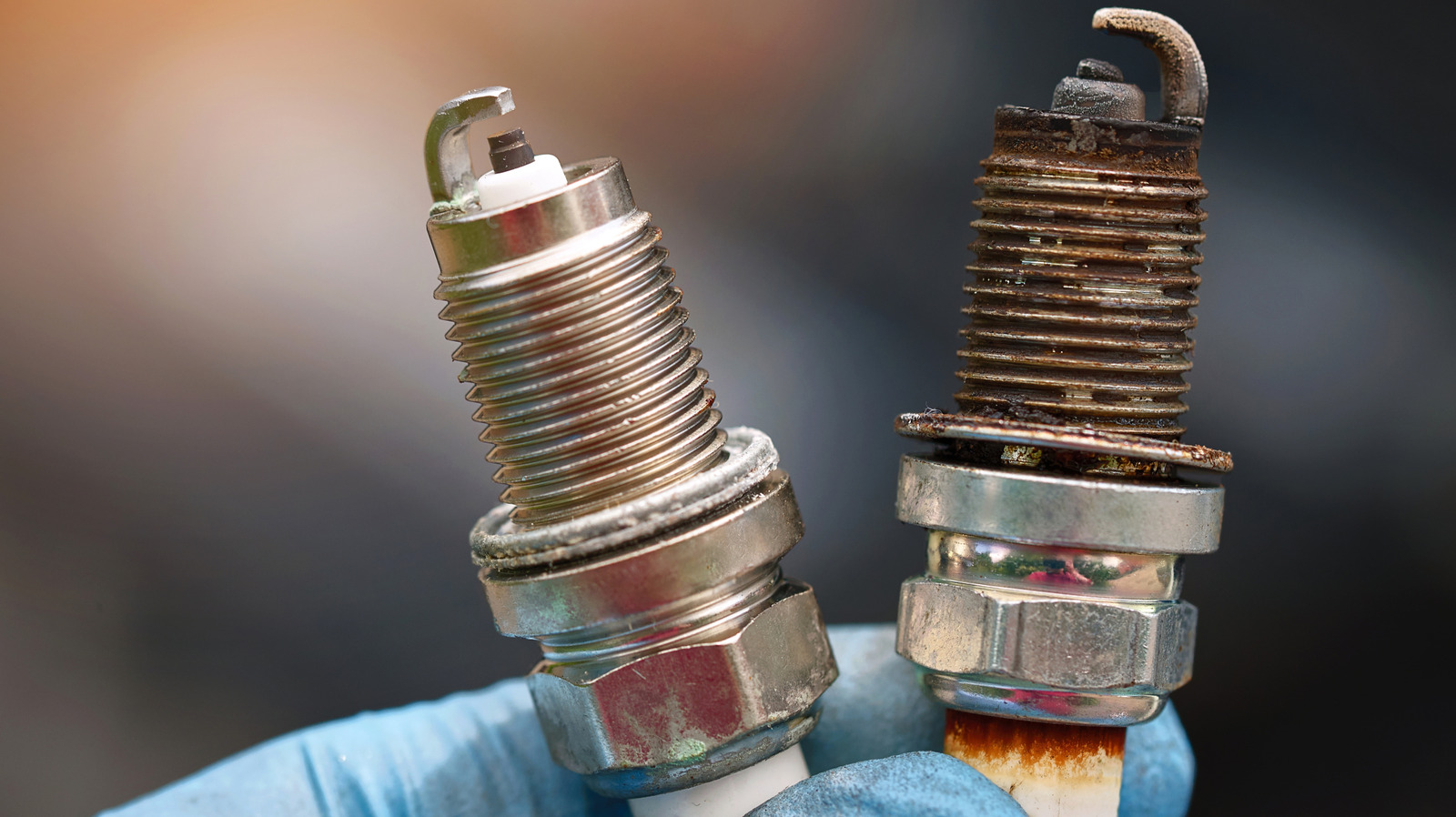
- Check the electrode and insulator for cracks or wear.
- Compare the plug color to a reference chart.
Tools Needed
- Spark plug socket wrench for easy removal.
- Ratchet or breaker bar to turn the wrench.
- Feeler gauge to measure the gap size.
- Wire brush to clean the plug if needed.
- Flashlight for better visibility.
What To Look For
- Black, oily deposits indicate engine oil leaks.
- White, blistered plugs show overheating issues.
- Worn electrodes reduce spark efficiency.
- Carbon buildup causes poor engine performance.
- Incorrect spark plug gap affects ignition.
Replacing Spark Plugs
Replacing spark plugs is a key part of keeping your engine running smoothly. Over time, spark plugs wear out and can cause misfires, poor fuel economy, and rough idling. Knowing how to change them correctly saves you time and money, and ensures your vehicle performs at its best.
Step-by-step Process
Start by locating the spark plugs under your engine hood. Remove the spark plug wires or ignition coils carefully to avoid damage.
Use a spark plug socket and ratchet to loosen and remove the old plugs. Check each one for signs of wear or fouling—they tell a story about your engine’s health.
Before installing new plugs, check the gap with a feeler gauge and adjust if necessary. Thread the new plugs by hand first to avoid cross-threading, then tighten them snugly with the socket.
Reconnect the wires or coils and double-check everything is secure. Don’t rush; careful work here prevents engine issues later.
Torque Specifications
Applying the right torque when tightening spark plugs is crucial. Too loose, and you risk poor engine performance or damage; too tight, and you can strip the threads or crack the plug.
Your vehicle’s manual or the spark plug packaging usually lists the exact torque values. If you don’t have a torque wrench, use a firm hand-tight approach, but investing in a wrench is worth it for precision.
| Type of Spark Plug | Torque Range (ft-lbs) |
|---|---|
| Standard Copper | 10-15 |
| Platinum or Iridium | 12-18 |
Have you ever wondered how much difference a few extra pounds of torque can make? The difference can be subtle but critical for engine health.
Common Mistakes To Avoid
- Not checking the gap:Improper gap leads to poor combustion and engine hesitation.
- Over-tightening plugs:This can damage the threads and cause costly repairs.
- Forgetting to reconnect wires properly:Loose connections cause misfires and performance drops.
- Using the wrong type of spark plug:Always match plugs to your engine specifications.
- Skipping the cleaning of the spark plug hole:Dirt can fall into the cylinder, causing damage.
Have you ever experienced engine trouble after a spark plug change? Often, it’s due to one of these common oversights. Paying attention to these details can save you from unnecessary headaches.
Benefits Of Timely Spark Plug Change
Changing your spark plugs on time is more than just routine maintenance. It directly impacts how your car performs every day. You might not notice the slow decline, but each delayed change chips away at your vehicle’s efficiency and reliability.
Improved Fuel Efficiency
New spark plugs ignite fuel more effectively, which means your engine burns fuel cleaner and uses less of it. Have you ever felt your gas mileage drop without any visible reason? Worn-out spark plugs are often the silent culprit.
By swapping them out when needed, you can save money at the pump and reduce the frequency of fill-ups. This small change adds up over time, especially if you drive regularly.
Smoother Engine Operation
Old spark plugs can cause your engine to misfire or run roughly. You might experience hesitation during acceleration or hear unusual sounds. Changing spark plugs promptly keeps your engine running smoothly and helps avoid these irritating issues.
Think about the last time your car hesitated on a busy street or struggled to start on a cold morning. Timely spark plug replacement reduces those moments, making your driving experience more enjoyable and less stressful.
Reduced Emissions
Faulty spark plugs cause incomplete fuel combustion, leading to higher emissions. This not only harms the environment but could also cause your vehicle to fail emissions tests. Replacing spark plugs on schedule helps keep your car cleaner and more eco-friendly.
Lower emissions mean you’re doing your part to reduce pollution. Plus, it can prevent costly repairs linked to emission system damage caused by unburned fuel.
When To Consult A Mechanic
Knowing when to see a mechanic about spark plugs can save time and money. Some signs need expert attention to avoid bigger car problems. Understanding these signs helps keep your engine running smoothly.
Persistent Engine Issues
Engine misfires or rough idling may point to spark plug problems. Poor acceleration or trouble starting the engine can also signal trouble. If these issues happen often, a mechanic’s check is wise. They can find hidden problems affecting performance.
Difficulty In Replacement
Spark plugs can be hard to reach in some cars. Tight spaces or rusty parts make DIY replacement risky. Stripped threads or broken plugs stuck in the engine need special tools. A mechanic has the right skills and equipment for safe removal.
Advanced Diagnostic Tools
Modern cars use complex systems to monitor engine health. Mechanics use scanners to read error codes from the engine control unit. These tools detect spark plug faults that are not obvious. Professional diagnostics ensure correct spark plug maintenance and replacement.
Credit: www.slashgear.com

Credit: www.youtube.com
Frequently Asked Questions
How Often Should Spark Plugs Be Replaced?
Spark plugs typically need replacement every 30,000 to 100,000 miles. Check your vehicle’s manual for exact intervals. Regular replacement ensures optimal engine performance and fuel efficiency.
What Happens If Spark Plugs Are Not Changed Timely?
Delayed spark plug replacement can cause engine misfires, poor fuel economy, and rough idling. It may also lead to costly engine damage over time.
Can Worn Spark Plugs Affect Car Performance?
Yes, worn spark plugs reduce engine power, increase emissions, and cause starting problems. Replacing them restores smooth acceleration and better fuel efficiency.
How To Know If Spark Plugs Need Changing?
Signs include engine misfires, rough idling, reduced fuel efficiency, and difficulty starting. Visual inspection for wear or deposits also helps determine replacement needs.
Conclusion
Changing spark plugs regularly keeps your engine running smooth. Worn spark plugs cause poor fuel use and harder starts. Check your car’s manual for the right replacement time. Signs like rough idling or low power mean it’s time to change.
Keep your spark plugs clean and in good shape. This small step helps avoid bigger car problems later. Stay on top of spark plug care for a healthy engine. Simple maintenance saves money and stress on the road.





