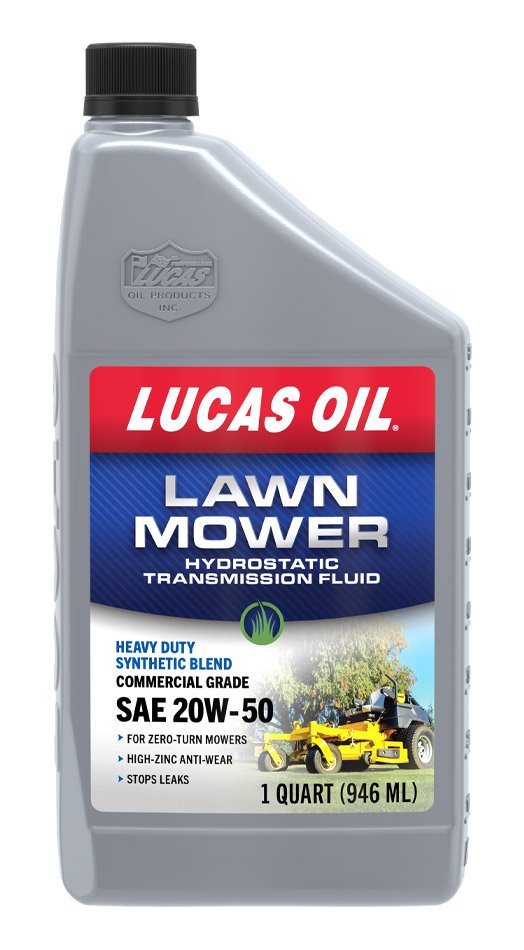
When it comes to maintaining your lawn mower, choosing the right oil can make all the difference. You want your lawn mower to run smoothly, efficiently, and last for years, right?
But with so many options out there, figuring out which oil is truly the best can be confusing. Imagine mowing your lawn effortlessly, hearing the gentle hum of a perfectly tuned engine. That’s the reward of using the right oil.
This guide will take you through everything you need to know about selecting the best oil for your lawn mower, ensuring it runs like a dream every time you use it. Stick around to discover how you can keep your mower in top shape and get the most out of your outdoor chores.
Choosing The Right Oil Type
Choosing the right oil type for your lawn mower is more than just picking what’s on sale. The oil you use affects engine performance, longevity, and how smoothly your mower runs. Knowing the differences between oil types, understanding viscosity ratings, and matching oil to the season can save you time and money.
Synthetic Vs Conventional Oils
Synthetic oils are engineered to provide better protection under extreme conditions. They resist breaking down at high temperatures and flow more easily when it’s cold. This means your mower starts faster and runs cleaner.
Conventional oils, on the other hand, are made from refined crude oil. They work well for regular mowing but may not handle heavy use or temperature swings as effectively. If you mow occasionally and in moderate weather, conventional oil might be enough.
Ask yourself: do you want the peace of mind that comes with enhanced engine protection? Synthetic oil could be worth the extra cost, especially if you use your mower frequently or in tough conditions.
Viscosity Ratings Explained
Viscosity ratings like 10W-30 or 5W-20 tell you how thick the oil is at different temperatures. The first number with “W” indicates how the oil flows in cold weather, while the second number shows its thickness at operating temperature.
- Lower “W” numbersmean the oil flows better in cold starts.
- Higher second numbersmean thicker oil when hot, offering better lubrication under heat.
Choosing the right viscosity ensures your mower’s engine is protected from wear and tear. Using oil that’s too thick or too thin can cause starting problems or increase engine friction. Check your mower’s manual and pick the viscosity recommended for your climate.
Seasonal Oil Choices
Different seasons demand different oil characteristics. In colder months, oil that flows easily helps your mower start quickly and reduces engine strain. In warmer months, thicker oil provides better protection against heat and wear.
- Use 5W-30 or 10W-30 in spring and fall for balanced performance.
- Switch to 10W-40 or heavier grades if summer temperatures soar.
- Consider lighter oils like 5W-20 in winter if you mow year-round.
Have you noticed your mower struggling on chilly mornings? Changing to a lower “W” rating oil might be the fix. Paying attention to seasonal oil changes keeps your mower running smoothly all year long.
Oil Specifications For Lawn Mowers
Choosing the right oil for your lawn mower is more than picking the first bottle on the shelf. The oil must match specific standards to protect your engine and keep it running smoothly. Understanding oil specifications helps you avoid costly repairs and extends your mower’s life.
Manufacturer Recommendations
Always start with the manufacturer’s advice. Lawn mower makers test their engines with certain oil types to ensure optimal performance.
Using oil that meets these recommendations prevents issues like engine wear and poor fuel efficiency. You might find this info on the mower’s label or the company’s website.
Api Service Categories
The American Petroleum Institute (API) classifies oils based on their quality and performance. Look for categories like SJ, SL, or newer classifications on the oil container.
These categories indicate the oil’s ability to protect against engine deposits, wear, and oxidation. Choosing an oil with the right API rating means your mower will get the protection it needs under different conditions.
Checking The Owner’s Manual
Your mower’s owner’s manual is a goldmine for oil info. It specifies the recommended oil viscosity (like 10W-30) and API service category suited for your engine.
Ignoring this guidance can cause starting problems or engine damage. Keep the manual handy and double-check it before buying oil—you’ll save time and money in the long run.
Benefits Of Using Quality Oil
Using quality oil in your lawn mower makes a big difference. It protects the engine and helps it work well. Good oil keeps the mower running smoothly and lasts longer. It also saves fuel and reduces repairs. Choosing the right oil gives your mower the care it needs.
Improved Engine Performance
Quality oil reduces friction inside the engine. This helps parts move smoothly without wear. The engine runs cooler and more quietly. It also starts easier and stays strong. Better oil means better power for cutting grass.
Extended Engine Life
Good oil protects engine parts from damage and rust. It cleans away dirt and sludge that build up. This stops blockages and keeps parts moving freely. Using the right oil means fewer breakdowns. The engine lasts longer and stays reliable.
Better Fuel Efficiency
Quality oil helps the engine burn fuel cleanly. This saves fuel and lowers running costs. The mower works less hard but cuts grass well. Using good oil means you spend less on gas. It also reduces harmful emissions from the mower.

Credit: www.amazon.com
Common Oil Mistakes To Avoid
Using the right oil for your lawn mower is key to its health. Many make simple mistakes that can harm the engine. Avoiding these common oil errors will keep your mower running smoothly and last longer.
Using Incorrect Oil Types
Not all oils work for every mower. Using the wrong type can cause poor engine performance. Check your mower’s manual for the recommended oil grade. Avoid using automotive oils that are not suited for small engines. Choose oil designed specifically for lawn mowers or small engines.
Ignoring Oil Change Intervals
Old oil loses its ability to protect the engine. Skipping oil changes leads to buildup and wear. Change the oil regularly based on the mower’s usage and manufacturer advice. Fresh oil improves engine efficiency and reduces breakdown risk. Set reminders to keep track of oil change dates.
Overfilling Or Underfilling Oil
Too much oil can cause engine damage and smoke. Too little oil leads to poor lubrication and overheating. Use the dipstick to measure oil levels carefully. Fill oil slowly and stop at the correct mark. Proper oil levels ensure smooth engine operation and long life.
How To Change Lawn Mower Oil
Changing the oil in your lawn mower keeps the engine running smoothly. Clean oil helps the engine last longer and work better. Regular oil changes prevent damage and improve performance. This guide explains how to change lawn mower oil safely and easily.
Tools And Materials Needed
- Fresh lawn mower oil (check your mower’s manual for type)
- Oil drain pan or container
- Wrench or socket set
- Funnel
- Rags or paper towels
- Gloves (optional, to keep hands clean)
- Car jack or blocks (if needed to access drain plug)
Step-by-step Oil Change Process
Start by warming up the engine for a few minutes. Warm oil drains faster and more completely. Turn off the engine and disconnect the spark plug wire for safety.
Place the oil drain pan under the drain plug or oil cap. Remove the oil fill cap to allow air in. Unscrew the drain plug or tilt the mower to drain oil through the fill hole.
Let all the old oil drain out. Clean the drain plug and replace it tightly. Use a funnel to pour fresh oil into the fill hole.
Check the oil level with the dipstick. Add oil slowly to avoid overfilling. Replace the oil fill cap and reconnect the spark plug wire. Wipe any spilled oil from the mower.
Proper Oil Disposal
Used oil can harm the environment. Collect the old oil in a sealed container. Do not pour oil on the ground or into drains.
Take the used oil to a recycling center or auto shop. Many places accept used oil for free. Proper disposal keeps your yard and water clean.
Credit: www.lucasoil.com
Top Oil Brands For Lawn Mowers
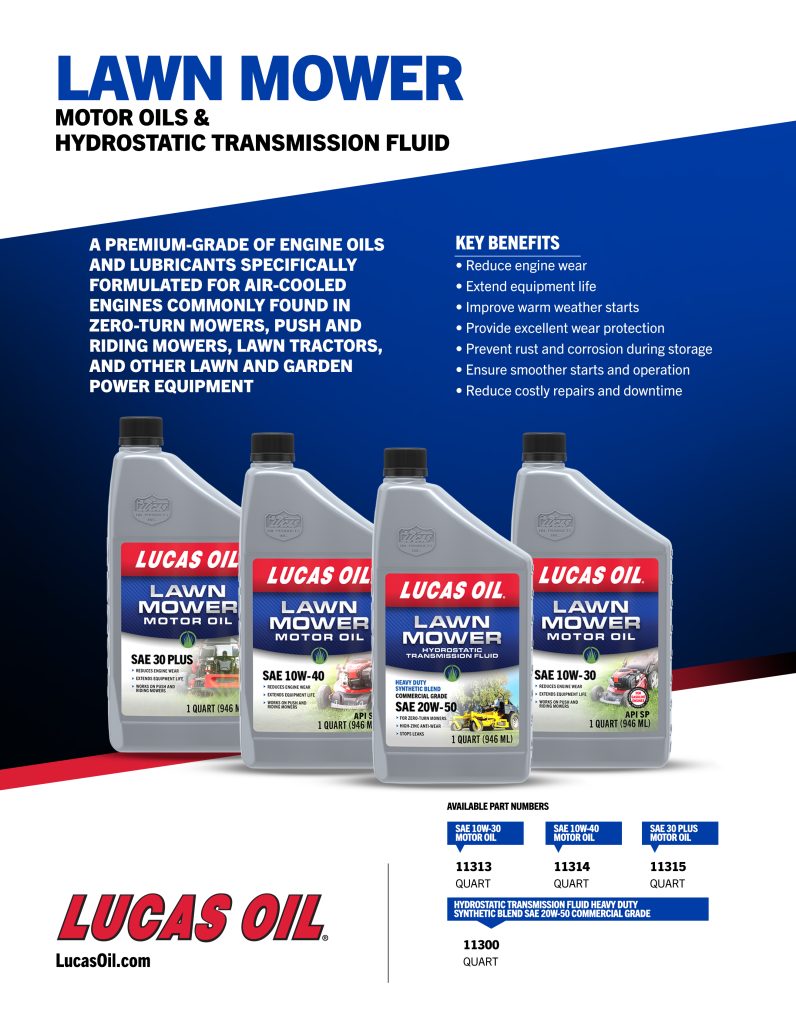
Choosing the right oil brand ensures your lawn mower runs smoothly and lasts longer. Quality oils protect the engine from wear and tear. They help improve performance and reduce maintenance needs.
Several top brands offer oils designed specifically for lawn mowers. These oils come in synthetic, conventional, and budget-friendly options. Each type suits different needs and budgets.
Popular Synthetic Oils
- Mobil 1 Synthetic Lawn Mower Oil – Offers excellent engine protection and longer oil life.
- Castrol GTX Magnatec Synthetic – Clings to engine parts, reducing wear during startup.
- Honda Synthetic Oil – Designed for small engines, ensures smooth operation in various conditions.
Reliable Conventional Oils
- Stihl High-Performance Oil – Trusted for many outdoor power tools and lawn mowers.
- Briggs & Stratton SAE 30 – A classic choice for small engines, known for consistent quality.
- Valvoline Small Engine Oil – Provides good protection and helps keep engines clean.
Budget-friendly Options
- Super Tech SAE 30 – Affordable and widely available at major retailers.
- Quaker State Conventional Oil – Balances cost and performance for casual users.
- Prestone Lawn Mower Oil – Economical choice for light-duty mowing tasks.
Signs Your Lawn Mower Needs An Oil Change
Knowing when your lawn mower needs an oil change helps keep it running smoothly. Clean oil lubricates the engine and prevents damage. Over time, oil breaks down and gets dirty. This harms engine parts and reduces mower performance. Watch for clear signs to know the right time for an oil change.
Engine Noise And Performance
Listen for unusual sounds like knocking or rattling. These noises may mean oil is old or low. The mower might also run slower or stall more often. Engine parts need good oil to work well. Poor oil causes friction and overheating. Changing the oil can restore smooth running and power.
Oil Color And Texture
Check the oil’s color by dipping the dipstick. Fresh oil looks clear or light amber. Dark, black oil shows dirt and wear. Oil that feels gritty or thick is bad. It cannot lubricate the engine properly. Regularly inspect oil to spot these changes early. Clean oil keeps the engine safe and efficient.
Usage Hours And Maintenance Schedule
Follow the mower’s manual for oil change intervals. Most mowers need oil changes every 25 to 50 hours. Track how long you use your mower each time. Skip long gaps between changes. Sticking to the schedule prevents engine damage. Mark your calendar or log hours to stay on track.

Credit: www.amazon.com
Frequently Asked Questions
What Type Of Oil Is Best For Lawn Mowers?
The best oil for lawn mowers is SAE 30 for warm weather. Synthetic oils work well in colder climates. Always check your mower’s manual for the recommended type to ensure optimal engine performance.
Can I Use Synthetic Oil In My Lawn Mower?
Yes, synthetic oil can be used in lawn mowers. It offers better engine protection, improves performance, and lasts longer than conventional oil. However, always confirm compatibility with your mower’s manufacturer guidelines before switching.
How Often Should I Change Lawn Mower Oil?
Change your lawn mower oil after every 25 hours of use or at least once per season. Regular oil changes keep the engine running smoothly and extend its lifespan. Check the owner’s manual for specific recommendations.
What Happens If I Use The Wrong Oil In My Mower?
Using the wrong oil can cause poor engine performance, increased wear, or damage. It may lead to overheating or clogging. Always use the manufacturer-recommended oil type to maintain engine health and efficiency.
Conclusion
Choosing the right oil keeps your lawn mower running smooth. Use oil that matches your mower’s engine type and climate. Change the oil regularly to avoid damage and wear. Clean oil helps the engine stay cool and work well. Avoid mixing different oil types to prevent problems.
A little care goes a long way for mower life. Keep your mower healthy, and your lawn will look great. Simple steps ensure your mower works when you need it.





