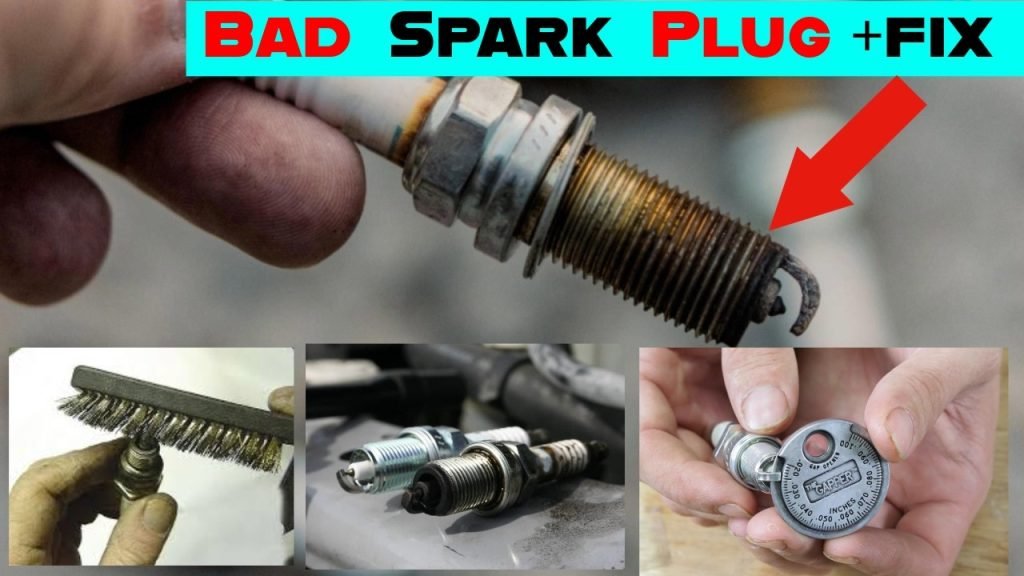
Have you ever faced a rough idle, trouble starting your engine, or that annoying check engine light flashing on your dashboard? These could be signs that your spark plugs are failing.
Spark plugs play a crucial role in your vehicle’s performance, and knowing when they’re bad can save you time, money, and a lot of frustration. We’ll dive into the telltale signs of a bad spark plug and help you keep your engine running smoothly.
Whether you’re a seasoned car enthusiast or just someone looking to avoid a costly repair, understanding these symptoms can be a game-changer for you. Let’s get started, so you can drive with confidence and peace of mind!

Credit: www.reddit.com
Common Signs Of A Bad Spark Plug
Recognizing the common signs of a bad spark plug helps maintain your vehicle’s performance. A faulty spark plug affects engine efficiency and can cause several driving problems. Watch for these warning signals to know when a spark plug needs attention.
Engine Misfires
Engine misfires feel like sudden jerks while driving. The engine may hesitate or lose power briefly. Misfires happen because the spark plug fails to ignite the fuel-air mix properly. This disrupts smooth engine operation and can damage other parts.
Poor Fuel Economy
A bad spark plug causes incomplete fuel combustion. This wastes fuel and lowers miles per gallon. You might notice your car needs gas more often than usual. Fuel economy drops because the engine works harder to maintain speed.
Difficulty Starting
Starting the engine becomes harder with bad spark plugs. The engine may crank longer before it starts. Sometimes, it won’t start at all on the first try. Weak sparks fail to ignite the fuel, causing delays and frustration.
Rough Idling
A rough idle means the engine shakes or vibrates when stopped. The car may sound uneven or choppy at low speeds. Bad spark plugs cause irregular firing, which leads to unstable idling. This can make driving uncomfortable and noisy.
Lack Of Acceleration
Acceleration slows down due to poor spark plug performance. Your car may feel sluggish or unresponsive when pressing the gas. This happens because the engine does not get the spark needed for quick power. Bad plugs reduce overall driving power.

Credit: www.toyotanation.com
Visual Clues On The Spark Plug
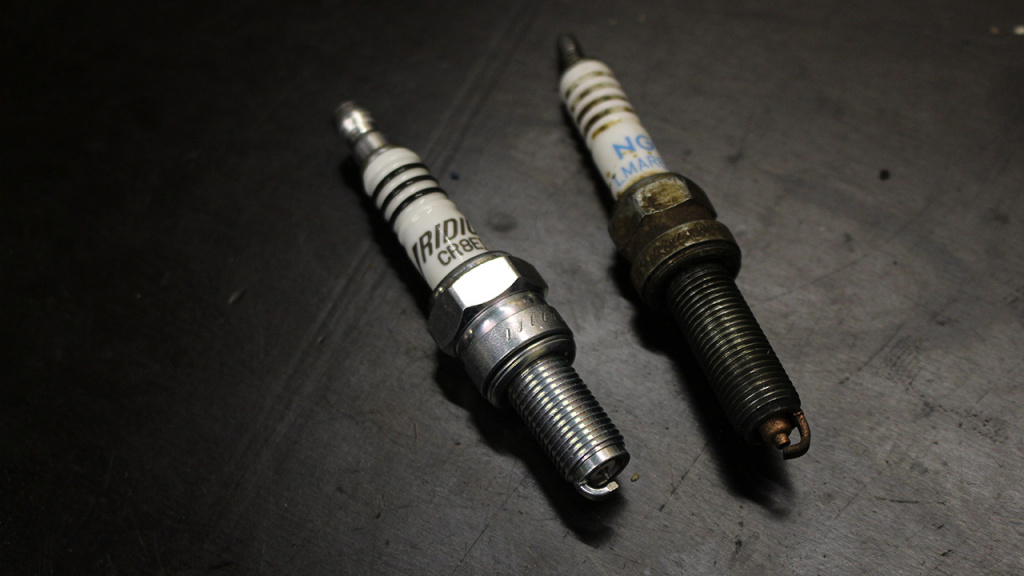
Spark plugs reveal many signs of their condition. Visual clues help spot problems early. Checking the spark plug closely shows if it needs replacement. Each issue has a unique look. Recognizing these signs saves time and money on repairs.
Carbon Deposits
Carbon deposits appear as dry, black soot on the spark plug tip. This buildup blocks sparks and reduces engine power. It often results from a rich fuel mixture or weak ignition. Cleaning or replacing the plug restores proper function.
Oil Fouling
Oil fouling shows as wet, oily deposits on the spark plug. Oil leaks into the combustion chamber cause this. It prevents proper spark and causes misfires. Replacing the spark plug and fixing the leak is necessary.
Worn Electrodes
Worn electrodes look rounded or eroded at the edges. This wear increases the gap, making sparks weaker. A weak spark lowers engine performance and fuel efficiency. Regular replacement keeps the engine running smoothly.
Cracked Insulator
The insulator is the white ceramic part of the spark plug. Cracks or chips here cause spark loss and engine misfires. Damage often comes from improper installation or impact. Replacing the spark plug solves this issue fast.
Effects On Engine Performance
Bad spark plugs can seriously affect how your engine runs. When spark plugs don’t work right, your engine struggles to perform efficiently. This section breaks down the key ways a failing spark plug impacts your engine’s performance.
Reduced Power Output
Your engine relies on spark plugs to ignite the fuel-air mix. If a spark plug is worn or fouled, the ignition becomes weak or inconsistent. This leads to a noticeable drop in power, especially when accelerating or climbing hills.
Have you ever felt your car hesitate or lag when you press the gas? That’s often a sign your spark plugs aren’t firing properly. Ignoring this can make your daily drives frustrating and unsafe.
Increased Emissions
Faulty spark plugs cause incomplete combustion. This means more unburned fuel leaves the engine, raising harmful emissions. Your car may fail emissions tests or trigger the check engine light.
Besides environmental harm, increased emissions can lead to clogged catalytic converters. This adds repair costs and reduces your vehicle’s lifespan. Keeping spark plugs in good shape helps protect both your wallet and the planet.
Engine Surging
Engine surging feels like your car’s RPMs jump up and down unexpectedly. Bad spark plugs can cause this by creating irregular firing patterns. This makes your ride jerky and unpredictable.
Have you noticed your engine revving without pressing the accelerator? This is a clear signal to check your spark plugs. Fixing them can restore smooth and stable engine performance immediately.
Credit: finntrail.com
When To Inspect Or Replace Spark Plugs
Knowing when to inspect or replace your spark plugs can save you from unexpected car troubles and keep your engine running smoothly. Spark plugs don’t always fail suddenly; often, signs appear gradually, giving you a chance to act. Paying attention to these signs and following a maintenance schedule can help you avoid costly repairs and improve your car’s performance.
Mileage Guidelines
Most manufacturers recommend checking or replacing spark plugs every 30,000 to 50,000 miles. However, this depends on the type of spark plugs your car uses. For example, platinum or iridium spark plugs can last up to 100,000 miles, while copper plugs wear out faster.
Have you checked your vehicle’s manual lately? It usually contains the best advice tailored for your car model. If you drive in harsh conditions like stop-and-go traffic or extreme temperatures, consider inspecting your spark plugs more often.
Signs During Routine Maintenance
During routine oil changes or tune-ups, ask your mechanic to inspect your spark plugs. Look out for symptoms like rough idling, difficulty starting, or poor fuel economy. These issues often hint that your spark plugs may be wearing out.
- Check for carbon deposits or oil fouling on the plugs
- Look for worn or broken electrodes
- Notice if the gap between electrodes has widened
Have you ever experienced a sudden drop in engine power? That can be a clear sign of bad spark plugs. Catching these signs early can help you replace spark plugs before they cause bigger problems.
Diy Spark Plug Check Tips
Checking spark plugs yourself saves time and money. It helps spot problems before they get worse. Simple tools and careful steps make the task easy. You can improve your car’s performance with regular checks. Below are useful tips for a DIY spark plug check.
Tools Needed
- Spark plug socket wrench
- Ratchet and extension bar
- Gap gauge or feeler tool
- Wire brush for cleaning
- Compressed air or a soft cloth
- Anti-seize compound (optional)
Safe Removal Process
Let the engine cool before starting. Hot parts can cause burns. Remove the spark plug wire carefully by pulling the boot, not the wire. Use the spark plug socket and ratchet to loosen the plug. Turn counterclockwise gently to avoid damage. Keep the spark plug straight while removing. Place plugs on a clean surface to inspect later.
Basic Cleaning Techniques
Check for carbon deposits or oil on the plug. Use a wire brush to remove dirt carefully. Blow compressed air or wipe with a soft cloth to clear debris. Avoid harsh scraping that can damage the electrode. Check the gap with a feeler tool and adjust if needed. Apply a small amount of anti-seize on the threads before reinstalling.
Frequently Asked Questions
What Are The Common Signs Of A Bad Spark Plug?
A bad spark plug causes rough idling, engine misfires, and poor acceleration. You may also notice reduced fuel efficiency and difficulty starting your vehicle.
How Often Should Spark Plugs Be Replaced?
Typically, spark plugs should be replaced every 30,000 to 100,000 miles. Check your vehicle’s manual for specific intervals based on your spark plug type.
Can A Bad Spark Plug Damage The Engine?
Yes, faulty spark plugs can cause misfires and incomplete combustion. This may lead to engine damage and increased emissions if not addressed promptly.
How To Visually Inspect A Spark Plug For Damage?
Remove the spark plug and check for carbon buildup, oil fouling, or worn electrodes. These signs indicate the spark plug is failing and needs replacement.
Conclusion
Bad spark plugs can cause many car problems. Signs like rough idling, poor fuel economy, and difficulty starting show trouble. Regular checks help catch issues early. Replacing spark plugs on time keeps your engine running smooth. Don’t ignore any strange engine sounds or performance drops.
A simple spark plug fix can save you money and stress. Stay alert and take action when you notice symptoms. Your car will thank you with better power and efficiency. Keep your spark plugs healthy for a safer, smoother drive.





