
Is your push mower not starting as smoothly as it used to, or perhaps it’s consuming more fuel than usual? The culprit might be a worn-out spark plug.
Changing the spark plug on your push mower is a simple task that can breathe new life into your machine, saving you time and money on unnecessary repairs. In this guide, you’ll discover step-by-step how to replace the spark plug efficiently, even if you’ve never done it before.
Imagine the satisfaction of hearing your mower start effortlessly, giving you a lush, well-manicured lawn with minimal effort. Ready to get your hands a bit dirty and revive your mower’s performance? Let’s dive right in!
Credit: www.familyhandyman.com
Tools And Materials Needed
Changing a spark plug on a push mower requires a few simple tools and materials. Having the right items ready makes the job easier and faster. This section covers what you need before starting the task.
Essential Tools
- Spark plug wrench or socket
- Ratchet or wrench handle
- Gap gauge or feeler tool
- Clean rag or brush
- Gloves for hand protection
- Safety glasses
Choosing The Right Spark Plug
Select a spark plug designed for your mower model. Check your owner’s manual for the exact type and size. Using the wrong plug can cause poor engine performance or damage.
Look for plugs with the right heat range and gap size. The heat range affects how hot the plug runs. The gap size controls the spark ignition.
Preparing The Mower
Before you dive into changing the spark plug on your push mower, getting your mower ready is crucial. Proper preparation not only makes the task easier but also keeps you safe. Taking a few minutes to prepare can save you from potential hazards and ensure a smooth process.
Safety Precautions
First, make sure your mower is completely off. Remove the key or disconnect the spark plug wire to prevent accidental starting. Even if you think it’s off, unexpected starts can cause serious injuries.
Wear gloves to protect your hands from sharp edges or hot parts. If the mower was recently used, let it cool down to avoid burns. Clear the area around the mower so you have enough space to work comfortably and avoid tripping.
Locating The Spark Plug
Finding the spark plug can be tricky if you’re not familiar with your mower’s engine. Typically, the spark plug is on the side or top of the engine, connected to a thick wire. This wire leads to the ignition system and should be easy to spot.
Look for a small, cylindrical part with a wire attached at the end. If you have your mower’s manual handy, it can show you the exact location. Have you ever struggled to find a part because you skipped this step? It’s worth double-checking before you start loosening anything.
Removing The Old Spark Plug
Removing the old spark plug is a crucial part of maintaining your push mower. It’s where you prepare the engine to run smoothly again. Taking your time here ensures you don’t damage the threads or the engine itself.
Disconnecting The Spark Plug Wire
First, locate the spark plug wire attached to the plug. It usually has a thick rubber boot covering the connection point.
Grip the boot firmly—never pull on the wire itself. Pull it straight off with a gentle twist if needed. This prevents damage to the wire, which could cause starting issues later.
Have you ever tried yanking the wire and ended up with a broken connection? Handling this step carefully saves you from that hassle.
Using The Spark Plug Socket
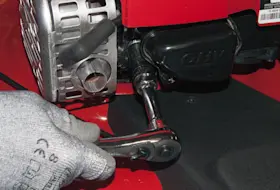
Next, use a spark plug socket, which fits snugly over the plug and attaches to a ratchet or wrench. This tool helps you loosen the plug without slipping and damaging it.
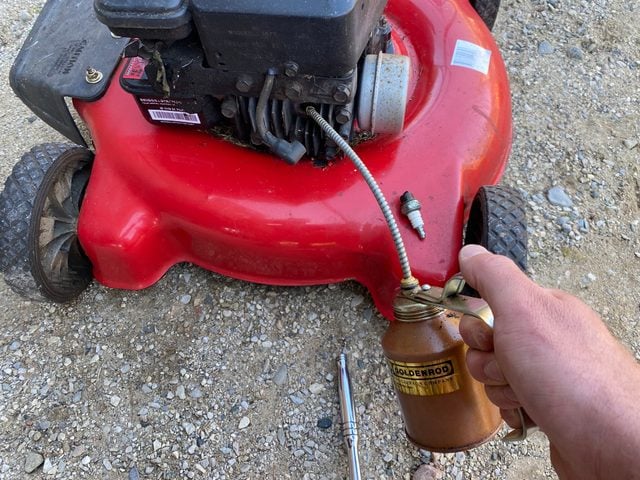
Turn the ratchet counterclockwise to unscrew the plug. It might be tight, so steady, firm pressure works best. If it feels stuck, try applying a little penetrating oil and wait a few minutes before trying again.
Once loose, carefully lift the plug out. Notice the gap and condition of the electrode—it tells a story about your engine’s health.
Inspecting The Old Spark Plug
Inspecting the old spark plug is a key part of maintaining your push mower. This check helps you understand if the spark plug still works well or needs replacing. A careful look can reveal signs of wear or damage. Knowing when to replace the spark plug keeps your mower running smoothly and starts easily every time.
Signs Of Wear And Damage
Check the spark plug’s tip and threads carefully. Look for these common signs:
- Black, sooty deposits on the electrode
- Cracks or chips on the ceramic insulator
- Worn or rounded electrodes
- Rust or corrosion on metal parts
- Oily residue covering the plug
Any of these signs show the spark plug is not working properly. Dirt or damage can stop the spark from jumping correctly. This affects the mower’s engine performance and fuel efficiency.
When To Replace
Replace the spark plug if you notice any damage or wear. Also, change it if the mower starts hard or runs unevenly. Follow the mower manufacturer’s guide for replacement intervals. Usually, spark plugs last about one mowing season or 25 hours of use.
Regularly swapping the spark plug helps avoid engine problems. It also saves time and money on repairs. Keep a fresh spark plug ready for best mower care.
Installing The New Spark Plug
Installing the new spark plug on your push mower is a straightforward task that can make a big difference in performance. Taking care during this process ensures your mower starts quickly and runs smoothly. Let’s look at how to prepare and install the spark plug correctly.
Gapping The Spark Plug
Check the gap between the spark plug’s electrodes before installing it. The gap size is crucial because it affects the spark’s strength and efficiency. Use a spark plug gap tool to measure and adjust the gap to the mower manufacturer’s recommended specification.
If the gap is too wide or too narrow, the engine might misfire or run poorly. Gently bend the side electrode to increase or decrease the gap. This simple adjustment can save you from unnecessary troubleshooting later.
Threading And Tightening
Start by threading the spark plug into the cylinder head by hand. This helps avoid cross-threading, which can damage the threads and cause leaks. Turn the plug slowly and feel for resistance.
Once hand-tight, use a spark plug socket and ratchet to snug it firmly. Avoid over-tightening, which can crack the porcelain insulator or strip the threads. A good rule of thumb is to tighten about a quarter to a half turn past hand-tight.
Have you ever struggled with a stuck spark plug? Taking your time during threading prevents this headache and keeps your mower ready for action.

Credit: www.youtube.com
Reconnecting And Testing
After replacing the spark plug, reconnecting and testing your push mower is crucial to ensure everything works smoothly. This stage confirms that your effort paid off and the engine is ready to roar back to life.
Reattaching The Spark Plug Wire
Carefully place the spark plug wire back onto the new spark plug’s metal tip. Make sure it fits snugly—loose connections can cause the mower to misfire or not start at all.
If the wire feels stubborn, wiggle it gently while pushing to avoid damaging the wire or plug. You want a firm connection without forcing it too hard.
Starting The Mower
Before you pull the starter cord, double-check that the mower is on a flat surface and clear of debris. This reduces the risk of accidents and helps the mower start more easily.
Pull the cord firmly and steadily. If the mower sputters or doesn’t start, don’t panic—sometimes it takes a few tries to get the new plug firing properly.
Have you noticed your mower runs smoother after a spark plug change? Testing it immediately lets you catch any issues early, saving you time and frustration later on.
Tips For Maintenance
Keeping your push mower in top shape means more than just changing the spark plug when it stops working. Regular maintenance helps you avoid unexpected breakdowns and keeps the mower running smoothly. Let’s look at some practical tips that make maintaining your spark plug easier and more effective.
Regular Spark Plug Checks
Checking your spark plug regularly can save you time and money. Dirt and carbon buildup reduce its efficiency, causing your mower to struggle or not start at all.
Set a reminder to inspect the spark plug every 25 hours of mowing or at least once a season. Look for signs like worn electrodes or heavy deposits, which mean it’s time for a replacement.
Have you ever tried cleaning a spark plug only to find it still doesn’t work well? Sometimes, replacing it is the best choice to keep your mower running strong.
Extending Mower Life
Simple spark plug maintenance directly affects how long your mower lasts. A clean, functional spark plug ensures efficient combustion, which reduces engine strain.
Besides checking the spark plug, make sure you also change the oil regularly and clean the air filter. These steps work together to protect your engine and improve performance.
Think about the last time your mower stalled mid-job. Could a neglected spark plug have been the culprit? Staying on top of these small tasks prevents bigger, costly repairs down the road.
Credit: www.searspartsdirect.com
Frequently Asked Questions
How Often Should I Change Spark Plugs On A Push Mower?
Change spark plugs every 25 hours of use or once per mowing season. Regular replacement ensures efficient engine performance and easy starts.
What Tools Do I Need To Change A Mower’s Spark Plug?
You need a spark plug socket, ratchet wrench, and a gap gauge. These tools help safely remove and install the spark plug.
How Do I Check The Spark Plug Gap Correctly?
Use a gap gauge to measure the distance between electrode tips. Adjust the gap to the mower’s manual specifications for optimal ignition.
Can I Reuse An Old Spark Plug On My Push Mower?
It’s best to replace spark plugs rather than reuse old ones. Worn plugs reduce engine efficiency and may cause starting problems.
Conclusion
Changing a spark plug on a push mower is simple and quick. Regular checks keep your mower running well. Clean and replace the spark plug to avoid starting problems. A good spark plug helps your mower work better. Take your time and follow each step carefully.
This small task saves money and keeps your lawn neat. Now, your mower is ready for the next cut. Easy maintenance means a longer life for your mower.





