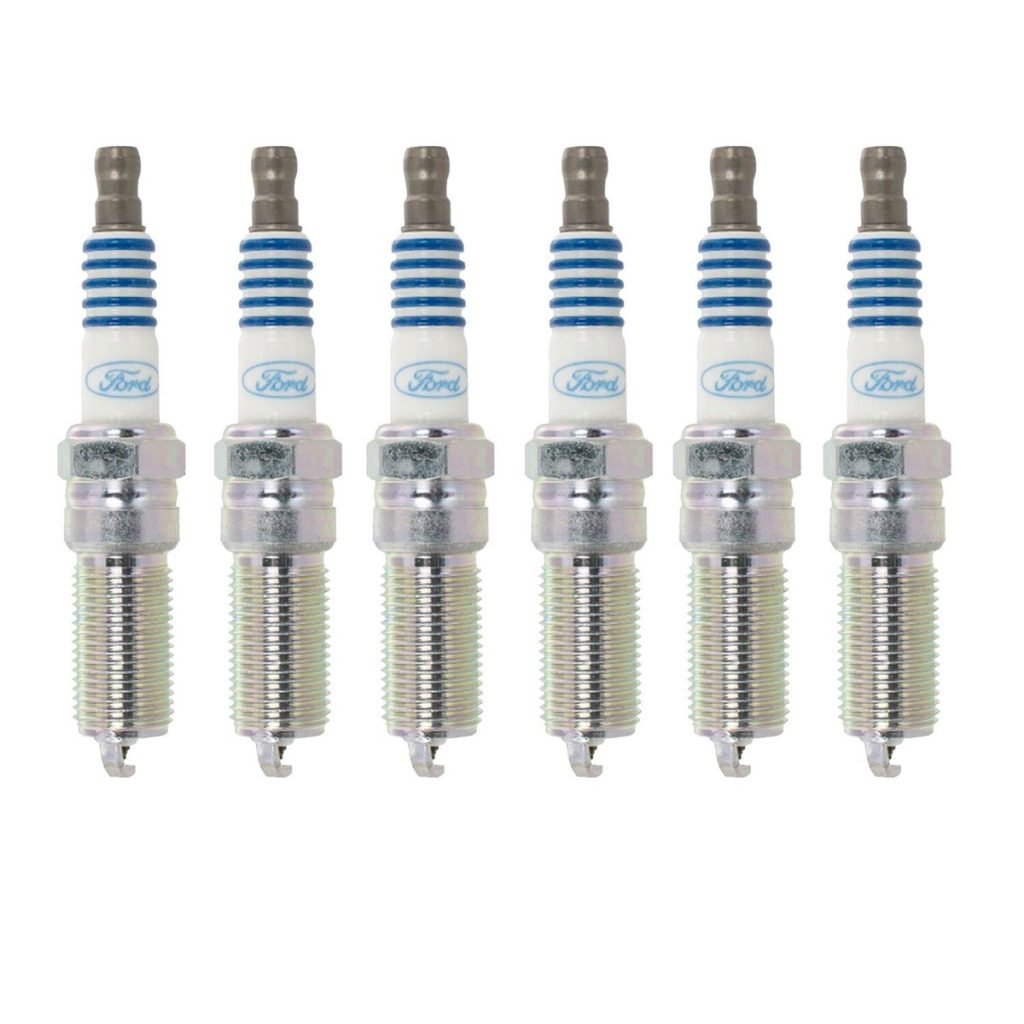
Ever popped the hood of your V6 engine and wondered about the magic happening inside? Well, it’s partly thanks to those small but mighty spark plugs!
They’re the unsung heroes that ignite the fuel-air mixture, powering your drive. But how many spark plugs does a V6 really need? If you’re curious or just want to ensure your engine is running smoothly, you’re in the right place.
Imagine the confidence you’ll feel knowing exactly what your engine needs, and how this simple knowledge can save you time and money. Stick around, and let’s unravel the mystery together, giving you the insights to keep your car in top shape.
V6 Engine Basics
The V6 engine is a popular choice for many drivers because it balances power and efficiency. Understanding the basics of this engine type can help you make smarter decisions about maintenance, like knowing how many spark plugs it needs. Let’s break down the key features that define a V6 engine.
Engine Configuration
The term “V6” refers to the engine’s shape and setup. It means the engine has six cylinders arranged in a V shape, typically at a 60 or 90-degree angle. This design makes the engine compact, fitting well in many vehicles without sacrificing power.
Because of this V layout, the engine runs smoothly and delivers good performance. You might notice better acceleration and fuel efficiency compared to larger engines. Have you ever wondered why some cars feel more responsive even with smaller engines? The V6 design plays a big role in that.
Cylinder Count And Layout
A V6 engine has six cylinders, split evenly into two banks of three. Each cylinder is where fuel combustion happens, powering the car. Unlike inline engines where cylinders are in a straight line, the V6’s angled layout helps reduce engine length and weight.
This setup affects how many spark plugs you’ll need. Usually, each cylinder requires one spark plug, so a V6 engine commonly uses six spark plugs. However, some engines may use two spark plugs per cylinder for better combustion and efficiency.
Knowing this can save you time and money when replacing spark plugs. Have you checked your engine’s spark plug setup lately? It’s a simple step that keeps your engine running smoothly and your ride enjoyable.

Credit: www.ebay.ca
Spark Plug Function
Spark plugs are small but vital parts of a V6 engine. They create the spark that ignites the air-fuel mix. This ignition powers the engine and keeps your car running smoothly. Understanding the spark plug’s function helps you appreciate its importance in engine performance.
Role In Combustion
Spark plugs deliver a strong electric spark inside the engine cylinder. This spark ignites the air and fuel mixture. The burning fuel creates pressure that pushes the piston down. This movement produces the engine’s power. Without spark plugs, combustion cannot start.
Impact On Engine Efficiency
A good spark plug ensures complete fuel burning. This means better fuel use and less waste. Worn or dirty spark plugs cause weak sparks. Weak sparks lead to misfires and poor fuel economy. Clean, functioning spark plugs improve engine power and reduce emissions.
Number Of Spark Plugs In V6
Understanding the number of spark plugs in a V6 engine helps with maintenance and repairs. Spark plugs ignite the air-fuel mixture inside the engine cylinders. Each cylinder typically needs one spark plug to function properly. The total number depends on the engine design and manufacturer.
Standard Setup
A standard V6 engine has six cylinders arranged in two banks of three. Most V6 engines use one spark plug per cylinder. This setup means a total of six spark plugs are required. This arrangement ensures proper ignition and smooth engine performance. It is simple and widely used in many vehicles.
Variations By Manufacturer
Some manufacturers use different spark plug setups. Certain V6 engines have two spark plugs per cylinder. This design improves combustion and reduces emissions. In these cases, the engine needs twelve spark plugs in total. Variations depend on engine type and technology used. Checking the vehicle manual helps confirm the exact number required.
Types Of Spark Plugs For V6
Choosing the right spark plugs for a V6 engine affects performance and fuel efficiency. Different types suit various driving needs and engine designs. Understanding these types helps maintain your engine better and avoid common problems.
Material Options
Spark plugs come in several materials, each with unique features. Copper plugs are common and affordable. They conduct electricity well but wear out faster. Platinum plugs last longer and resist corrosion. They offer steady performance for many miles. Iridium plugs are the most durable. They provide excellent spark and improve fuel economy. Iridium’s fine tip helps precise ignition and smoother running.
Choosing the right material depends on your vehicle and budget. Check your owner’s manual for recommended types. Using the correct material ensures the best engine performance and longevity.
Heat Range Importance
Heat range shows how fast a spark plug can remove heat from the combustion chamber. A plug too hot may cause engine knocking or pre-ignition. A plug too cold may foul quickly with carbon deposits. Each V6 engine has a specific heat range requirement.
Selecting the right heat range keeps engine temperature stable. It prevents damage and maintains smooth running. Heat range numbers vary by manufacturer. Lower numbers mean hotter plugs; higher numbers mean colder plugs. Always match the heat range to your engine’s needs for safety and efficiency.
Replacing Spark Plugs
Replacing spark plugs in your V6 engine is key to keeping it running smoothly. Over time, spark plugs wear out and can cause misfires, poor fuel economy, and rough idling. Knowing when and how to replace them can save you from expensive repairs and boost your car’s performance.
Signs Of Wear
How do you know it’s time to replace your spark plugs? Look out for a few common signs:
- Engine misfires:Your engine might stutter or hesitate during acceleration.
- Hard starts:If your car struggles to start, old spark plugs could be the culprit.
- Poor fuel efficiency:Notice your gas mileage dropping? Worn plugs can cause incomplete combustion.
- Rough idling:Your engine may sound uneven or shake when idling.
Pay attention to these signals. They tell you that your spark plugs are struggling and need attention.
Recommended Intervals
How often should you replace spark plugs in a V6 engine? Most manufacturers suggest changing them every 30,000 to 100,000 miles, depending on the type of plugs used.
| Spark Plug Type | Recommended Replacement Interval |
|---|---|
| Copper | 20,000 to 30,000 miles |
| Platinum | 60,000 to 100,000 miles |
| Iridium | 100,000 miles or more |
Check your vehicle’s manual for exact recommendations. Sticking to these intervals helps avoid unexpected breakdowns and keeps your V6 engine firing on all cylinders.

Credit: www.amazon.ca
Effects On Engine Performance
Understanding how many spark plugs a V6 engine uses is essential, but knowing how this affects your engine’s performance can make a real difference. The number and quality of spark plugs directly influence how efficiently your engine runs and how smoothly it delivers power. Let’s look closer at these effects and what they mean for your driving experience.
Fuel Efficiency
Spark plugs ignite the air-fuel mixture inside each cylinder. If your V6 engine has the right number of spark plugs, this ignition happens more reliably and quickly.
This means the engine burns fuel more completely, reducing waste. Have you noticed your fuel gauge dropping faster after a spark plug change? That’s because worn or incorrect spark plugs can cause incomplete combustion, making your engine consume more fuel than necessary.
Keeping your spark plugs in good shape helps you get the most miles per gallon. It’s a small fix that can save you money at the pump over time.
Power And Smoothness
Power delivery depends heavily on timely and strong sparks in the cylinders. If your V6 engine doesn’t have enough spark plugs, or if they’re faulty, you might feel the engine hesitate or jerk during acceleration.
Proper spark plug function ensures each cylinder fires evenly, which keeps the engine running smoothly. You might not always notice a slight misfire, but it can reduce your engine’s overall power output.
When your engine runs smoothly, you get better control and a more enjoyable drive. Think about the last time you felt your car respond perfectly to the gas pedal—spark plugs played a big role in that.
Common Issues With Spark Plugs
Spark plugs are small components, but they play a huge role in your V6 engine’s performance. If they start acting up, you’ll notice changes in how your car runs. Knowing the common issues with spark plugs helps you catch problems early and keep your engine firing smoothly.
Misfires
Misfires happen when the spark plug fails to ignite the fuel-air mix properly. This can cause your engine to run rough, lose power, or even stall. Have you ever felt your car hesitate or jerk during acceleration? That could be a sign of a misfire.
Several factors lead to misfires, including worn electrodes or incorrect spark plug gaps. If your spark plugs are old or dirty, they might not create a strong enough spark. Checking and replacing spark plugs on time can stop misfires before they damage other engine parts.
Carbon Buildup
Carbon buildup on spark plugs is a common issue, especially if you often drive short distances or use poor-quality fuel. This black, sooty deposit blocks the spark plug’s surface and weakens its spark. Your engine might start running less efficiently or have trouble starting at all.
Cleaning spark plugs can sometimes help, but if the carbon deposits are heavy, replacement is best. Ask yourself: when was the last time you checked your spark plugs? Regular inspection can prevent carbon buildup from sneaking up on your V6 engine.
Credit: www.ebay.ca
Tips For Choosing Spark Plugs
Choosing the right spark plugs for your V6 engine can be more complex than it seems. The spark plugs influence engine performance, fuel efficiency, and longevity. Understanding what to look for helps you avoid costly mistakes and keeps your vehicle running smoothly.
Compatibility
Not every spark plug fits every V6 engine. Always check your vehicle’s manual or manufacturer recommendations before buying. Installing incompatible plugs can cause misfires or damage.
Consider the heat range of the spark plug. A plug that is too hot or too cold can affect engine temperature and performance. If you’ve ever experienced rough idling or poor acceleration, the wrong heat range might be the cause.
Also, look at the thread size and reach to ensure the spark plug seats correctly in the cylinder head. This prevents compression leaks and engine knocking.
Quality And Brand
Cheap spark plugs might save money upfront but often fail sooner and can damage your engine. Investing in a trusted brand means better materials and consistent quality.
Brands like NGK, Bosch, and Denso have proven their reliability over years of use. I once switched to a lesser-known brand to save a few bucks and ended up replacing plugs twice within a year—costing me more in the long run.
Look for plugs made from durable materials like iridium or platinum. These last longer and improve ignition efficiency, giving your V6 smoother starts and better fuel economy.
Frequently Asked Questions
How Many Spark Plugs Does A V6 Engine Need?
A V6 engine typically requires six spark plugs. Each cylinder has one spark plug to ignite the air-fuel mixture. This setup ensures efficient combustion and optimal engine performance.
Can A V6 Engine Run With Fewer Spark Plugs?
Running a V6 with fewer spark plugs is not recommended. Missing spark plugs cause misfires, reduce power, and increase fuel consumption. Always use the correct number for smooth operation.
Why Do V6 Engines Use Six Spark Plugs?
V6 engines have six cylinders, and each needs one spark plug. This design helps ignite fuel in each cylinder for balanced power and efficiency.
How Often Should Spark Plugs Be Replaced In A V6?
Spark plugs in a V6 should be replaced every 30,000 to 100,000 miles. Replacement depends on spark plug type and vehicle manufacturer recommendations.
Conclusion
A V6 engine uses six spark plugs, one for each cylinder. These plugs help start the engine and keep it running smoothly. Changing spark plugs on time improves fuel efficiency and engine life. Always check your vehicle manual for the right spark plug type.
Regular care keeps your car healthy and saves money. Simple steps make a big difference in car performance. Remember, six spark plugs are key to your V6 engine’s power.





