Are you wondering how much you should budget for replacing your spark plugs? You’re not alone.
Understanding the cost of spark plugs can feel like a mystery, but it doesn’t have to be. Whether you’re a car enthusiast or just trying to keep your vehicle running smoothly, knowing what to expect can save you time, money, and unnecessary stress.
We’ll break down the costs, explore what affects pricing, and help you make informed decisions without breaking the bank. Stay with us to discover how a small investment in spark plugs can lead to big savings on the road.
Credit: www.autozone.com
Spark Plug Price Range
Understanding the spark plug price range helps you decide what fits your budget and vehicle needs. Prices can vary widely based on the material, brand, and performance features. Knowing your options prevents overspending and ensures you get the right spark plugs for your car.
Budget Options
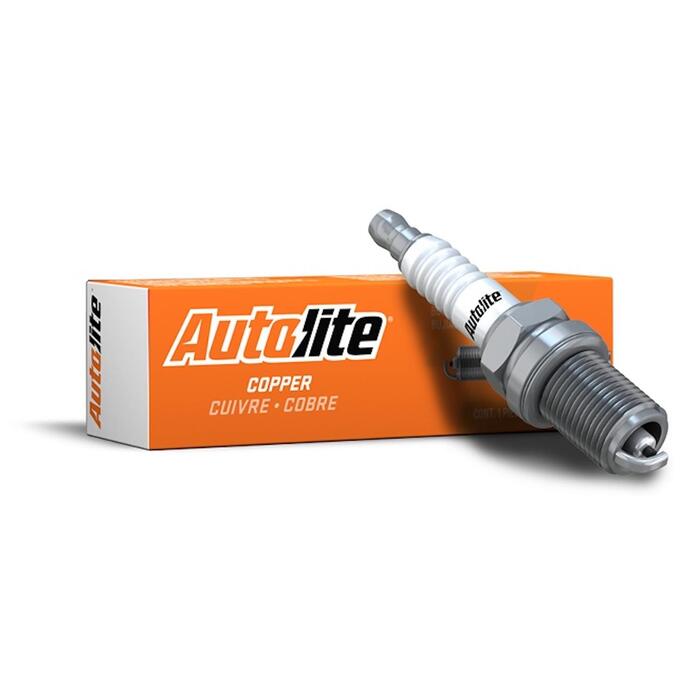
Budget spark plugs usually cost between $2 and $8 each. These are often made from copper or basic nickel alloys. They work well for older or less demanding engines but may wear out faster.
If you drive a daily commuter or an older vehicle, budget options might be enough. Have you noticed how frequently you replace your spark plugs? Cheaper plugs might mean more frequent changes, adding up in the long run.
Mid-range Choices
Mid-range spark plugs typically cost from $8 to $15 each. These often use platinum or double platinum materials, offering better durability and performance than budget options. They strike a balance between cost and longevity.
If you want something reliable without breaking the bank, mid-range plugs are a solid choice. They usually provide smoother starts and improved fuel efficiency, which you might appreciate on longer drives.
Premium Models
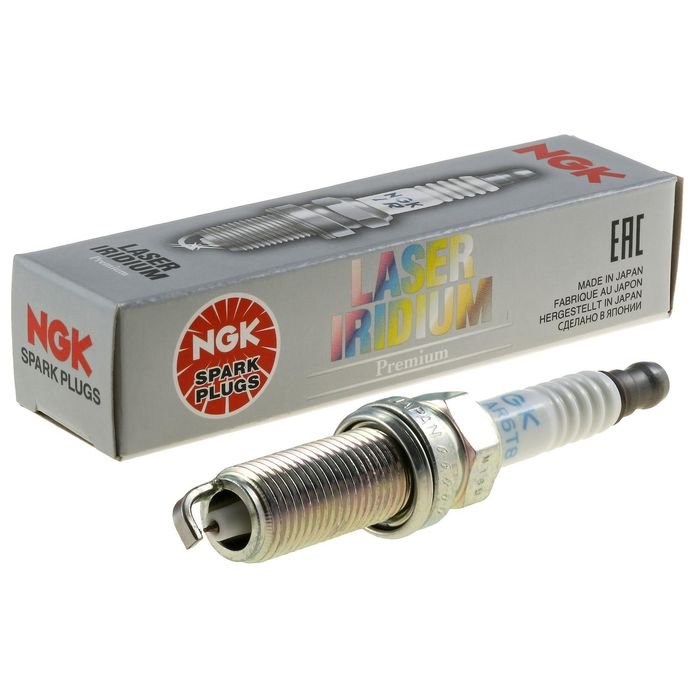
Premium spark plugs can cost $15 to $30 or more per plug. These are often made with iridium or other high-performance materials. They last longer and provide optimal ignition and engine efficiency.
Do you push your vehicle hard or own a high-performance car? Premium spark plugs can make a noticeable difference in engine response and fuel economy. They might seem expensive upfront, but the extended lifespan often justifies the cost.
Factors Affecting Cost
Understanding the factors that affect spark plug costs can help you make smarter choices when replacing them. Prices can vary widely depending on several key elements. Knowing what influences these prices lets you balance quality and budget effectively.
Material Type
The material used in a spark plug greatly impacts its price. Copper plugs are usually the cheapest but wear out faster. Iridium and platinum plugs cost more but last longer and improve engine performance.
For example, iridium spark plugs can cost two to three times more than copper ones, but they often save money in the long run by reducing the frequency of replacements. Are you willing to pay extra upfront for better durability?
Brand Influence
Well-known brands often charge higher prices. They invest in research and quality control, which can lead to more reliable spark plugs. However, lesser-known brands may offer good quality at a lower price.
Choosing a trusted brand can give you peace of mind, but it’s worth checking reviews and warranties before deciding. Would you prefer to save money now or avoid potential issues later?
Vehicle Compatibility
Your vehicle’s make and model affect the cost of spark plugs. Some cars require specialized plugs that are more expensive due to unique designs or performance needs. Luxury and high-performance vehicles often need premium plugs.
Checking your owner’s manual or consulting a mechanic helps ensure you pick the right spark plug without overspending. How much does your vehicle’s compatibility influence your buying decision?
Cost Comparison By Spark Plug Type
Understanding the cost differences between spark plug types helps in choosing the right one. Each type offers unique benefits and price points. This section breaks down the costs for copper, platinum, and iridium spark plugs.
Copper Spark Plugs
Copper spark plugs are the most affordable option. They use a solid copper core for better conductivity. Typically, prices range from $2 to $5 per plug. Copper plugs wear out faster and need more frequent replacement. They suit older cars or models that do not demand high performance.
Platinum Spark Plugs
Platinum spark plugs cost more due to their durability. Prices usually fall between $10 and $20 per plug. The platinum tip lasts longer than copper. These plugs offer better performance and fuel efficiency. They fit modern vehicles requiring moderate longevity and reliability.
Iridium Spark Plugs
Iridium spark plugs have the highest price but the longest life. They often cost $15 to $30 per plug. The iridium tip is very strong and resists wear. These plugs improve ignition and engine performance. Ideal for high-performance or newer cars needing long-term value.

Credit: www.reddit.com
Installation Expenses
Understanding the installation expenses for spark plugs can help you budget better for your vehicle maintenance. The total cost depends largely on whether you choose to do it yourself or hire a professional. Each option has its own set of costs and benefits that you should consider before making a decision.
Diy Installation Savings
Installing spark plugs yourself can save you a significant amount of money. Most spark plugs cost between $10 and $20 each, and if your car needs four, that’s around $40 to $80 for parts.
When you do the installation yourself, you avoid labor charges that can double or triple the cost. However, you’ll need basic tools like a spark plug socket and a gap gauge, which might be an upfront investment if you don’t already own them.
Think about your comfort level with car maintenance. Have you ever changed your spark plugs? If not, this might be a good opportunity to learn a valuable skill and save money at the same time.
Professional Service Costs
Getting spark plugs installed by a professional usually costs between $50 and $150 in labor fees, depending on the vehicle and location. This is on top of the price of the spark plugs themselves.
Professionals ensure the job is done quickly and correctly, which can prevent damage to your engine. If your engine is hard to reach or requires special tools, expect higher labor costs.
Ask yourself: is the convenience and peace of mind worth the extra cost? For many, paying a professional is a smart choice that saves time and potential headaches down the road.
Longevity And Value
Understanding the longevity and value of spark plugs can save you money and hassle over time. Spark plugs vary widely in how long they last, which directly impacts how often you need to replace them. Knowing the lifespan and cost efficiency helps you make smarter choices for your vehicle and budget.
Lifespan Of Different Types
Spark plugs come in several types, each with a different lifespan:
- Copper:Typically last around 20,000 to 30,000 miles.
- Platinum:Can last between 60,000 and 100,000 miles.
- Iridium:Known for durability, often lasting 100,000 miles or more.
Choosing a spark plug type is about balancing upfront cost against how long it lasts. If you drive a lot, an iridium plug might save you time and money in the long run despite its higher price.
Cost Per Mile Analysis
Let’s break down the true cost of spark plugs by looking at cost per mile. For example, if a copper plug costs $5 and lasts 25,000 miles, your cost per mile is $0.0002.
| Type | Average Cost (per plug) | Lifespan (miles) | Cost per Mile |
|---|---|---|---|
| Copper | $5 | 25,000 | $0.0002 |
| Platinum | $12 | 80,000 | $0.00015 |
| Iridium | $20 | 100,000 | $0.0002 |
Notice that platinum plugs can offer a lower cost per mile than copper, even though they are more expensive upfront. Iridium plugs match copper in cost per mile but last far longer, meaning fewer replacements and less labor over time.
Have you thought about how often you replace your spark plugs? Your driving habits might make a higher upfront investment more valuable. What’s your priority: saving money now or reducing hassle later?
Where To Buy Spark Plugs
Finding the right place to buy spark plugs can save you time and money. Different sellers offer varying prices, brands, and levels of expertise. Knowing where to shop helps you get the best deal without compromising quality.
Online Retailers
Online stores like Amazon, AutoZone, and RockAuto offer a wide range of spark plugs at competitive prices. You can easily compare brands and read customer reviews to decide which spark plug suits your vehicle.
Shopping online means convenience—you avoid driving around and can order anytime. However, double-check that the spark plugs match your car’s make and model before buying.
Auto Parts Stores
Local auto parts stores such as NAPA Auto Parts or O’Reilly Auto Parts provide the advantage of expert advice. Staff can help you pick the right spark plug and even suggest installation tips.
You get the product immediately without waiting for shipping. Plus, some stores offer warranties or return policies that protect your purchase.
Dealerships
Car dealerships sell spark plugs specifically designed for your vehicle’s brand. This ensures perfect compatibility and can maintain warranty coverage.
Dealership prices tend to be higher, but you gain peace of mind knowing the part meets manufacturer standards. If you want a hassle-free, guaranteed fit, dealerships are a solid choice.
Tips To Save On Spark Plugs
Saving money on spark plugs doesn’t have to be complicated. Small decisions can add up to big savings over time. Knowing where and how to buy can make a noticeable difference in your vehicle maintenance budget.
Buying In Bulk
Buying spark plugs in bulk often lowers the price per unit. If you own multiple vehicles or plan on changing plugs regularly, purchasing packs of four or more can be cost-effective.
Consider splitting the cost with a friend or family member who also needs spark plugs. This way, you both benefit from bulk discounts without overstocking.
Seasonal Discounts
Keep an eye out for seasonal sales, especially during holiday weekends or end-of-year clearance events. Many auto parts stores offer promotions that can cut costs significantly.
Sign up for newsletters from your favorite retailers to get early alerts on discounts. You might find deals that aren’t advertised widely.
Choosing The Right Plug
Not all spark plugs are created equal, and picking the right one for your engine can save you money in the long run. Using a plug that matches your vehicle’s specifications prevents premature wear and potential engine issues.
Ask yourself: does your car require a premium plug, or will a standard one work fine? Sometimes, a less expensive plug performs just as well depending on your driving habits.
Credit: www.alibaba.com
Frequently Asked Questions
How Much Do Spark Plugs Usually Cost?
Spark plugs typically cost between $10 and $30 each. Prices vary by brand, type, and vehicle compatibility. Premium or performance plugs can cost more. Buying in sets often reduces the per-unit price, saving money over time.
Are Expensive Spark Plugs Worth The Cost?
Expensive spark plugs offer better durability and performance. They last longer and improve fuel efficiency slightly. For daily driving, mid-range plugs suffice. High-performance vehicles benefit most from premium spark plugs.
How Often Should Spark Plugs Be Replaced?
Spark plugs should be replaced every 30,000 to 100,000 miles. Replacement intervals depend on plug type and vehicle manufacturer recommendations. Regular checks help maintain engine efficiency and prevent misfires.
Can I Replace Spark Plugs Myself?
Yes, spark plug replacement is doable with basic tools and knowledge. Follow your vehicle’s manual for correct procedures and torque settings. If unsure, professional installation is recommended to avoid damage.
Conclusion
Spark plug costs vary by type and brand. Basic spark plugs cost less, while premium ones are pricier. Installation fees may add to the total cost. Regular replacement helps your engine run smoothly and saves money. Knowing prices helps you plan car maintenance better.
Choose spark plugs that fit your vehicle and budget. Keep your car healthy with timely spark plug changes. Simple, affordable steps protect your engine’s performance.





