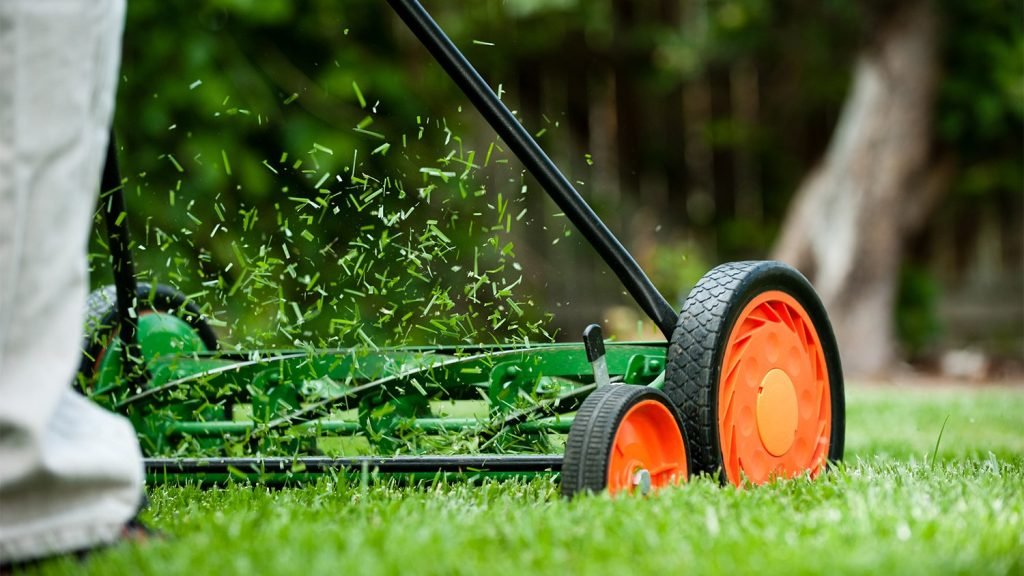
Are you considering making a switch to a manual lawn mower? You might wonder if these old-school tools can really get the job done.
With so many high-tech options available, it’s easy to overlook the humble manual mower. Yet, there’s a growing buzz about their effectiveness and benefits. Could a manual mower be the secret to a healthier lawn and a happier you? We’ll dive into the world of manual lawn mowers and uncover why they might just be the perfect fit for your yard.
Stick around, and you might find yourself rethinking the way you tackle lawn care.
Benefits Of Manual Lawn Mowers
Manual lawn mowers offer several benefits that make them a smart choice for many homeowners. They combine simplicity with efficiency, allowing you to maintain your lawn without unnecessary hassle. Understanding these benefits can help you decide if a manual mower fits your lawn care needs.
Eco-friendly Operation
Manual lawn mowers run without gas or electricity, which means zero emissions during use. This makes them an excellent option for reducing your carbon footprint while keeping your yard neat. If you care about the environment, choosing a manual mower helps you contribute to cleaner air and less pollution.
Cost Savings
Using a manual lawn mower saves money in several ways. You avoid the ongoing expenses of fuel, oil, or electricity bills that come with powered mowers. Additionally, manual mowers are usually cheaper to buy and have fewer parts that can break, saving you repair costs over time.
Quiet Performance
One of the biggest advantages of manual mowers is how quiet they are. You won’t disturb your neighbors or yourself with loud engine noise. This makes mowing early in the morning or late in the evening much more pleasant and less stressful.
Low Maintenance Needs
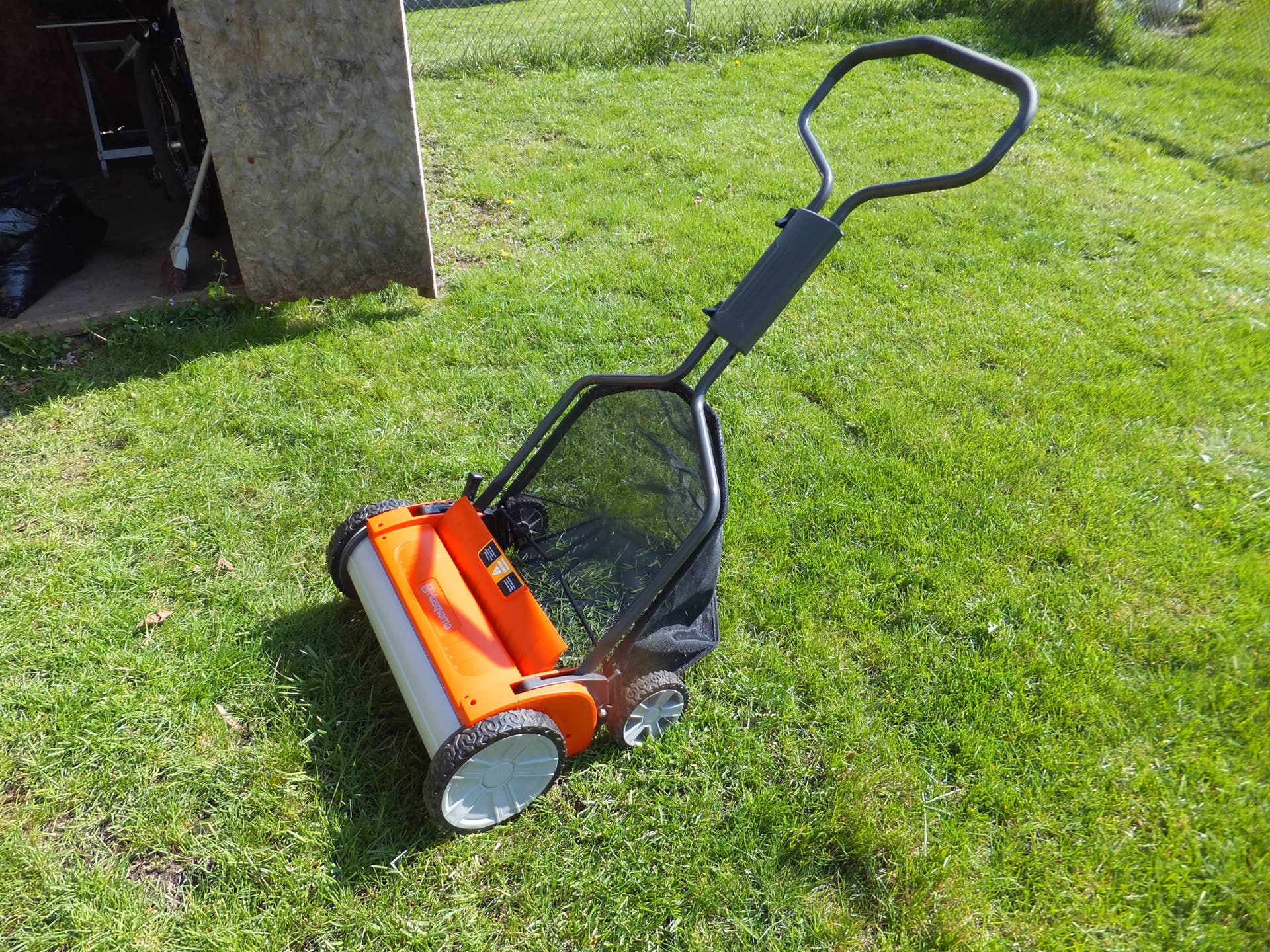
Manual mowers have simple designs with fewer moving parts, so they require minimal upkeep. You won’t need to change oil, replace spark plugs, or clean air filters. Just regular blade sharpening and occasional cleaning keep them running smoothly for years.
Credit: dengarden.com
Limitations To Consider
Manual lawn mowers offer a simple and eco-friendly way to cut grass. Still, some limits can affect their performance and ease of use. Knowing these limits helps you choose the right tool for your lawn size and type. Here are key points to keep in mind.
Physical Effort Required
Manual mowers need more physical strength than electric or gas mowers. Pushing the mower requires continuous effort, especially on uneven ground. This can tire users quickly, making it less ideal for people with limited mobility.
Suitability For Large Lawns
Manual mowers work best on small to medium lawns. Covering a large area takes much time and energy. For big lawns, these mowers might not be practical or efficient.
Cutting Height Adjustments
Many manual mowers have limited options to change cutting height. This restricts how short or tall you can keep your grass. Some models offer only a few preset heights, which may not suit all lawn types.
Handling Thick Or Wet Grass
Thick or wet grass can clog manual mowers easily. The blades may struggle to cut cleanly, leading to uneven results. Wet conditions also make pushing the mower harder and less safe.
Comparing Manual And Powered Mowers
Choosing between manual and powered lawn mowers depends on various factors. Each type offers unique benefits and drawbacks. Understanding these differences helps make a smart choice for your lawn care needs. Below is a detailed comparison covering key aspects like efficiency, environment, noise, and costs.
Efficiency And Speed
Powered mowers cut grass quickly with less physical effort. They handle large lawns in shorter times. Manual mowers require more effort and take longer. They work best on small or medium lawns. Precision cutting is easier with manual mowers. Powered mowers may miss uneven spots or edges.
Environmental Impact
Manual mowers produce no emissions and use no fuel. They are eco-friendly and silent. Powered mowers run on gas or electricity. Gas mowers emit pollutants harmful to air quality. Electric mowers are cleaner but still use electricity. Manual mowers help reduce your carbon footprint.
Noise Levels
Manual mowers operate almost silently. They cause little to no noise pollution. Powered mowers generate loud engine sounds. Noise can disturb neighbors and wildlife. Manual mowers suit quiet neighborhoods or noise-sensitive areas. They allow mowing early morning or late evening.
Long-term Costs
Manual mowers have low upfront costs and minimal maintenance. No fuel or electrical bills are needed. Powered mowers cost more to buy and maintain. Fuel, oil changes, and repairs add expenses. Manual mowers save money over time. Powered mowers offer convenience but at higher costs.
Choosing The Right Manual Mower
Choosing the right manual mower makes lawn care easier and more efficient. A good mower cuts grass cleanly and feels comfortable to use. Focus on key features that affect performance and ease of use. This helps find a mower that fits your lawn size and strength.
Blade Quality And Design
Sharp blades cut grass evenly and reduce damage. Look for blades made from strong steel that stay sharp longer. A well-designed blade ensures smooth rolling and clean cuts. This lowers the effort needed to push the mower.
Adjustable Features
Height adjustment lets you set the cutting length for different grass types. Some mowers have handles that adjust to your height. This reduces strain on your back and arms. Adjustable features improve comfort and cutting results.
Weight And Maneuverability
Lightweight mowers are easier to push and turn around. Consider the mower’s weight against your strength. Wheels should roll smoothly over uneven ground. Good maneuverability saves energy and time while mowing.
Brand Reputation
Choose brands known for quality and durability. Check customer reviews to see real user experiences. Reliable brands offer better warranty and customer support. Trusted names usually have better parts and build quality.
Maintenance Tips For Longevity
Keeping your manual lawn mower in top shape doesn’t have to be a chore. With a few simple maintenance habits, you can extend its life and keep it cutting smoothly season after season. Let’s look at key tips that help you get the most out of your mower.
Blade Sharpening
Sharp blades are essential for a clean cut and a healthy lawn. Dull blades tear grass, making your lawn look ragged and vulnerable to disease.
Sharpen your mower blades at least twice a year, or more often if you mow frequently. You can use a sharpening stone or a rotary tool—just be sure to wear gloves and follow safety precautions.
Ever noticed how your mowing feels harder when blades are dull? Keeping them sharp reduces effort and improves results. Why not check your blades today?
Cleaning After Use
Grass clippings and dirt can build up on your mower, causing rust and affecting performance. Cleaning your mower after each use helps prevent these issues.
Use a brush or cloth to remove debris from the blades and wheels. Avoid using water directly on metal parts to prevent rusting.
Try making cleaning a quick habit after mowing. You’ll find your mower runs smoother and lasts longer, saving you time and money.
Storage Recommendations
Proper storage protects your mower from weather damage and keeps it ready for action. Store your mower in a dry, sheltered spot such as a garage or shed.
If you don’t have indoor space, consider a waterproof cover to shield it from rain and sun. Always store it with blades facing down or on a stand to prevent dulling.
Ask yourself: Is your mower getting the care it needs between uses? Proper storage is a small step that pays off big.
Regular Inspections
Routine checks can catch small problems before they turn into costly repairs. Look over the mower’s frame, wheels, and blades regularly for signs of wear or damage.
Pay attention to loose bolts, bent parts, or unusual noises during mowing. Tighten or replace parts as needed to keep everything running smoothly.
Have you inspected your mower this month? A little attention now can prevent frustration later.

Credit: www.familyhandyman.com
User Experiences And Feedback
User experiences and feedback provide valuable insights into how manual lawn mowers perform in real-life situations. Hearing directly from users helps you understand the strengths and weaknesses beyond product descriptions. This feedback can guide you in deciding if a manual mower fits your lawn care needs and lifestyle.
Positive Reviews
Many users praise manual lawn mowers for their quiet operation and environmental friendliness. Without a gas engine, they don’t produce noise or harmful emissions, making your mowing experience peaceful and eco-conscious.
Several reviewers mention how lightweight and easy these mowers are to handle, especially in small to medium-sized yards. The simplicity of pushing a manual mower appeals to people who want exercise while maintaining their lawn.
One user shared how switching to a manual mower reduced their maintenance costs significantly. No gas, no oil changes, and fewer parts to repair means less hassle and more savings.
Common Complaints
Some users find manual mowers challenging to use on tall or thick grass. The cutting blades can struggle, requiring multiple passes or even manual trimming afterward.
Another frequent issue is the physical effort needed, especially for larger lawns or uneven terrain. People with limited strength or mobility may find manual mowers tiring or impractical.
Occasionally, users mention durability concerns, especially with budget models. Parts like wheels and blades might wear out faster, leading to frustration and replacement costs.
Ideal User Profiles
- Small yard owners:If your lawn is under 1/4 acre, a manual mower offers a simple and effective solution.
- Eco-conscious gardeners:You’ll appreciate the zero emissions and quiet operation.
- Fitness enthusiasts:Combining yard work with light exercise can be a plus.
- Those on a budget:Low maintenance and no fuel costs help you save money in the long run.
- People with mobility limitations:A manual mower might not be the best choice if pushing it causes discomfort or strain.
Does your lawn size and personal fitness level align with these profiles? Understanding where you fit can help you decide if a manual mower is worth trying for your yard.

Credit: www.bobvila.com
Frequently Asked Questions
Are Manual Lawn Mowers Effective For Small Yards?
Yes, manual lawn mowers work well for small yards. They are lightweight, easy to maneuver, and require no fuel. They provide a clean cut and are environmentally friendly, making them ideal for maintaining small lawn areas efficiently.
How Do Manual Mowers Compare To Gas Mowers?
Manual mowers are quieter, eco-friendly, and cost-effective. They need no fuel or electricity and have lower maintenance. However, they require more physical effort and are best suited for small to medium lawns, unlike gas mowers which handle larger areas more easily.
Are Manual Lawn Mowers Better For The Environment?
Yes, manual mowers produce zero emissions and use no fuel. They reduce noise pollution and have a smaller carbon footprint. This makes them an eco-friendly choice for sustainable lawn care compared to gas or electric mowers.
Can Manual Mowers Handle Tall Or Thick Grass?
Manual mowers can cut tall or thick grass but may require more effort. Regular mowing prevents grass from growing too tall, making it easier to manage. For very thick or overgrown areas, a powered mower might be more efficient.
Conclusion
Manual lawn mowers offer a simple way to keep grass neat. They need no fuel or electricity, saving money and energy. Quiet and light, they cause less noise and are easy to use. Great for small yards or eco-friendly gardens.
Still, they need physical effort and regular blade care. Choosing one depends on your lawn size and personal needs. A manual mower can be a good choice for many homeowners. It keeps your lawn trimmed without much hassle or cost.
Simple, effective, and green.





