
Are you ready to boost your car’s performance without breaking the bank? Changing your spark plugs is one of the simplest and most effective ways to keep your engine running smoothly.
You don’t need to be a mechanic to do it yourself; you just need the right guidance. Imagine the satisfaction of knowing that you’ve saved money and enhanced your vehicle’s efficiency with your own two hands. In this guide, you’ll learn step-by-step how to change your spark plugs safely and efficiently.
Stick with us, and you’ll discover the secrets to a smoother ride and a more powerful engine. Ready to get started? Let’s dive in!
Signs Of Worn Spark Plugs
Worn spark plugs affect your engine’s performance and fuel use. They cause several problems that make your car run poorly. Spotting these signs early helps you fix the issue before it worsens. Here are some common signs of worn spark plugs.
Engine Misfires
Your engine may misfire if spark plugs wear out. Misfires feel like the engine is shaking or hesitating. The car might jerk while driving or lose power suddenly. This happens because the spark plugs fail to ignite the fuel properly.
Poor Fuel Efficiency
Old spark plugs cause your engine to burn more fuel. You will notice you need to fill the gas tank more often. Poor fuel efficiency means your car uses extra fuel for the same distance. This wastes money and harms the environment.
Difficulty Starting
Worn spark plugs make it hard for the engine to start. Your car may take longer to start or fail to start at all. The spark plugs struggle to create a strong spark. This weak spark slows down or stops the ignition process.
Tools And Materials Needed
Changing spark plugs requires a few specific tools and materials. Having the right items makes the task easier and safer. Each tool plays a key role in removing old plugs and installing new ones properly.
Gather all tools before starting to avoid interruptions. Prepare a clean workspace with good lighting. Keep your car’s manual nearby for any special notes.
Spark Plug Socket
A spark plug socket fits snugly around the plug for easy removal. It has a rubber insert or magnet to hold the plug securely. Choose the right size to avoid damaging the plugs or threads.
Ratchet Wrench
The ratchet wrench turns the spark plug socket smoothly. It helps loosen and tighten plugs without slipping. A wrench with an extension bar can reach deep-set spark plugs.
Gap Gauge
Use a gap gauge to check and set the spark plug gap. The gap affects engine performance and fuel efficiency. A small feeler gauge or wire gauge works well for measuring gaps.
Torque Wrench
A torque wrench ensures spark plugs are tightened to the right pressure. Over-tightening can damage threads, while loose plugs may cause misfires. Follow the vehicle’s torque specifications exactly.
Replacement Spark Plugs
Choose replacement spark plugs that fit your vehicle model. Check the heat range and electrode type. New plugs improve engine start, fuel use, and emissions.
Preparing Your Vehicle
Getting your vehicle ready before changing the spark plugs is crucial for a smooth and safe process. Taking the right steps early can save you from frustration and potential injury. Let’s walk through the essential preparations that set you up for success.
Cool Down The Engine
Never attempt to change spark plugs when the engine is hot. Hot engines can cause burns and make spark plugs difficult to remove. Let your vehicle sit for at least 30 minutes after driving, or until the engine feels cool to the touch.
Think about it: would you want to handle glowing hot metal? Giving the engine time to cool down protects your hands and prevents damage to spark plug threads.
Locate The Spark Plugs
Finding the spark plugs might be easier than you expect. Open your vehicle’s hood and look for the spark plug wires or ignition coils. These usually connect to the engine’s cylinder head.
If you’re unsure where exactly they are, check your vehicle’s manual or search online using your car’s make and model. Knowing the location beforehand helps avoid fumbling around and wasting time.
Clean The Area
Before you start loosening spark plugs, clean the area around them. Dirt and debris can fall into the engine’s cylinder when you remove the plugs, causing serious engine problems.
Use a soft brush or compressed air to remove dust and grime. Keeping the workspace clean ensures your new spark plugs fit perfectly and your engine stays healthy.

Credit: www.youtube.com
Removing Old Spark Plugs
Removing old spark plugs is an important step before installing new ones. It helps ensure your engine runs smoothly. Careful removal prevents damage to the spark plug threads and wires. Follow these simple actions to take out old spark plugs safely.
Disconnect Spark Plug Wires
Start by gently pulling the spark plug wire boot. Avoid pulling the wire itself to prevent damage. Wiggle the boot slightly to loosen it. Set the wires aside carefully to keep them organized. Labeling wires can help avoid confusion later.
Use Socket To Unscrew
Use a spark plug socket and ratchet to loosen the plug. Turn the socket counterclockwise to unscrew the spark plug. Keep the socket straight to avoid cross-threading. Remove the plug slowly once it is loose. Place the old plug in a safe spot for inspection.
Inspect Removed Plugs
Check the spark plugs for wear and deposits. Look for cracks, heavy carbon build-up, or oil fouling. These signs show how your engine is running. Note any unusual wear to discuss with a mechanic if needed. Clean or replace spark plugs based on their condition.
Checking And Gapping New Plugs
Checking and gapping new spark plugs is a key step before installation. Even brand-new plugs may not have the correct gap for your engine, which can lead to poor performance or misfires. Taking a few minutes to measure and adjust the gap ensures your engine runs smoothly and efficiently.
Measure The Gap
To measure the gap, you’ll need a spark plug gap tool. This small, inexpensive tool helps you check the distance between the center electrode and the ground electrode.
Simply slide the tool’s feeler gauge into the gap and see if it fits snugly. If the gauge slips in too easily or won’t fit at all, the gap needs adjustment.
Remember, the correct gap size is usually specified in your vehicle’s owner manual or on the spark plug packaging. Double-check this before proceeding.
Adjust If Necessary
If the gap is too wide, gently tap the ground electrode against a hard surface or use the tool’s adjusting feature to close it slightly.
When the gap is too narrow, carefully bend the ground electrode outward using the tool or needle-nose pliers. Be gentle to avoid damaging the plug.
After adjustment, re-measure the gap to confirm it matches the recommended size. This small step can save you from future engine troubles.
Credit: beachautomotive.com
Installing New Spark Plugs
Installing new spark plugs is a crucial part of maintaining your vehicle’s engine performance. It requires precision and care to ensure the plugs fit correctly and function efficiently. Let’s walk through the essential steps to install new spark plugs safely and effectively.
Insert And Hand-tighten
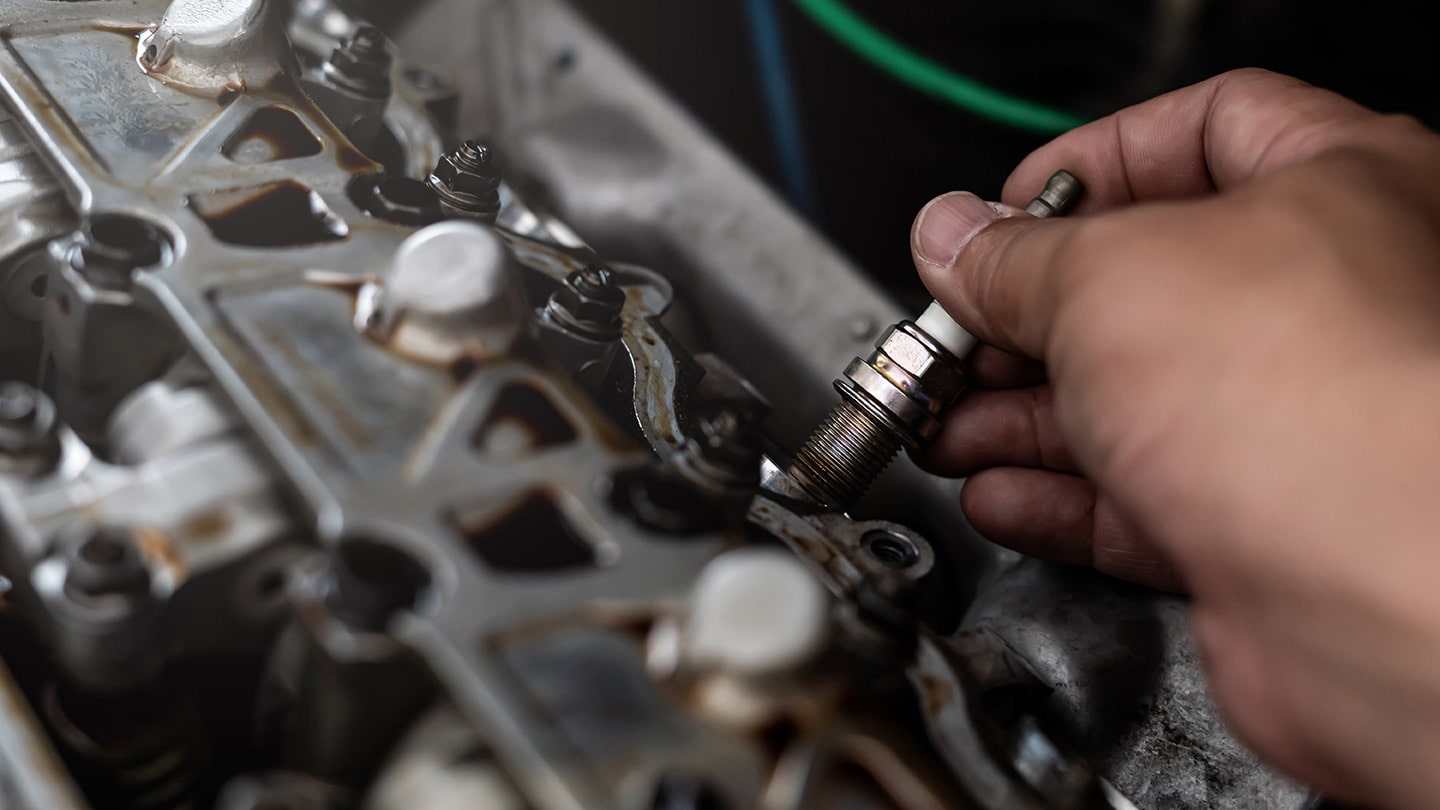
Start by carefully inserting the new spark plug into the cylinder head. Turn it gently by hand to avoid cross-threading, which can damage the threads and cause costly repairs. Hand-tightening ensures the plug is seated properly before applying any tools.
Have you ever rushed this step and ended up stripping the threads? Taking your time here saves you from that frustrating scenario.
Use Torque Wrench
After hand-tightening, switch to a torque wrench to tighten the spark plug to the manufacturer’s specified torque. Over-tightening can crack the plug or damage the cylinder head, while under-tightening may lead to poor engine performance or spark plug loosening.
Check your vehicle’s manual for the exact torque value and set your wrench accordingly. This tool gives you control and accuracy that hand-tightening alone can’t provide.
Reconnect Spark Plug Wires
Once the plugs are firmly in place, reconnect the spark plug wires or ignition coils. Make sure each wire clicks or snaps into place securely to maintain a strong electrical connection.
Mixing up the wires or leaving them loose can cause misfires and engine trouble. Double-check each connection before closing your hood to avoid a return trip to the garage.
Post-installation Tips
After changing your spark plugs, how you handle the post-installation phase can make a big difference in your vehicle’s performance and longevity. Paying close attention to what happens right after installation helps you catch any issues early and ensures your engine runs smoothly. Let’s dive into what you should do once the new spark plugs are in place.
Start Engine And Check Performance
Once the spark plugs are installed, start your engine immediately. Listen carefully for any unusual noises like knocking or sputtering, which can indicate a problem with the installation.
Feel how the engine runs. Does it idle smoothly, or does it hesitate or stall? Smooth idling is a good sign your spark plugs are firing correctly.
It’s also smart to take a short test drive. Notice if your car accelerates without lag and if the throttle response feels normal. Any hesitation or loss of power suggests you might need to recheck the spark plug connections or gaps.
Monitor For Issues
After your initial checks, keep an eye on your vehicle over the next few days. Watch for warning lights on your dashboard, especially the check engine light.
Pay attention to fuel efficiency. A sudden drop could mean the spark plugs are not performing optimally.
If you detect any rough starts, misfires, or a drop in power, don’t ignore them. These symptoms often point to incorrect spark plug installation or faulty plugs.
- Double-check the torque on each spark plug to ensure they’re tightened properly.
- Confirm that you used the right spark plug type and gap for your engine.
- Inspect ignition wires or coils connected to the plugs for damage or loose connections.
Have you ever experienced a smooth engine start that suddenly turned rough days after a plug change? That’s why monitoring your car closely after installation is crucial—it helps you catch problems before they cause bigger damage.
Credit: www.chase.com
Maintenance For Longevity
Keeping your spark plugs in great condition is key to making your vehicle run smoothly for years. Proper maintenance not only saves you from unexpected breakdowns but also improves fuel efficiency and engine performance. Let’s look at some practical tips to help you get the most out of your spark plugs.
Regular Inspection
Checking your spark plugs regularly can prevent small issues from turning into costly repairs. Look for signs like worn electrodes, heavy deposits, or cracks in the ceramic insulator. These problems can cause misfires or rough idling, which you might notice as a drop in engine power or strange noises.
Have you ever ignored a small engine hiccup, only to face a bigger problem later? Taking a few minutes to inspect your spark plugs every few months can help you catch these issues early. Use a spark plug socket and a gap gauge to check their condition and spacing.
Replacement Schedule
Following the manufacturer’s recommended replacement intervals keeps your engine running at its best. Most spark plugs need changing every 30,000 to 100,000 miles depending on the type and your driving habits. Waiting too long can cause poor fuel economy and harder starts.
Keep a record of your spark plug changes. This simple habit helps you avoid guessing and ensures you replace them on time. Think about how much smoother your car runs right after a fresh set of spark plugs—wouldn’t you want to experience that regularly?
Frequently Asked Questions
How Often Should I Change Spark Plugs?
Spark plugs typically need replacement every 30,000 to 100,000 miles. Check your vehicle’s manual for exact intervals. Regular changes ensure optimal engine performance and fuel efficiency.
What Tools Do I Need To Change Spark Plugs?
You need a spark plug socket, ratchet wrench, gap gauge, and possibly a torque wrench. These tools help remove and install spark plugs safely and correctly.
Can I Change Spark Plugs Myself Safely?
Yes, with basic mechanical skills and the right tools, you can change spark plugs safely. Follow the vehicle manual instructions and take precautions to avoid damaging engine parts.
How Do I Know If Spark Plugs Need Replacement?
Signs include engine misfires, poor fuel economy, rough idling, and difficulty starting. If you notice these symptoms, inspect or replace your spark plugs promptly.
Conclusion
Changing spark plugs helps your car run better and saves money. You only need a few tools and a little time. Follow each step carefully for safety and good results. Check your vehicle’s manual to pick the right plugs. Regular spark plug changes keep the engine smooth and fuel-efficient.
Small efforts can prevent big problems later. Try it yourself and enjoy a smoother drive. Simple, clear, and useful—just what your car needs.





