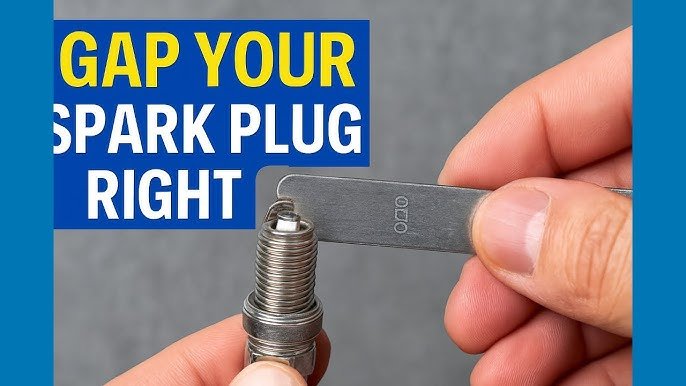
Are your engine’s spark plugs not performing as they should? Understanding how to gap spark plugs could be the key to unlocking smoother rides and better fuel efficiency.
Imagine cruising down the road with your car purring like a well-oiled machine, all because you took a few minutes to adjust the gap on your spark plugs. It’s a simple task, but it can make a world of difference in your vehicle’s performance.
You might be wondering how something so small can have such an impact. Well, the answer lies in the precision of your spark plug gap. Let’s dive into why this tiny detail is so crucial and how you can easily make this adjustment yourself. Stay with us, and you’ll soon see how mastering the art of spark plug gapping can enhance your driving experience.
Importance Of Spark Plug Gaps
Spark plug gaps play a vital role in engine performance and efficiency. The gap is the small space between the center and ground electrode. This space controls the spark that ignites the air-fuel mixture inside the cylinder. A correctly set gap ensures smooth engine running and better fuel economy.
Too wide or too narrow gaps can cause problems. Gaps that do not match the engine’s needs can lead to poor combustion. This affects power output, fuel consumption, and emissions. Checking and adjusting the gap helps maintain engine health and avoids costly repairs.
How Gap Size Affects Engine
The size of the spark plug gap affects spark strength and ignition timing. A larger gap needs more voltage to create a spark. It can improve combustion but might cause misfires if too wide. A smaller gap requires less voltage but may produce a weak spark. This weak spark can cause incomplete combustion.
Proper gap size helps the engine start easily. It also ensures smooth idling and steady acceleration. Incorrect gaps lead to rough running and lower power. Fuel efficiency drops and emissions rise with wrong gaps.
Signs Of Incorrect Gapping
- Engine misfires or stalls frequently
- Hard starting or failure to start
- Poor fuel economy and increased fuel use
- Rough idling and unusual engine noises
- Loss of engine power or hesitation during acceleration
- Increased exhaust smoke or emissions
Spotting these signs early helps prevent bigger engine issues. Regularly check spark plug gaps for best engine performance and fuel savings.
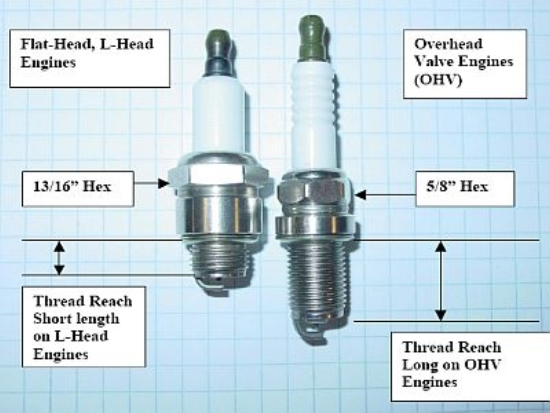
Credit: www.vanguardpower.com
Tools For Measuring And Adjusting Gaps
Measuring and adjusting spark plug gaps requires precise tools. These tools ensure the gap is just right for efficient engine performance. Choosing the correct tool makes the task simple and accurate.
Gap Gauges And Feelers
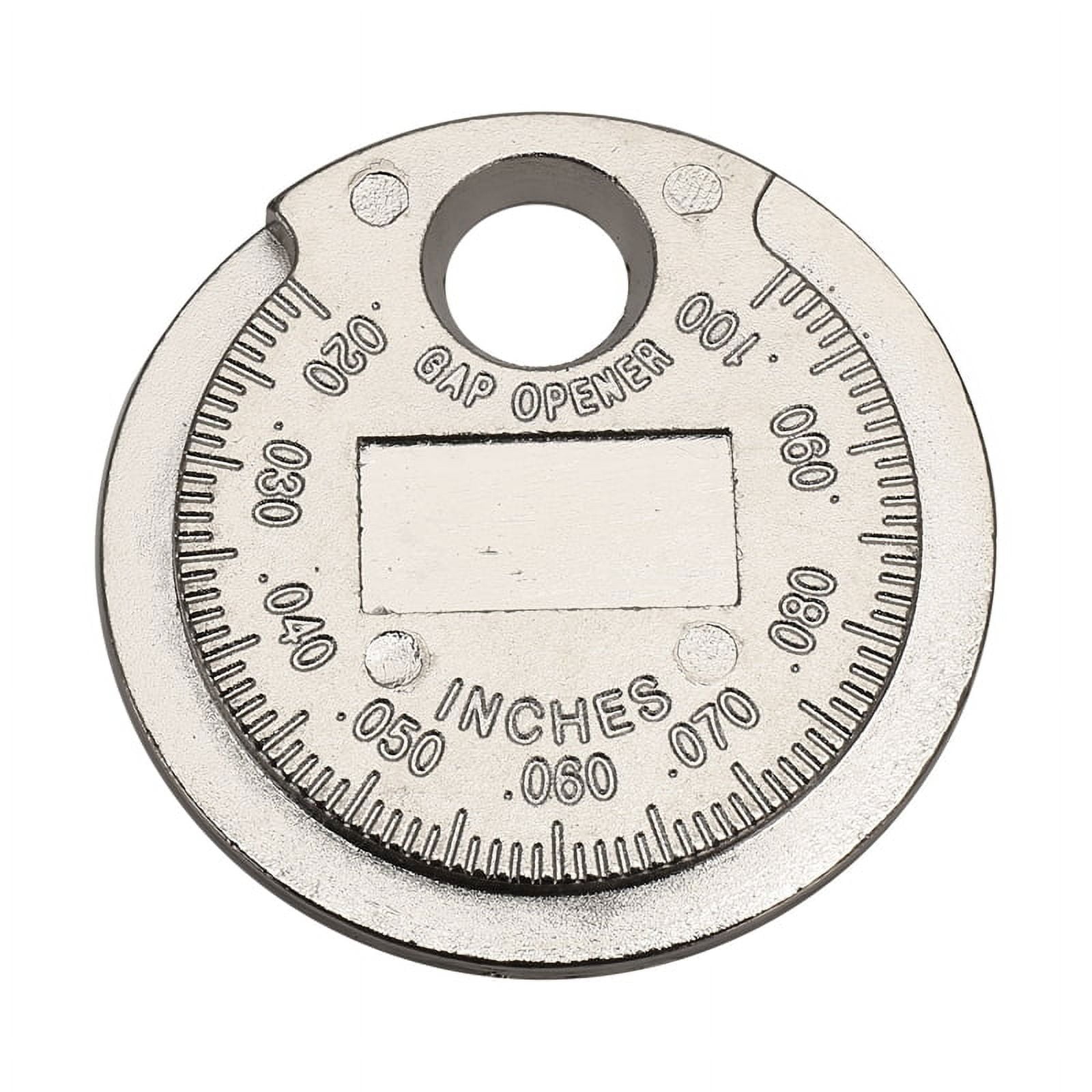
Gap gauges and feelers are common tools for checking spark plug gaps. A gap gauge often looks like a small ruler or card with different thicknesses. It helps measure the space between the spark plug’s electrodes.
Feeler gauges are thin metal strips of various thicknesses. Slide a strip into the gap to see if it fits snugly. If it’s too loose or tight, the gap needs adjustment.
Using A Spark Plug Gap Tool
A spark plug gap tool is designed to adjust the gap easily. It usually has a round wire or a small lever to bend the electrode gently. This tool helps widen or narrow the gap without damaging the plug.
To use it, place the tool in the gap and carefully bend the electrode. Check the gap again with a gauge or feeler. Repeat until the correct gap is reached.
Step-by-step Gap Adjustment
Adjusting the gap on spark plugs is crucial for optimal engine performance. Proper spacing ensures efficient ignition and fuel burning. This process involves careful removal, precise measurement, and fine-tuning to manufacturer standards.
Removing Spark Plugs Safely
Start by letting the engine cool completely. Hot engine parts can cause burns. Use a spark plug socket and a ratchet for removal. Turn counterclockwise gently to avoid damaging threads. Keep track of each spark plug’s position for reinstallation.
Measuring The Current Gap
Use a spark plug gap gauge to check the gap size. Insert the gauge between the electrode and the ground strap. The tool should slide in with slight resistance. Note the measurement and compare it to the vehicle’s specs. This step ensures accuracy before adjusting.
Adjusting To Manufacturer Specs
If the gap is too wide, gently tap the ground electrode. Use the gauge to check frequently while adjusting. If the gap is too narrow, carefully bend the electrode outward. Aim for the exact measurement specified in the manual. Avoid over-bending, which can damage the plug.
Common Mistakes To Avoid
Setting the correct gap on spark plugs is essential for engine performance. Mistakes in this process can cause poor fuel efficiency and engine problems. Avoiding common errors helps maintain smooth running and extends plug life.
Over-gapping And Under-gapping Risks
Too large a gap makes sparks weak and inconsistent. This causes misfires and rough idling. Too small a gap reduces spark strength, leading to incomplete combustion. Both affect engine power and fuel use. Always follow the manufacturer’s recommended gap size.
Handling Spark Plugs With Care
Spark plugs are delicate parts. Dropping or hitting them can damage the electrodes. Avoid touching the electrode tip with bare hands to prevent oil contamination. Use proper tools and gentle pressure when adjusting the gap. Careless handling can lead to early plug failure.
When To Replace Spark Plugs
Knowing the right time to replace your spark plugs can save you from engine troubles and improve your vehicle’s performance. Spark plugs play a crucial role in igniting the fuel-air mixture inside your engine. If they wear out or get damaged, your engine may misfire, run rough, or lose fuel efficiency.
Signs Of Wear And Damage
Watch out for rough idling, difficulty starting your car, or a noticeable drop in fuel economy. These are common signs that your spark plugs might be failing.
Physical inspection can reveal more. Look for:
- Black, oily deposits on the plug’s tip
- Worn or rounded electrodes
- Cracks in the ceramic insulator
- Excessive gap between electrodes
If you notice any of these, it’s time to replace the plugs. Ignoring these signs may lead to more expensive engine repairs.
Choosing The Right Replacement Plugs
Selecting the correct spark plug for your vehicle is just as important as recognizing when to replace them. Check your owner’s manual for the recommended type and heat range.
Options include copper, platinum, or iridium plugs. Each type offers different durability and performance benefits:
| Type | Durability | Performance | Cost |
|---|---|---|---|
| Copper | Shorter lifespan | Good conductivity | Low |
| Platinum | Moderate lifespan | Better durability | Medium |
| Iridium | Longest lifespan | Superior performance | High |
Think about your driving habits too. If you frequently drive in tough conditions or want better fuel efficiency, investing in iridium plugs might be worth it. What kind of spark plugs are you currently using, and how have they been performing?
Credit: www.walmart.com
Benefits Of Proper Spark Plug Gapping
Proper spark plug gapping plays a key role in engine performance. The gap affects how the spark ignites the fuel-air mix. Correct gapping ensures the spark is strong and consistent. This leads to better combustion and overall engine health. Small adjustments in the gap can bring noticeable benefits. Here are the main advantages of setting the right spark plug gap.
Improved Fuel Efficiency
Correct spark plug gaps help fuel burn more completely. This means less wasted fuel and more miles per gallon. The engine runs cleaner and smoother with the right gap. Proper combustion reduces emissions, making your vehicle greener. Fuel savings add up over time, lowering your running costs.
Enhanced Engine Power And Smoothness
The right gap helps the engine fire at the right moment. This creates stronger, more efficient sparks. The result is better power delivery and quicker acceleration. The engine runs more smoothly with fewer misfires. Reduced vibrations and noise make driving more comfortable.

Credit: craigscarcare.com
Frequently Asked Questions
What Is The Correct Spark Plug Gap Size?
The correct spark plug gap size depends on your vehicle’s specifications. Check your owner’s manual or manufacturer’s guide. Proper gap ensures optimal engine performance and fuel efficiency.
How Often Should I Check Spark Plug Gaps?
Check spark plug gaps every 30,000 miles or during routine maintenance. Regular checks prevent misfires and improve engine smoothness.
Can Incorrect Spark Plug Gaps Damage The Engine?
Yes, incorrect gaps can cause misfires, poor fuel economy, and engine damage. Always set gaps to manufacturer specifications for safety.
What Tools Do I Need To Gap Spark Plugs?
You need a spark plug gap gauge or feeler gauge. These tools measure and adjust the gap accurately.
Conclusion
Gapting spark plugs correctly keeps your engine running smoothly. It helps your car start easily and saves fuel. Check the gap size often to avoid engine problems. Use a gap tool to measure and adjust the spark plugs. Small changes make a big difference in engine performance.
Keep this simple step part of your car care routine. It helps your vehicle last longer and run better. Taking time to gap spark plugs is worth it. Your engine will thank you with better power and efficiency.





