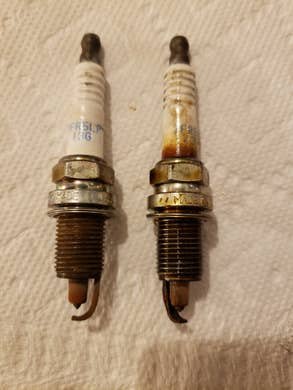
You’ve just popped the hood of your car and discovered oil on your spark plugs. It might seem like a small issue, but it could be your engine’s way of signaling for help.
This mysterious oily residue can be a symptom of several underlying problems, each potentially affecting your vehicle’s performance and lifespan. But don’t worry—understanding what this means and how to fix it could save you time, money, and stress. Are you curious about what might be happening under the hood?
Keep reading to uncover the secrets that your spark plugs might be trying to tell you. You’ll learn why this oily situation occurs, what it means for your engine, and how you can address it before it turns into a bigger issue.

Credit: www.fordgt500.com
Signs Of Oil On Spark Plugs
Noticing oil on your spark plugs is a clear signal that something in your engine needs attention. Recognizing the signs early can save you from costly repairs and keep your vehicle running smoothly. Let’s dive into what to look for when checking your spark plugs for oil contamination.
Visual Indicators
When you remove a spark plug, check its tip and threads carefully. Oil on spark plugs appears as a wet, oily coating or dark, shiny deposits. This isn’t normal and usually means oil is leaking into the combustion chamber.
You might also see black soot mixed with the oil, which can cause the plug to foul. This buildup can prevent the spark plug from firing correctly. Have you ever pulled a spark plug and noticed it looked greasy or oily? That’s a direct sign of oil contamination.
Engine Performance Issues
Oil on spark plugs often leads to engine misfires, rough idling, or trouble starting. If your engine feels sluggish or stutters during acceleration, oil on the plugs might be the culprit. These symptoms happen because oil disrupts the spark needed for proper combustion.
Another common sign is decreased fuel efficiency. If your car’s gas mileage suddenly drops, check your spark plugs—they might be dirty or oily. Have you experienced unexpected engine trouble after a long drive? It might be time to inspect those plugs for oil.

Credit: www.reddit.com
Common Causes
Oil on spark plugs signals an engine problem needing attention. Several common causes explain why oil reaches the spark plugs. Identifying these helps prevent further engine damage and costly repairs.
Worn Valve Seals
Valve seals stop oil from leaking into the combustion chamber. Over time, these seals wear out or crack. Worn valve seals allow oil to drip onto spark plugs. This causes misfires and rough engine running.
Damaged Piston Rings
Piston rings keep oil out of the combustion area. Damaged or broken rings let oil pass by pistons. Oil then coats the spark plugs, harming ignition. This reduces engine power and increases emissions.
Faulty Head Gasket
The head gasket seals the engine block and cylinder head. A faulty gasket can let oil leak into cylinders. Oil on spark plugs is a clear sign of gasket failure. This issue needs fast repair to avoid engine overheating.
Overfilled Engine Oil
Too much engine oil can cause pressure buildup inside. This pressure pushes oil into places it should not be. Excess oil can reach spark plugs and foul them. Checking oil levels regularly prevents this problem.
Risks Of Ignoring Oil On Spark Plugs
Ignoring oil on your spark plugs might seem like a small issue at first, but it can quickly lead to bigger problems. Oil on spark plugs interferes with their ability to ignite the fuel-air mixture properly. This can cause several risks that not only affect your car’s performance but also your wallet and the environment.
Engine Misfires
Oil on spark plugs can cause your engine to misfire. When the spark plug is coated with oil, it struggles to create the spark needed for combustion. This results in incomplete burning of fuel, making your engine run rough or even stall.
Have you ever felt your car hesitate or jerk during acceleration? That might be your engine misfiring due to oily spark plugs. Ignoring this can cause damage to your engine over time, leading to costly repairs.
Reduced Fuel Efficiency
Your car’s fuel efficiency depends heavily on smooth combustion. Oil on the spark plugs disrupts this process, causing poor ignition and wasted fuel. This means you’ll be filling up your tank more often without getting the miles you expect.
Think about how much you spend on gas each month. Could oil on your spark plugs be silently draining your budget? Fixing this issue early can help you save money and keep your car running efficiently.
Increased Emissions
When fuel doesn’t burn completely, it produces more harmful emissions. Oil on spark plugs leads to incomplete combustion, increasing pollutants released from your exhaust. This not only harms the environment but could also cause your vehicle to fail emissions tests.
Are you aware of your local emission regulations? Neglecting spark plug maintenance might put you at risk of fines or your car being taken off the road. Keeping spark plugs clean helps reduce your environmental impact and keeps your car legal.

Credit: www.reddit.com
Quick Fixes And Solutions
Oil on spark plugs signals an issue that needs quick care. Ignoring it can cause engine trouble and poor performance. Several easy fixes can solve the problem and keep the engine running smoothly. Addressing the root cause saves money and prevents further damage.
Cleaning Spark Plugs
Remove the spark plugs carefully. Use a wire brush to clean off oil and carbon deposits. Avoid harsh chemicals that may damage the plug. Dry the plugs completely before reinstalling. Clean plugs help the engine start better and run efficiently.
Replacing Valve Seals
Worn valve seals allow oil to leak into the combustion chamber. Replace old seals to stop oil from reaching spark plugs. This repair needs some mechanical skill or a professional mechanic. New seals keep oil in the right place and protect the engine.
Repairing Piston Rings
Damaged piston rings cause oil to enter the combustion area. Fixing or replacing piston rings stops oil leaks and smoke. This repair is more complex and may require engine disassembly. Proper piston rings improve compression and engine power.
Checking Oil Levels
Low or excessive oil can cause problems with spark plugs. Check the oil level with the dipstick regularly. Add oil if it is too low, but avoid overfilling. Correct oil levels keep the engine lubricated and prevent leaks.
Preventive Maintenance Tips
Keeping your engine free from oil contamination on spark plugs starts with good preventive maintenance. Small habits can save you from costly repairs and frustrating breakdowns. Let’s look at some practical tips to keep your engine running smoothly and your spark plugs clean.
Regular Oil Changes
Changing your oil on time is crucial. Old or dirty oil can cause leaks or build-up that ends up on your spark plugs. Make sure to check your vehicle’s manual for the recommended oil change intervals and stick to them without delay.
Have you ever noticed how a fresh oil change improves engine performance? That’s because clean oil lubricates parts better and reduces the chance of oil seeping into places it shouldn’t. Skipping oil changes can lead to thicker oil that clogs engine parts and eventually contaminates your plugs.
Routine Engine Inspections
Regularly inspecting your engine helps catch issues before they become serious. Look for signs like oil leaks, worn valve cover gaskets, or damaged spark plug seals. These small problems can let oil slip onto your spark plugs, causing misfires and poor fuel efficiency.
Try to schedule engine checks every few months or during your regular service visits. Early detection of leaks or worn parts means you fix them before they affect your spark plugs or other critical components.
Using Quality Engine Parts
Choosing high-quality parts matters more than you might think. Cheap or low-grade spark plugs and gaskets may not fit perfectly, allowing oil to leak through. Investing in trusted brands ensures better sealing and longer-lasting performance.
Have you ever swapped to premium spark plugs and noticed a smoother ride? Quality parts can improve your engine’s efficiency and prevent oil contamination. Don’t let a small saving cost you more in repairs later on.
Frequently Asked Questions
What Causes Oil To Appear On Spark Plugs?
Oil on spark plugs usually indicates worn piston rings or valve seals. This allows oil to leak into the combustion chamber, causing fouling and misfires.
Can Oil On Spark Plugs Damage The Engine?
Yes, oil fouling can cause poor engine performance, misfires, and increased emissions. If untreated, it may lead to costly engine damage.
How Do I Clean Oil Off Spark Plugs?
You can clean spark plugs with a wire brush or specialized cleaner. However, replacing them is often more effective and prevents recurring issues.
Does Oil On Spark Plugs Affect Fuel Efficiency?
Oil fouling reduces combustion efficiency, causing poor fuel economy. It disrupts the spark, leading to incomplete fuel burning and wasted fuel.
Conclusion
Oil on spark plugs means the engine has a problem. It can cause misfires and poor performance. Common causes include worn piston rings or valve seals. Fixing this quickly helps avoid bigger engine damage. Regular maintenance keeps spark plugs clean and engine running well.
Watch for signs like rough idling or smoke. Don’t ignore oil on spark plugs. It signals your engine needs attention now. Taking action saves money and keeps your car reliable. Check spark plugs often for a healthy engine.





