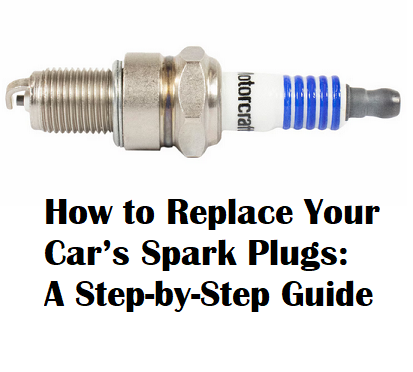
Are you ready to give your car a performance boost without spending a fortune at the mechanic? Installing spark plugs might just be the solution you need.
Not only can this simple task improve your vehicle’s efficiency, but it can also save you money and give you the satisfaction of doing it yourself. Imagine the thrill of turning the key and feeling the engine purr smoothly, knowing you played a part in it.
In this guide, you’ll discover step-by-step instructions on how to install spark plugs, along with expert tips to ensure you do it right the first time. Don’t let the fear of the unknown hold you back. Dive in, and learn how a small change can make a big difference in your driving experience.
Tools And Materials Needed
Having the right tools and materials is key to installing spark plugs correctly. Using proper equipment makes the task easier and helps avoid damage to the engine. Preparing these items beforehand saves time and reduces frustration.
Essential Tools
- Spark plug socket: Designed to fit spark plugs securely.
- Ratchet wrench: Provides the leverage needed to loosen and tighten plugs.
- Extension bar: Helps reach deep or tight spark plug locations.
- Torque wrench: Ensures spark plugs are tightened to the correct specification.
- Gap gauge: Measures the spark plug gap for proper ignition.
- Compressed air or a clean brush: Clears debris around spark plug holes.
- Dielectric grease: Protects spark plug boots from moisture and corrosion.
- Gloves and safety glasses: Protect hands and eyes during installation.
Choosing The Right Spark Plugs
Select spark plugs that match your vehicle’s make and model. Check the owner’s manual for recommended types and sizes. Consider the heat range to match your engine’s needs.
Common types include copper, platinum, and iridium plugs. Iridium plugs last longer and provide better performance but cost more. Copper plugs are affordable and work well for older engines.
Ensure the spark plug has the correct thread size and reach. Using the wrong plug can cause engine damage or poor performance.
Preparing Your Vehicle
Preparing your vehicle before installing spark plugs is a crucial step that ensures safety and efficiency. Taking the time to get your engine ready can save you from accidental burns and make the entire process smoother. Let’s focus on two essential parts of preparation: making sure your engine is cool and gaining easy access to the spark plugs.
Ensuring Engine Coolness
Never start installing spark plugs on a hot engine. The metal parts can be extremely hot, leading to painful burns or damage to components. Allow your vehicle to sit for at least 30 minutes after driving to cool down.
Have you ever rushed and touched a hot engine? It’s a quick way to regret skipping this step. Use a temperature gauge or simply feel near the engine block—if it’s too warm to touch, wait longer.
Keeping your engine cool also prevents spark plug threads from seizing in the cylinder head, which can cause costly repairs. Patience here pays off.
Accessing The Spark Plugs
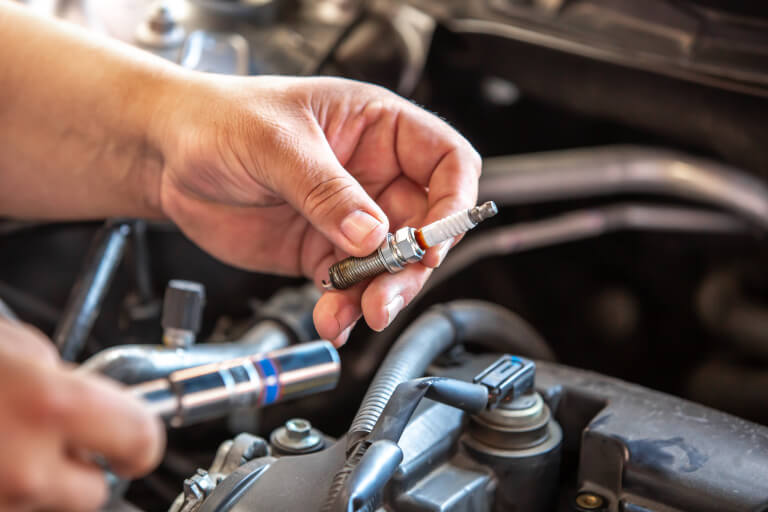
Locating and reaching your spark plugs can vary widely between car models. Most vehicles hide them under ignition coils or engine covers.
- Start by opening the hood and removing any plastic engine covers.
- Identify the ignition coils or spark plug wires. These usually sit on top of the engine.
- If your car uses ignition coils, you’ll need to disconnect the electrical connectors before removing them.
Sometimes, tight spaces make access tricky. Have you tried using a ratchet with an extension? It often helps reach spark plugs without forcing or damaging parts.
Keep your tools organized and take pictures of the setup before removal. This simple step ensures you won’t forget how to put everything back together.
Removing Old Spark Plugs
Removing old spark plugs is a key step before installing new ones. It ensures the engine runs smoothly and prevents damage. Carefully taking out the old plugs helps check their condition. This can reveal engine health and performance issues.
Follow safety measures like turning off the engine and letting it cool. Work in a clean space to avoid dirt entering the engine. Use the right tools to avoid breaking the spark plugs or wires.
Disconnecting Spark Plug Wires
Start by locating the spark plug wires attached to each plug. Gently grasp the boot, not the wire, to pull it off. Wiggle the boot slightly to loosen it without damaging the wire. Avoid pulling on the wire directly as this may cause breaks.
Keep the wires organized to reconnect them correctly later. Labeling each wire helps prevent mixing them up. Handle the wires with care to maintain good electrical contact.
Using The Spark Plug Socket
Select a spark plug socket that fits snugly over the plug. Attach the socket to a ratchet wrench for better control. Place the socket over the spark plug and turn counterclockwise to loosen.
Apply steady pressure to avoid stripping the plug’s threads. Once loose, remove the spark plug by hand carefully. Inspect the old plug for signs of wear or damage before disposal.

Credit: www.youtube.com
Inspecting And Gapping New Spark Plugs
Inspecting and gapping new spark plugs ensures your engine runs smoothly. Proper gap size affects ignition and fuel efficiency. Incorrect gaps cause misfires and poor performance. Always check the gap before installation. Use the right tools for precise measurement and adjustment.
Checking Spark Plug Gap
Use a spark plug gap tool or feeler gauge to measure the gap. The gap is the space between the center and ground electrode. Find the correct gap size in your vehicle’s manual. Slide the gauge between the electrodes gently. The gauge should fit snugly without forcing it.
Adjusting The Gap If Necessary
Adjust the gap carefully to avoid damage. Use the tool’s bending end to widen or close the gap. Bend the ground electrode slightly to change the space. Check the gap again after adjustment. Repeat until the gap matches the recommended size exactly.
Installing New Spark Plugs
Installing new spark plugs improves your engine’s performance and fuel efficiency. It requires careful handling to avoid damage. Proper installation ensures a secure fit and reliable ignition. Follow clear steps to install the spark plugs correctly and safely.
Hand Threading The Plugs
Begin by placing the spark plug into the cylinder head hole. Turn the plug gently with your fingers. This prevents cross-threading and damage to the threads. Continue threading until the plug is snug and cannot turn easily by hand.
Never force the plug with a tool during this step. Hand threading ensures the spark plug aligns perfectly. It reduces the risk of stripping the threads in the engine block.
Tightening To Specified Torque
Use a torque wrench to tighten the spark plug. Check your vehicle’s manual for the correct torque value. Tighten the plug slowly to reach this exact setting.
Too much force can crack the spark plug or damage the engine. Too little force can cause poor contact and misfires. A torque wrench guarantees the plug is secure and safe.
Reconnecting And Testing
After installing new spark plugs, reconnecting and testing is crucial. This step ensures the engine runs smoothly and prevents misfires. Proper reconnection restores the ignition system’s function. Testing confirms the installation is successful and the engine performs well.
Reattaching Spark Plug Wires
Match each spark plug wire to its correct spark plug. Look for labels or marks on wires and plugs. Push the wire boot firmly onto the plug until it clicks. This ensures a tight connection. Avoid pulling on the wire; grip the boot instead. Check for any loose wires or damage before moving on.
Starting The Engine
Turn the ignition key to start the engine. Listen carefully for smooth running sounds. Watch for any unusual noises or vibrations. If the engine hesitates or sputters, check wire connections again. A properly installed spark plug delivers steady power and good fuel efficiency.
Maintenance Tips For Longevity
Keeping your spark plugs in top shape is key to your engine’s smooth performance and fuel efficiency. Maintenance isn’t just about replacing parts when they fail; it’s about knowing the right time to act and recognizing the early signs of wear. Paying attention to these details can save you money and avoid frustrating breakdowns.
When To Replace Spark Plugs
Most spark plugs need replacement every 30,000 to 100,000 miles, depending on the type and your vehicle’s specifications. Check your owner’s manual for exact intervals. However, don’t wait solely based on mileage. If you notice any performance issues, it’s wise to inspect your spark plugs sooner.
Regularly scheduled checks can prevent bigger problems down the road. For example, I once delayed replacing spark plugs until engine misfires became frequent. That led to expensive repairs that could have been avoided with timely maintenance.
Signs Of Spark Plug Wear
How do you know your spark plugs are wearing out? Watch for these common signs:
- Engine misfires:Your car hesitates or jerks during acceleration.
- Poor fuel economy:You notice a drop in miles per gallon.
- Hard starts:Your engine struggles to start, especially in cold weather.
- Rough idling:The engine runs unevenly or shakes when stopped.
Have you checked your spark plugs lately? Spotting these signs early can help you avoid being stranded or paying for bigger repairs. A quick visual inspection can reveal worn electrodes or heavy deposits, which mean it’s time to replace them.

Credit: www.youtube.com
Credit: www.blackcircles.com
Frequently Asked Questions
How Often Should I Replace Spark Plugs?
Spark plugs typically last 30,000 to 100,000 miles, depending on the type. Check your vehicle’s manual for exact intervals. Regular replacement ensures optimal engine performance and fuel efficiency. Worn spark plugs can cause misfires and poor acceleration. Replace them promptly for smooth driving.
What Tools Do I Need To Install Spark Plugs?
You need a spark plug socket, ratchet wrench, extension bar, and a torque wrench. A gap gauge is essential to check spark plug gaps. Using the right tools prevents damage and ensures proper installation. Safety gloves and eye protection are also recommended during the process.
Can I Install Spark Plugs Without Professional Help?
Yes, installing spark plugs is a manageable DIY task with basic mechanical skills. Follow your vehicle’s manual carefully to avoid mistakes. Ensure the engine is cool before starting. Proper tools and attention to detail are vital for success. If unsure, consult a mechanic.
How Do I Check The Spark Plug Gap?
Use a spark plug gap tool to measure the gap between electrodes. Refer to your vehicle’s manual for the correct gap size. Adjust the gap gently by bending the side electrode if needed. Proper gap ensures efficient combustion and engine performance.
Conclusion
Installing spark plugs is easier than you might think. Follow each step slowly and carefully. Use the right tools for best results. Check your work to avoid engine problems. Regular spark plug care helps your car run smoothly. Save money by doing it yourself at home.
Keep your car in good shape with simple maintenance. Now, you’re ready to handle spark plug installation with confidence.





