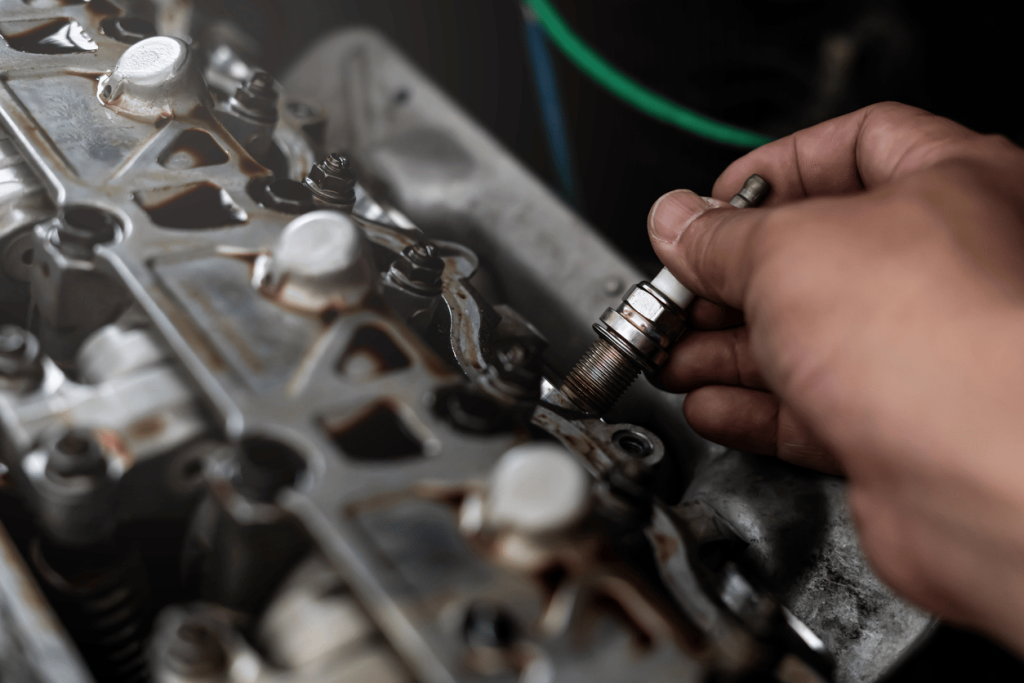
Have you ever wondered how much it costs to get your spark plugs changed? If so, you’re not alone.
Many car owners like you often find themselves puzzled about the expenses involved in maintaining their vehicle’s engine. You might be thinking, “Is it really that important? ” Or “What am I really paying for? ” These are common questions, and getting clear answers can save you money and prevent future car troubles.
We will unravel the mystery behind spark plug replacement costs, helping you make informed decisions and ensuring your car runs smoothly. Dive in, and discover what you need to know to keep your engine in top shape without breaking the bank.
Factors Affecting Spark Plug Replacement Cost
Understanding the cost of spark plug replacement means looking beyond just the price tag. Several factors influence how much you’ll pay, and knowing these can help you budget better and avoid surprises. Your choices and your vehicle’s specifics play a big role in the final bill.
Type Of Spark Plugs
Spark plugs come in different types, such as copper, platinum, and iridium. Copper plugs are usually the cheapest but wear out faster. Iridium plugs cost more but last longer and can improve engine performance.
Choosing the right type depends on your vehicle’s needs and how long you want the plugs to last. Have you ever thought about how the type of spark plug might affect your car’s fuel efficiency?
Vehicle Make And Model
Your car’s make and model can significantly affect the cost of spark plug replacement. Some vehicles require special spark plugs that are pricier or harder to install. Luxury and performance cars often have higher parts and labor costs.
Think about your car’s maintenance history. If it’s an older or rare model, parts might be harder to find, pushing the price up. How much extra would you pay for parts that fit perfectly and keep your car running smoothly?
Labor Charges
Labor costs vary depending on where you get your spark plugs replaced and how complex the job is. Some engines have spark plugs that are easy to access, while others require removing parts, which takes more time.
Labor rates also differ by location and shop reputation. You might save money choosing a local mechanic, but a dealership may offer specialized service. What’s more valuable to you: saving on labor or trusting an expert?
Additional Repairs
Sometimes, replacing spark plugs uncovers other issues like worn ignition coils or damaged wires. These additional repairs add to your total cost but can prevent future breakdowns.
Ignoring these can lead to bigger problems down the road. Would you rather address small repairs now or face costly fixes later? Keeping an eye out for related issues can save money and stress.
Average Cost Of Spark Plug Replacement
Replacing spark plugs is a routine part of car maintenance. The cost to replace them varies depending on the type of spark plugs and whether you do it yourself or hire a professional. Understanding the average costs helps you plan your budget better. This section breaks down the typical expenses for spark plug replacement.
Cost Range For Standard Spark Plugs
Standard spark plugs are the most common type. They are usually made from copper. These plugs are affordable and work well for many cars.
- Price per spark plug: $2 to $10
- Total cost for a set: $8 to $40 (most cars need 4 plugs)
Standard plugs are a good option for everyday driving and older vehicles.
Cost Range For Premium Spark Plugs
Premium spark plugs use materials like platinum or iridium. They last longer and perform better.
- Price per spark plug: $10 to $30
- Total cost for a set: $40 to $120
Premium plugs cost more but can improve fuel efficiency and engine life.
Diy Vs Professional Service Costs
Replacing spark plugs yourself saves money on labor. But it requires some tools and know-how.
| Service Type | Cost Range |
|---|---|
| DIY Spark Plug Replacement | $8 to $120 (cost of plugs only) |
| Professional Spark Plug Replacement | $50 to $200 (parts and labor) |
Professional service includes labor and ensures proper installation. It can prevent damage and save time.
When To Replace Spark Plugs
Knowing when to replace your spark plugs can save you both time and money. Spark plugs play a crucial role in your engine’s performance, and ignoring their condition can lead to decreased fuel efficiency and engine trouble. Understanding the signs and recommended intervals helps you keep your vehicle running smoothly without unexpected breakdowns.
Signs Of Worn Spark Plugs
Worn spark plugs often cause noticeable changes in your car’s behavior. You might experience rough idling or trouble starting the engine. Your vehicle may also feel sluggish or hesitate during acceleration.
Pay attention to decreased fuel efficiency as well. If you notice your gas mileage dropping, worn spark plugs could be the reason. Another sign is engine misfires, which can trigger the check engine light on your dashboard.
Recommended Replacement Intervals
The ideal timing to replace spark plugs varies by vehicle and plug type. Many manufacturers suggest changing them every 30,000 to 50,000 miles. However, some modern spark plugs, like iridium or platinum types, can last up to 100,000 miles.
Check your vehicle’s owner manual for specific guidelines. If you drive in harsh conditions—such as extreme temperatures or stop-and-go traffic—you may need to replace spark plugs more often. Are you keeping track of your mileage and maintenance schedule? Staying proactive can prevent costly repairs down the road.

Credit: www.reddit.com
Diy Spark Plug Replacement Tips
Changing spark plugs yourself can save money and offer a sense of achievement. The task is straightforward with the right tools and instructions. Basic mechanical skills help, but even beginners can do it by following clear steps. A careful approach ensures the car runs smoothly after replacement.
Tools Needed
- Spark plug socket
- Socket wrench
- Torque wrench
- Spark plug gap gauge
- Extension bar (if needed)
- Anti-seize lubricant
- Dielectric grease
- Work gloves
- Safety glasses
Step-by-step Replacement Process
- Allow the engine to cool fully before starting.
- Locate the spark plugs by following the ignition wires.
- Remove the ignition wire or coil pack carefully.
- Use the spark plug socket and wrench to loosen plugs.
- Check the gap on new spark plugs with the gauge.
- Apply anti-seize lubricant to the spark plug threads.
- Insert the new spark plug by hand to avoid cross-threading.
- Tighten the plug with a torque wrench to the correct setting.
- Apply dielectric grease inside the ignition wire boot.
- Reconnect the ignition wire or coil pack securely.
- Repeat for all spark plugs.
Safety Precautions
- Work on a cool engine to prevent burns.
- Wear safety glasses to protect eyes from debris.
- Use gloves to avoid cuts and keep hands clean.
- Disconnect the battery to prevent accidental shocks.
- Keep tools organized to avoid accidents.
- Follow the vehicle manual for torque specifications.
- Dispose of old spark plugs properly.
How To Choose The Right Spark Plugs
Choosing the right spark plugs affects engine performance and fuel efficiency. Picking the correct type helps your car run smoothly and saves money. Consider the material, vehicle compatibility, and performance needs before buying spark plugs.
Material Types
Spark plugs come in different materials like copper, platinum, and iridium. Copper plugs are affordable but wear out faster. Platinum plugs last longer and offer better performance. Iridium plugs provide the best durability and spark but cost more. Choose material based on your budget and driving habits.
Compatibility With Vehicle
Not all spark plugs fit every car. Check your vehicle’s manual for the right size and heat range. Using the wrong plug can cause engine damage or poor performance. Ensure the spark plug matches your engine type and model year for optimal results.
Performance Considerations
High-performance engines may need spark plugs designed for extra power. Some plugs improve fuel efficiency and reduce emissions. Consider plugs that suit your driving style—whether for city driving or heavy load conditions. Quality spark plugs help maintain a steady and strong engine spark.

Credit: www.reddit.com
Ways To Save On Spark Plug Replacement
Replacing spark plugs can be a straightforward task, but the cost can add up if you’re not careful. Fortunately, there are smart ways to cut down on expenses without compromising the quality of your vehicle’s maintenance. By being proactive and informed, you can keep your engine running smoothly while saving money.
Finding Discounts And Coupons
Many auto parts stores and service centers offer discounts or coupons for spark plug replacement. Check websites, apps, or local flyers before booking your appointment.
Sometimes, manufacturers run promotions on specific spark plug brands. Signing up for newsletters or loyalty programs can give you early access to these deals.
Don’t hesitate to ask the service center if they can apply any current discounts or bundle deals. A quick question could shave off a good portion of your bill.
Choosing The Right Service Center
Prices for spark plug replacement vary widely depending on the service center. Independent mechanics often charge less than dealerships.
Look for certified technicians who specialize in your car’s make and model. They tend to work efficiently, which can reduce labor costs.
Read reviews and ask friends or family for recommendations to find trustworthy service centers that offer fair pricing. Sometimes paying a bit more upfront saves you from costly mistakes later.
Maintenance To Extend Spark Plug Life
Regularly checking and maintaining your engine can help spark plugs last longer. Keeping air filters clean and using high-quality fuel reduces wear.
Don’t ignore engine performance issues like rough idling or poor acceleration. Addressing these early can prevent spark plugs from fouling prematurely.
Have you ever extended a spark plug’s life simply by staying on top of small maintenance tasks? This approach saves money and keeps your car running reliably between replacements.

Credit: www.reddit.com
Frequently Asked Questions
How Much Does Spark Plug Replacement Cost On Average?
The average cost to replace spark plugs ranges from $50 to $150. Prices vary by vehicle type and labor charges. Parts typically cost between $10 and $30 each, while labor can range from $40 to $100. Luxury or complex engines may increase the price.
How Often Should Spark Plugs Be Replaced?
Spark plugs should generally be replaced every 30,000 to 100,000 miles. The exact interval depends on the spark plug type and vehicle model. Regular replacement ensures optimal engine performance and fuel efficiency. Check your owner’s manual for specific recommendations.
Does Diy Spark Plug Replacement Save Money?
DIY spark plug replacement can save labor costs, reducing total expenses. However, it requires proper tools and mechanical knowledge. Incorrect installation may cause engine issues. If unsure, professional service is safer and ensures quality work.
What Factors Affect Spark Plug Replacement Cost?
Cost depends on spark plug type, vehicle make, and labor rates. Iridium or platinum plugs cost more than copper ones. Engine complexity and accessibility also impact labor time and overall price.
Conclusion
Changing spark plugs costs depend on your car and location. Basic parts and labor usually make up the price. Regular changes keep your engine running smooth and save money. Don’t wait for problems; timely service helps avoid bigger repairs. Check prices with trusted mechanics near you.
Knowing the cost helps you plan your car care better. Keep your vehicle healthy and enjoy safer drives. Simple steps make a big difference in car maintenance.





