Imagine you’re cruising down the road, and suddenly, your car starts to jerk, sputter, or lose power. It’s a frustrating experience that can leave you wondering what’s gone wrong.
One common culprit? A faulty spark plug. These small but mighty components play a crucial role in your vehicle’s performance, and when they go bad, they can cause a host of problems. But how do you know if a spark plug is the issue?
Understanding the signs can save you time, money, and a lot of headaches. In this guide, you’ll learn how to check if a spark plug is bad, ensuring your car runs smoothly and efficiently. Stick around to discover the simple steps and tips that can make a big difference in your driving experience.

Credit: www.reddit.com
Signs Of A Faulty Spark Plug
Faulty spark plugs cause many engine problems. They affect performance and fuel use. Recognizing signs early helps avoid bigger repairs. Here are common symptoms of bad spark plugs.
Engine Misfires And Rough Idle
Bad spark plugs cause engine misfires. The engine may jerk or hesitate during driving. You might feel shaking when the car is idle. This happens because the spark plug fails to ignite fuel properly.
Poor Fuel Efficiency
Worn spark plugs reduce fuel efficiency. The engine burns more fuel than usual. You may notice you fill gas more often. This leads to higher fuel costs over time.
Difficulty Starting The Engine
A weak spark plug makes starting the engine hard. The car may take longer to start or not start at all. This problem is worse in cold weather or after long stops.
Unusual Engine Noises
Faulty spark plugs cause strange engine sounds. You might hear coughing, popping, or rattling noises. These sounds come from incomplete fuel combustion inside the engine.
Tools Needed For Inspection
Checking a spark plug requires a few simple tools. These tools help you inspect the plug’s condition and performance. Having the right tools makes the process easier and more accurate. Let’s look at the main tools needed for this inspection.
Spark Plug Socket
A spark plug socket fits snugly around the plug. It helps remove and install the spark plug without damage. These sockets often have a rubber insert to grip the plug firmly. Using the correct size socket is important for a secure fit.
Gap Gauge
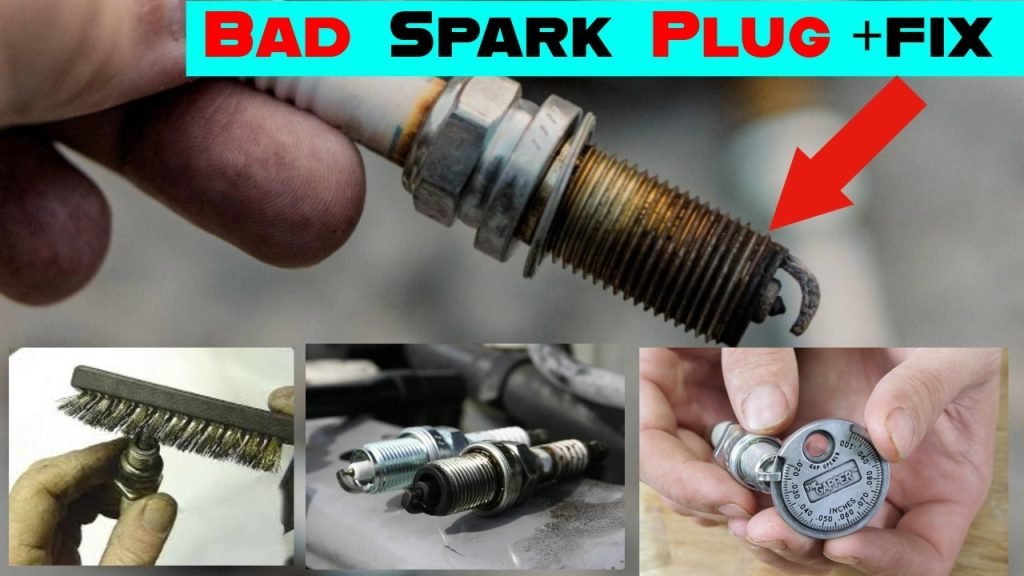
A gap gauge measures the space between the spark plug’s electrodes. The gap affects the spark’s strength and engine performance. This tool lets you check if the gap is too wide or too narrow. Adjusting the gap may improve engine efficiency.
Multimeter
A multimeter tests the spark plug’s electrical resistance. It shows if the plug has internal damage or wear. This tool helps find spark plugs that look fine but don’t work well. A low or high resistance reading indicates a bad plug.
Wire Brush
A wire brush cleans the spark plug’s electrodes and threads. Dirt and carbon buildup can cause misfires and poor engine running. Cleaning the plug extends its life and improves performance. Use gentle strokes to avoid damaging the plug.
Visual Inspection Steps
Visual inspection is a straightforward way to tell if your spark plug needs attention. It gives you clues about your engine’s health without any special tools. Knowing what to look for can save you time and money on repairs.
Removing The Spark Plug
Start by carefully removing the spark plug from your engine. Make sure the engine is cool to avoid burns. Use a proper spark plug socket and ratchet to avoid damaging the plug or threads.
Keep track of each plug’s position if your engine has multiple plugs. This helps you match the condition to the right cylinder later. You don’t want to mix them up and misdiagnose the problem.
Checking For Carbon Deposits
Look at the tip of the spark plug for black, dry soot. This carbon buildup indicates a rich fuel mixture or weak ignition. It can cause misfires and poor fuel economy.
If you notice thick carbon deposits, think about your recent driving habits or fuel quality. Have you been idling a lot or using low-grade fuel? These factors often lead to carbon buildup.
Examining Electrode Wear
Check the center and ground electrodes for rounded edges or erosion. Sharp edges help create a strong spark; worn electrodes can weaken ignition. A gap that’s too wide or uneven means your spark plug isn’t firing properly.
Electrode wear may result from normal use or overheating. If the wear looks severe, it’s a clear sign you should replace the spark plug to maintain engine performance.
Inspecting For Oil Or Fuel Fouling
If the spark plug tip looks wet or oily, your engine might be leaking oil into the combustion chamber. Fuel fouling appears as a wet, black, and shiny deposit caused by excess fuel. Both conditions can cause starting problems and rough idling.
Ask yourself if your vehicle has been consuming more oil or if you’ve noticed fuel smell from the exhaust. These symptoms often accompany fouled spark plugs. Catching this early can prevent bigger engine issues.

Credit: craigscarcare.com
Testing Spark Plug Performance
Testing spark plug performance helps find issues affecting engine power. A faulty spark plug can cause poor fuel efficiency and rough idling. Simple tests reveal if the spark plug works well or needs replacement. These tests require few tools and basic skills.
Measuring Spark Plug Gap
The spark plug gap is the distance between the electrodes. Proper gap size ensures a strong spark for ignition. Use a spark plug gap tool or feeler gauge to measure this gap. Check the vehicle manual for the correct gap size. Adjust the gap gently by bending the ground electrode if needed. Avoid making the gap too wide or too narrow.
Conducting Continuity Tests
A continuity test checks if electricity flows through the spark plug. Use a multimeter set to the continuity or resistance mode. Touch one probe to the center electrode and the other to the metal shell. A beep or low resistance reading means the plug is good. No sound or high resistance suggests a broken internal wire. Replace the spark plug if it fails this test.
Performing Spark Test
The spark test shows if the plug creates a spark under real conditions. Remove the spark plug and reconnect it to the ignition wire. Hold the plug against a metal part of the engine. Crank the engine and watch for a bright blue spark. A weak or no spark means the plug is faulty. Do not touch the plug or engine during this test to avoid shocks.
When To Replace Spark Plugs
Knowing when to replace spark plugs helps keep your engine running smoothly. Spark plugs wear out over time and lose their ability to ignite fuel efficiently. Replacing them at the right moment prevents engine problems and saves you money on repairs. Below are key points to recognize the right time for replacement.
Signs Of Irreparable Damage
Look for physical damage on spark plugs. Cracks, heavy deposits, or worn electrodes mean the plug cannot work properly. A spark plug with burned or melted areas should be replaced immediately. Such damage stops proper firing and causes misfires or rough idling.
Manufacturer’s Replacement Intervals
Check the vehicle’s manual for recommended spark plug change intervals. Most manufacturers suggest replacing plugs every 30,000 to 100,000 miles. Sticking to these intervals prevents unexpected engine issues. Newer vehicles with iridium or platinum plugs often last longer but still need timely replacement.
Impact On Engine Performance
Bad spark plugs reduce engine power and fuel efficiency. You may notice difficulty starting the engine or rough running. Increased fuel consumption and engine knocking also signal worn plugs. Replacing spark plugs restores smooth acceleration and better mileage.

Credit: www.r6messagenet.com
Preventive Maintenance Tips
Preventive maintenance helps keep spark plugs in good condition. It stops small problems from turning into big ones. Simple care extends the life of spark plugs and improves engine performance. Follow these easy tips to protect your spark plugs and your engine.
Regular Cleaning
Cleaning spark plugs removes dirt and carbon build-up. Use a wire brush or spark plug cleaner for best results. Clean plugs ensure better spark and smooth engine running. Check and clean spark plugs every 10,000 miles or as recommended.
Proper Installation
Install spark plugs carefully to avoid damage. Tighten them to the correct torque specified by the manufacturer. Avoid over-tightening, which can crack the plug or damage threads. Use a spark plug socket and a torque wrench for accuracy.
Using Quality Spark Plugs
Choose spark plugs from trusted brands for reliability. Quality plugs last longer and perform better. Avoid cheap, low-quality spark plugs that wear out quickly. Match the plug type to your vehicle’s specifications for best results.
Frequently Asked Questions
How Do I Know If My Spark Plug Is Bad?
A bad spark plug causes engine misfires, poor fuel economy, and rough idling. Check for worn electrodes or heavy deposits. If your engine struggles to start, the spark plug likely needs replacement.
What Are The Common Symptoms Of A Faulty Spark Plug?
Symptoms include engine misfires, reduced power, poor acceleration, and increased fuel consumption. You may also hear knocking or rough idling. These signs indicate spark plugs need inspection or replacement.
Can A Bad Spark Plug Damage My Engine?
Yes, faulty spark plugs can cause misfires that damage the catalytic converter. Prolonged use may lead to engine performance issues and higher emissions. Replace bad spark plugs promptly to avoid costly repairs.
How Often Should Spark Plugs Be Checked Or Replaced?
Spark plugs should be checked every 30,000 miles or as recommended by your vehicle’s manual. Replace them if you notice symptoms or during regular maintenance to ensure optimal engine performance.
Conclusion
Checking spark plugs helps keep your engine running well. Bad spark plugs cause poor fuel use and rough rides. Look for signs like cracks, soot, or wear on plugs. Clean or change them regularly to avoid car troubles. Simple checks save money and prevent breakdowns.
Keep your vehicle healthy with basic spark plug care. Stay safe on the road by maintaining your engine parts. Small steps can make a big difference in performance. Don’t ignore spark plugs—they matter more than you think.





