Are your car’s engine troubles leaving you frustrated and stranded? Before you rush to the mechanic, there might be a simple solution you can try yourself—testing your spark plug.
These small, often overlooked components play a crucial role in keeping your engine running smoothly. If they’re not functioning properly, you could face a host of problems, from poor fuel efficiency to complete engine failure. But don’t worry, you don’t have to be a car expert to test a spark plug.
With a few straightforward steps, you can quickly assess whether your spark plugs are the culprits behind your vehicle’s issues. Ready to regain control of your ride and save money on repairs? Let’s dive into how you can test a spark plug and ensure your car runs like a dream.
Tools Needed
Testing a spark plug requires the right tools to get accurate and reliable results. Without proper equipment, you might misdiagnose the issue or damage the spark plug during inspection. Gathering these tools first sets you up for a smooth and effective testing process.
Essential Testing Equipment
- Multimeter:This device measures electrical resistance and voltage, helping you check the spark plug’s continuity and firing capability.
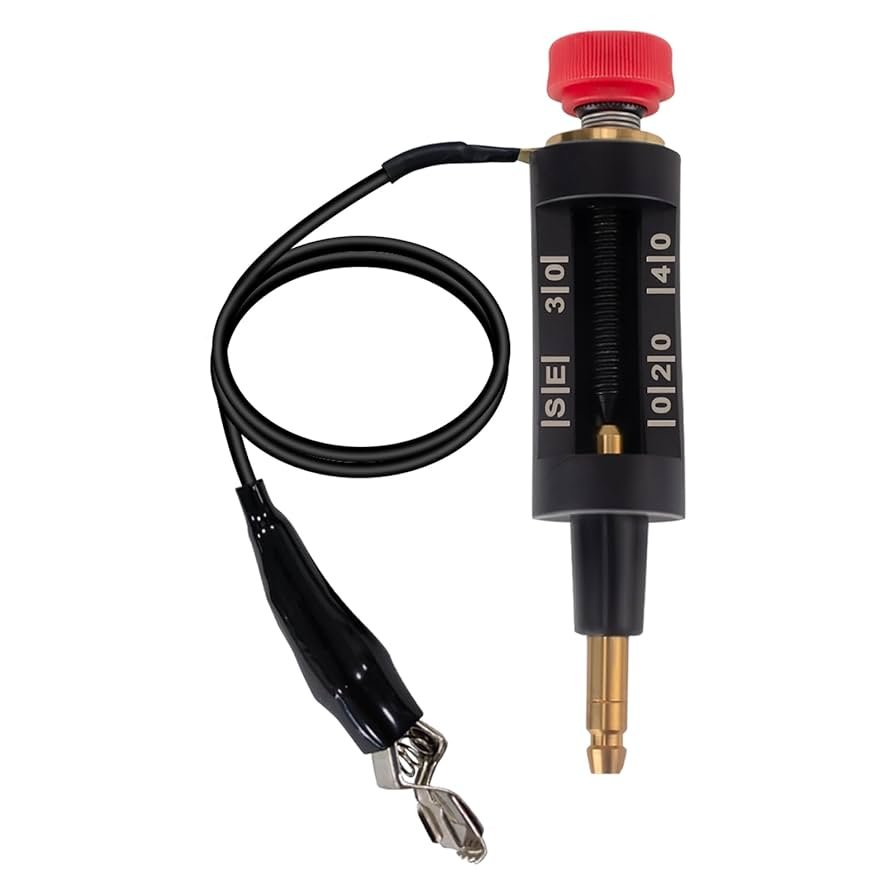
- Spark Plug Tester:A dedicated tool that simulates engine conditions to see if the spark plug produces a strong spark.
- Wire Brush or Spark Plug Cleaner:Useful for cleaning dirt and carbon build-up before testing to avoid false readings.
- Feeler Gauge:Helps measure the spark plug gap, ensuring it’s within the manufacturer’s recommended range.
- Socket Wrench Set:Needed to safely remove and re-install the spark plug without causing damage.
Have you ever tried testing a spark plug without a proper gap gauge? It’s tough to know if the spark is even reaching the gap correctly.
Safety Gear
Working with electrical components and engine parts can be risky. Wearing the right safety gear protects you from potential shocks and burns.
- Insulated Gloves:Prevent electrical shocks and protect your hands from hot engine parts.
- Safety Glasses:Shield your eyes from sparks or debris when cleaning or testing the plug.
- Protective Clothing:Long sleeves and non-flammable materials reduce the risk of burns.
Have you ever underestimated the importance of gloves and ended up with a painful electric shock? Taking simple safety steps can save you from unexpected harm.

Credit: www.amazon.com
Preparing The Spark Plug
Preparing the spark plug is a crucial step before you test it. Without proper preparation, your results might be inaccurate or misleading. Taking the time to carefully remove and clean the spark plug ensures you get a clear view of its condition and performance.
Removing The Spark Plug
First, you need to locate the spark plug on your engine. It’s usually found on the cylinder head and connected to a thick wire called the spark plug wire.
Make sure the engine is cool to avoid burns. Then, gently pull the spark plug wire off by gripping the boot, not the wire itself, to prevent damage.
Use a spark plug socket and a ratchet to unscrew the spark plug. Turn it counterclockwise until it loosens, then remove it carefully. Have you noticed how sometimes these plugs can be stuck tight? Applying a little penetrating oil beforehand can help loosen stubborn plugs.
Cleaning The Spark Plug
Once removed, examine the spark plug for dirt, grease, or carbon buildup. These residues can affect the plug’s ability to spark properly.
Use a wire brush or a spark plug cleaner tool to gently clean the metal parts. Avoid using harsh abrasives that could damage the electrodes.
If the plug is oily or very dirty, soak it briefly in a carburetor cleaner or brake cleaner. Then, dry it thoroughly before testing. Have you ever skipped cleaning and ended up misdiagnosing a spark plug? A clean plug gives you a fair chance to assess its true condition.
Visual Inspection
Visual inspection is the first and simplest way to test a spark plug. It gives you immediate clues about the plug’s condition and how your engine might be running. By closely examining the spark plug, you can spot obvious issues before moving to more complex tests.
Checking For Damage
Start by looking for any physical damage on the spark plug. Cracks in the ceramic insulator or broken electrodes are clear signs the plug needs replacement.
Also, check for signs of overheating, like melted metal or blistered surfaces. These indicate the spark plug has been subjected to extreme conditions that can harm engine performance.
Have you ever noticed a spark plug that looks fine but your engine still misfires? Damage can sometimes be subtle, so take your time to spot even small chips or cracks.
Identifying Wear And Deposits
Look closely at the electrode and insulator tip for any unusual buildup. Light tan or grayish deposits usually mean normal wear, but heavy black, oily, or sooty deposits suggest engine issues.
Carbon deposits might mean your engine is running too rich or you have a clogged air filter. Oil deposits could hint at worn piston rings or valve guides leaking oil into the combustion chamber.
Pay attention to the color and texture of deposits. Are they dry and flaky, or wet and sticky? These details can help you understand the underlying problem more accurately.
Testing Spark Plug Resistance
Testing spark plug resistance helps check if the plug works well. Resistance shows how much the spark plug resists electrical current. High resistance can cause weak sparks and poor engine performance.
Measuring resistance is simple with the right tools. It helps spot faulty plugs early and saves time on repairs. Let’s explore how to test spark plug resistance.
Using A Multimeter
A multimeter measures electrical resistance easily. Set the multimeter to the ohms (Ω) setting. Touch one probe to the spark plug’s terminal. Place the other probe on the metal base of the plug.
Read the number shown on the multimeter screen. This number is the resistance value of the spark plug. Make sure to check the spark plug’s manual for specific instructions.
Interpreting Resistance Values
Resistance values tell if the spark plug is good or bad. Ideal resistance usually ranges from 4,000 to 8,000 ohms. Values much higher than this indicate a bad spark plug.
Very low resistance may also mean a short circuit inside the plug. Both high and low resistance affect engine spark quality. Replace spark plugs with abnormal resistance to keep your engine running smooth.
Performing A Spark Test
Performing a spark test is a simple way to check if a spark plug works properly. It helps find out if the plug produces a strong spark to ignite the fuel. This test saves time and money by spotting problems early.
Setting Up The Test
Start by turning off the engine and letting it cool down. Remove the spark plug wire from the spark plug carefully. Attach the spark plug to the wire again, but do not screw it into the engine.
Hold the spark plug against a metal part of the engine. Make sure the metal part is clean and unpainted for good contact. Keep the spark plug grounded to avoid electric shocks.
Observing Spark Quality
Ask someone to turn the engine over or use a starter button. Watch the spark plug gap closely. Look for a bright blue spark that jumps across the gap.
A weak or yellow spark means the spark plug may be dirty or worn out. No spark means the plug or ignition system might be faulty. A strong spark shows the plug works well and can ignite fuel properly.

Credit: www.youtube.com
Analyzing Test Results
After testing your spark plug, understanding the results is key to keeping your engine running smoothly. The way the spark plug looks and performs during the test tells you a lot about its condition. Let’s break down how to read those signs and decide your next move.
Signs Of A Good Spark Plug
A healthy spark plug shows clean, light tan or grayish deposits on the electrode. This means the combustion is efficient, and the spark plug is firing correctly. The electrode should not be worn down or covered with heavy soot or oil.
Here are some clear indicators of a good spark plug:
- Electrode edges are sharp and intact
- Light tan or grayish color on the insulator tip
- No cracks or chips on the ceramic insulator
- Clean threads without excessive carbon or oil buildup
When testing, if your spark plug fires a strong, consistent spark without hesitation, that’s another positive sign. Have you noticed your engine running smoothly after testing? That’s a good confirmation the spark plug is in top shape.
When To Replace The Spark Plug
Sometimes, your spark plug test results show clear signs it’s time for a replacement. If the electrode is rounded or eroded, the spark may be weak or inconsistent. This affects your engine’s performance and fuel efficiency.
Look out for these warning signs:
- Heavy black soot or oily deposits on the electrode
- Cracked or broken ceramic insulator
- Gap between electrodes is too wide or uneven
- Sparking is weak, delayed, or doesn’t happen at all
Ignoring these signs can lead to misfires and poor engine starting. If you’ve ever struggled with rough idling or decreased power, a worn spark plug might be the culprit. Replacing it promptly can save you from bigger engine troubles and improve your vehicle’s performance.
Tips For Accurate Testing
Testing a spark plug accurately requires more than just basic tools. Paying attention to details can make the difference between a quick fix and wasted time. These tips will help you get precise results and understand your spark plug’s condition better.
Common Mistakes To Avoid
One common error is testing the spark plug while it’s still hot. Heat can affect resistance readings and give you false results. Always let the spark plug cool down before you start testing.
Another mistake is not cleaning the spark plug before testing. Dirt and carbon deposits can interfere with your measurements. Use a wire brush or spark plug cleaner to remove grime for a clear assessment.
Many people forget to check the spark plug gap. An incorrect gap can lead to engine misfires even if the plug itself is fine. Use a feeler gauge to measure and adjust the gap accurately.
Maintaining Spark Plug Health
Regular inspection is key to keeping your spark plugs in good shape. Look for signs like worn electrodes, cracks, or heavy deposits. These issues signal that replacement is needed before performance drops.
Keep a maintenance log to track how long each spark plug lasts. This habit helped me catch a recurring issue with my car’s ignition early. Knowing your spark plug’s lifespan can save you from unexpected breakdowns.
Use quality fuel and oil to reduce carbon buildup. Cleaner combustion means less residue on your spark plugs, extending their life. Have you noticed a difference in plug condition after switching fuel brands?

Credit: www.trodo.com
Frequently Asked Questions
How Do You Test A Spark Plug With A Multimeter?
To test a spark plug with a multimeter, set it to ohms. Measure resistance between the terminal and the electrode. A healthy spark plug usually shows 4,000 to 8,000 ohms. Higher or infinite resistance indicates a faulty plug needing replacement.
Can You Test Spark Plugs Without Removing Them?
Yes, you can test spark plugs without removal. Use a spark tester connected to the ignition wire. Crank the engine and observe the spark. A strong, blue spark means the plug works well. No or weak spark signals a problem.
What Signs Indicate A Bad Spark Plug?
Signs of a bad spark plug include rough engine idle, misfires, poor fuel economy, and difficulty starting. If your car shows these symptoms, testing or replacing spark plugs is necessary to restore engine performance.
How Often Should Spark Plugs Be Tested?
Spark plugs should be tested every 30,000 miles or as per the vehicle manual. Regular testing ensures optimal engine performance and fuel efficiency. Replace them sooner if you notice performance issues or visible damage.
Conclusion
Testing a spark plug helps keep your engine running well. You can spot problems early by checking it regularly. Clean or replace spark plugs to improve car performance. Simple tools and steps make testing easy for anyone. Stay safe and follow instructions carefully during the test.
Good spark plugs save fuel and reduce engine trouble. Regular checks help avoid costly repairs down the road. Keep your vehicle healthy by testing spark plugs often. It’s a small task that makes a big difference.





