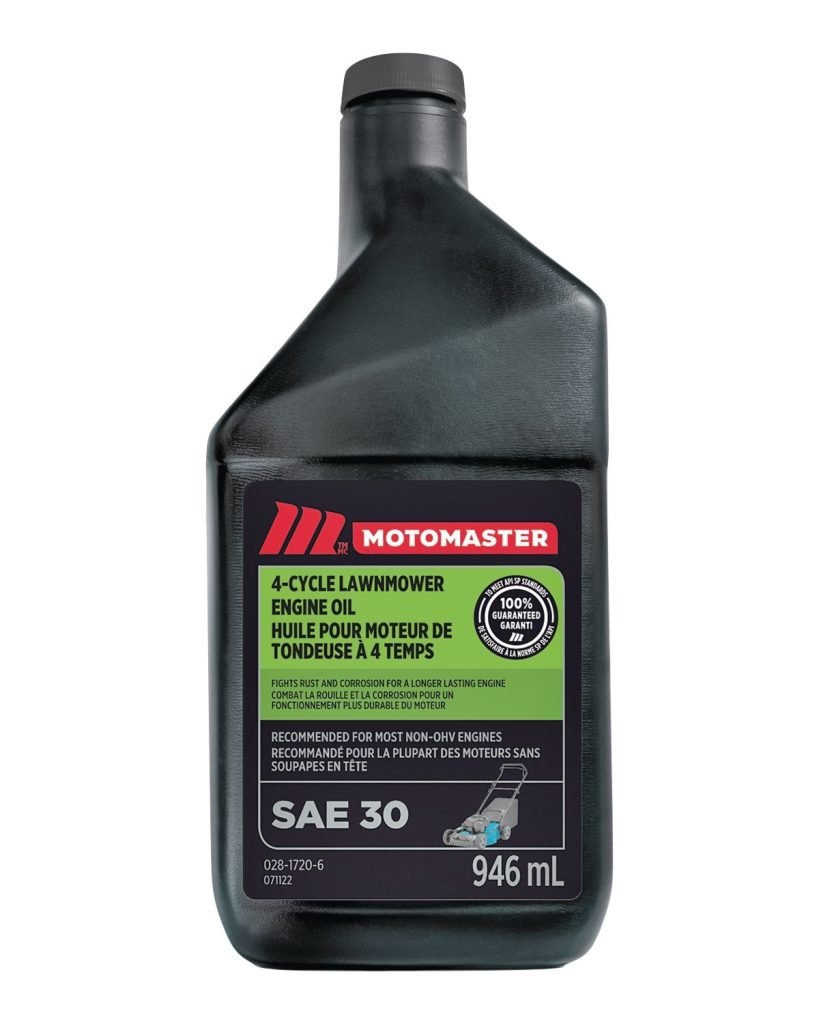
Have you ever found yourself standing in the garage, staring at your lawn mower, and wondering if you’re using the right oil? You’re not alone.
Choosing the correct oil for your lawn mower is crucial for its performance and longevity. With so many options available, it can feel overwhelming trying to figure out which one is the best for your mower. But don’t worry, we’ve got you covered.
We’ll demystify the process and give you clear, straightforward advice on what oil is best suited for your lawn mower. Stick around, because knowing this simple detail could save you time, money, and a lot of frustration in the long run.

Credit: www.reddit.com
Types Of Lawn Mower Oils
Choosing the right oil for a lawn mower is key to its performance and lifespan. Different oils suit different engines and weather conditions. Understanding the types of lawn mower oils helps keep engines running smoothly and prevents damage.
Synthetic Vs Conventional Oils
Synthetic oils are made in labs for better engine protection. They resist heat and break down slower than conventional oils. Conventional oils come from refined crude oil. They cost less but need changing more often. Synthetic oils often improve mower efficiency and start-up in cold weather.
Sae Viscosity Ratings
SAE viscosity ratings show how thick or thin an oil is at certain temperatures. Lower numbers mean thinner oil, which flows easily when cold. Higher numbers mean thicker oil, better for hot weather. Common ratings for lawn mowers are 10W-30 and 5W-30. Check your mower’s manual for the right viscosity.
Oil Grades For Different Seasons
Oils perform differently in summer and winter. Use lighter oils like 5W-30 in cold months for easy starting. Thicker oils like 10W-30 work well in warm weather to protect the engine. Some oils are multi-grade, meaning they work in both cold and hot temperatures. Seasonal oil changes help keep the mower healthy year-round.

Credit: simsgardenmachinery.co.uk
Choosing The Right Oil
Choosing the right oil for your lawn mower is important for its performance and lifespan. Oil keeps the engine parts moving smoothly and prevents wear. Using the wrong oil can cause damage and reduce efficiency.
Different lawn mowers need different types of oil. Knowing what oil to use helps keep the engine clean and running well. Here are some key points to consider when picking oil for your mower.
Manufacturer Recommendations
Always check the lawn mower’s manual for oil advice. The manufacturer tells you the best oil type and grade. Following their advice ensures the engine stays protected.
Look for oil types like SAE 30 or 10W-30. The manual may also suggest synthetic or conventional oil. Using the recommended oil keeps the warranty valid and engine healthy.
Engine Type Considerations
Two-stroke and four-stroke engines need different oils. Two-stroke engines mix oil with fuel. Use a special two-cycle oil for these engines.
Four-stroke engines have separate oil chambers. They use regular motor oil. Choosing the right oil type matches the engine’s design and function.
Oil Capacity And Consumption
Know how much oil your mower needs. Overfilling or underfilling can harm the engine. Check the oil level regularly during use.
Some mowers use oil faster than others. Monitor oil consumption and top up as needed. Keeping the right oil level protects the engine from damage.
How Oil Affects Performance
Oil plays a vital role in how a lawn mower works. It keeps the engine running smoothly and helps avoid damage. Using the right oil affects the mower’s power and life. Understanding oil’s effect on performance helps maintain your mower better.
Lubrication And Engine Protection
Oil lubricates the engine parts to reduce friction. Friction causes heat and can wear down parts quickly. Proper lubrication creates a thin film between moving parts. This film prevents metal surfaces from rubbing directly. It protects the engine from damage during operation.
Reducing Wear And Tear
Oil helps reduce the wear and tear on the engine. It carries away dirt and tiny metal particles. These particles can cause scratches and damage if left inside. Clean oil keeps the engine parts moving smoothly. This extends the mower’s lifespan and lowers repair costs.
Improving Fuel Efficiency
Good quality oil improves the mower’s fuel efficiency. When engine parts move smoothly, the engine uses less energy. Less energy means less fuel consumption. Using the right oil type helps the engine run efficiently. This saves money on fuel and reduces emissions.
Changing Lawn Mower Oil
Changing the oil in your lawn mower is one of the simplest yet most important maintenance tasks you can perform. Clean oil keeps the engine running smoothly and extends its lifespan. If you neglect this routine, you risk damaging your mower and facing costly repairs.
When To Change Oil
Check your mower’s manual for specific recommendations, but a good rule is to change the oil after every 25 hours of use or at least once per season. If you notice the oil looks dark or gritty, it’s time for a change, even if you haven’t hit the hour mark. Think about how often you mow and adjust your schedule accordingly—more frequent mowing means more frequent oil changes.
Tools And Supplies Needed
- Fresh lawn mower oil (check your manual for the right type and viscosity)
- Oil drain pan or container to catch old oil
- Socket wrench or screwdriver (depending on your mower model)
- Funnel to pour new oil without spills
- Clean rag or paper towels for wiping spills
- Gloves to keep your hands clean and safe
Having these ready before you start saves time and avoids frustration. It’s always a good idea to keep extra oil on hand for quick top-ups.
Step-by-step Oil Change Process
- Start by warming up your mower engine for a few minutes to thin the oil, making it easier to drain.
- Turn off the engine and disconnect the spark plug wire to prevent accidental starts.
- Place the oil drain pan underneath the oil drain plug or the oil fill tube if your mower doesn’t have a drain plug.
- Remove the drain plug or tilt the mower to drain the oil into your container. Be careful not to spill.
- Once the oil is completely drained, replace the drain plug securely.
- Use a funnel to pour the new oil into the oil fill tube, checking the level with the dipstick to avoid overfilling.
- Reconnect the spark plug wire, and wipe any spills off the mower.
- Run the mower for a few minutes to circulate the new oil, then check the oil level again and add if necessary.
Have you noticed a smoother engine after changing the oil? That’s the payoff for this simple task. How often do you check your oil level between changes?
Common Oil-related Issues
Keeping your lawn mower’s oil in good shape is key to its smooth operation. Yet, oil-related issues can sneak up on you, causing unexpected problems. Understanding these common issues helps you spot trouble early and avoid costly repairs.
Oil Leaks And Causes
Oil leaks often start small but can quickly lead to bigger problems. Common causes include worn gaskets, loose drain plugs, or cracks in the oil pan. I once ignored a tiny leak, and it soon caused the engine to seize—don’t make the same mistake.
Regularly check under your mower for fresh oil spots. Tighten any loose parts and replace damaged seals promptly to keep leaks at bay.
Overfilling And Underfilling Risks
Adding too much or too little oil can both harm your mower’s engine. Overfilling creates excess pressure, which may damage seals and cause leaks. On the other hand, underfilling leads to inadequate lubrication, increasing wear and overheating.
Always use the dipstick to measure oil levels carefully. Ask yourself: Have you checked the oil level before starting your mower today?
Signs Of Oil Degradation
Oil doesn’t last forever. It breaks down over time due to heat, dirt, and moisture. Dark, gritty, or burnt-smelling oil indicates it’s time for a change.
Ignoring degraded oil can cause poor engine performance or even failure. Make it a habit to inspect your oil regularly—your mower’s health depends on it.
Tips For Maintaining Oil Quality
Maintaining the quality of lawn mower oil extends engine life and ensures smooth operation. Clean, fresh oil protects engine parts from wear and damage. Follow simple tips to keep the oil in top condition for better mower performance.
Proper Storage Practices
Store oil in a cool, dry place away from sunlight. Keep containers tightly sealed to prevent contamination. Avoid storing oil near chemicals or dirt. Use clean funnels and tools when handling oil to reduce dirt entry.
Using Oil Additives
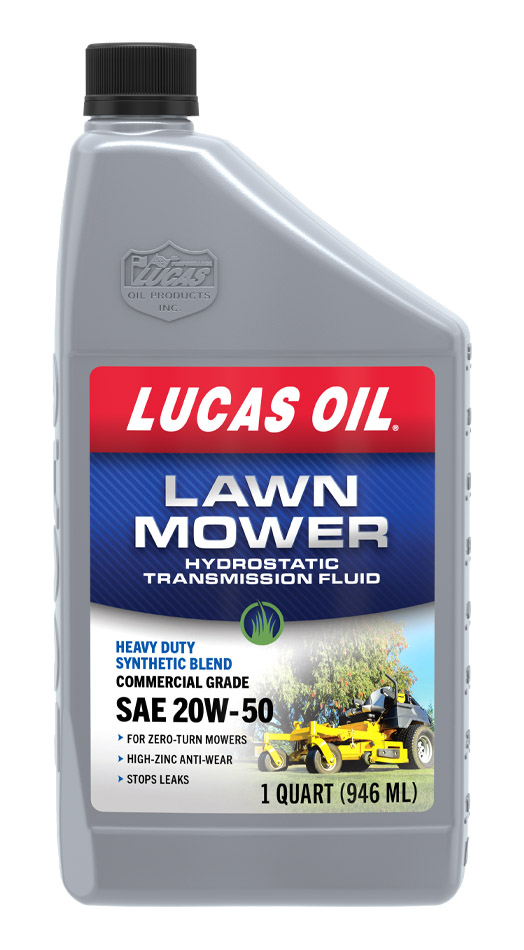
Additives improve oil’s ability to protect and clean the engine. Choose additives designed for small engines or lawn mower use. Follow product instructions carefully to avoid overuse. Additives can help reduce wear and prevent rust formation.
Regular Oil Checks
Check oil level before each mowing session. Look for changes in color or thickness. Dark or gritty oil means it needs changing. Regular checks prevent engine damage and keep the mower running well.
Credit: www.lucasoil.com
Frequently Asked Questions
What Type Of Oil Is Best For Lawn Mowers?
The best oil for lawn mowers is SAE 30 for warm weather. For colder climates, use 10W-30 oil. Always check your mower’s manual for the recommended oil type.
Can I Use Synthetic Oil In My Lawn Mower?
Yes, synthetic oil is safe and can enhance engine performance. It offers better protection and longer intervals between oil changes.
How Often Should I Change Lawn Mower Oil?
Change the oil after every 25-50 hours of use or once per mowing season. Regular oil changes keep the engine running smoothly.
Is 10w-30 Oil Suitable For All Lawn Mowers?
10W-30 is a versatile oil, ideal for most lawn mowers in variable temperatures. However, always confirm with your mower’s manufacturer recommendations.
Conclusion
Choosing the right oil keeps your lawn mower running smooth. Use oil that matches your mower’s engine type. Change the oil regularly to avoid damage. Clean oil helps the engine last longer. Check your mower’s manual for oil recommendations. Proper oil protects parts and improves performance.
A well-oiled mower cuts grass better and lasts more. Simple steps make a big difference in mower care. Keep your mower healthy with good oil and regular checks.





