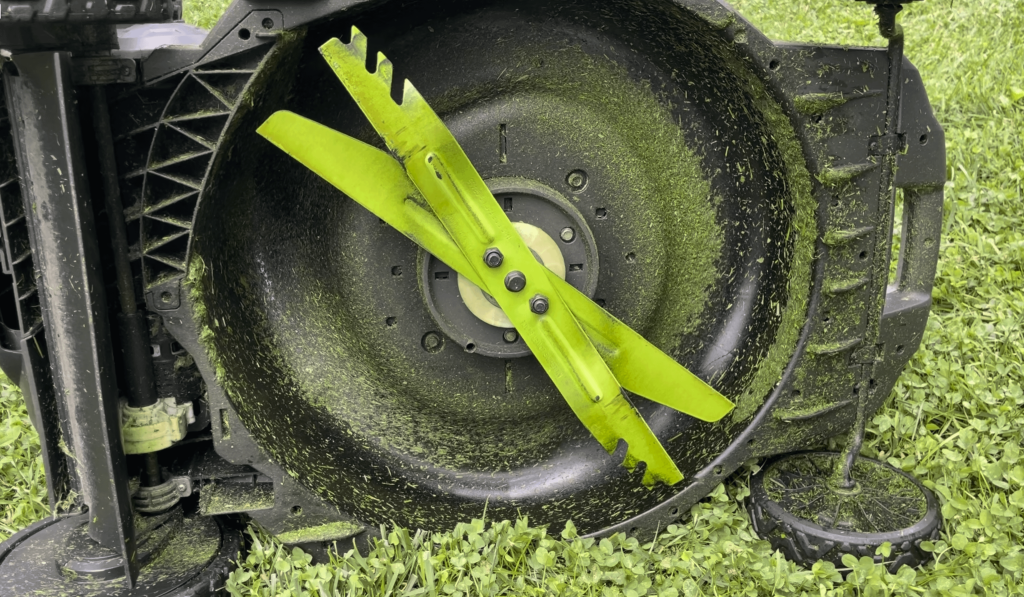
Have you ever wondered why your lawn mower seems to roar louder than a jet engine? As you push your mower across the grass, the noise fills the air, making you and your neighbors wince.
It’s not just an annoyance; it’s a puzzle waiting to be solved. Understanding why lawn mowers are so loud can save your ears and maybe even improve your mowing experience. Imagine a quieter Saturday morning where the hum of your mower is just a gentle whisper.
Intrigued? Let’s dive into the mechanics behind the noise and discover how you can make your mowing routine more peaceful.

Credit: www.reddit.com
Engine Power And Noise
The noise from lawn mowers often catches you off guard, especially when you’re expecting a peaceful morning in your yard. A key reason behind this loudness lies in the engine powering the mower. Understanding how engine power relates to noise can help you make better choices about the mower you use and how you use it.
Gasoline Engines And Loud Combustion
Most lawn mowers run on gasoline engines, which create noise through the rapid combustion of fuel. This combustion causes explosions inside the engine’s cylinders, generating powerful energy bursts that make your grass cutting efficient—but noisy.
Have you noticed how the louder the engine sounds, the faster it seems to cut? That’s because the sound intensity often matches the power output, resulting in a louder roar when the mower works harder.
Two-stroke Vs Four-stroke Engines
Lawn mowers typically use either two-stroke or four-stroke engines, and each produces noise differently. Two-stroke engines fire once every revolution, creating a sharp, high-pitched sound.
Four-stroke engines fire once every two revolutions, which generally leads to a deeper, more consistent noise but at a lower volume compared to two-stroke engines. Which type do you think suits your noise tolerance better?
Horsepower And Sound Levels
Horsepower directly affects how loud your mower is. More horsepower means the engine works harder and produces more noise.
For example, a mower with 6 horsepower will sound noticeably louder than one with 3 horsepower. When buying a mower, consider if the extra power—and noise—is necessary for your yard size.

Credit: cleanairlawncare.com
Blade Movement And Sound
The noise your lawn mower makes is largely tied to how its blades move. Understanding the connection between blade movement and sound helps explain why these machines can be so loud. The way blades rotate, their design, and how they cut grass all contribute to the overall noise level you experience.
High-speed Blade Rotation
Lawn mower blades spin at incredibly high speeds, often reaching thousands of revolutions per minute. This rapid rotation generates a constant humming or roaring noise. The faster the blade spins, the louder the sound tends to be.
Think about when you’ve held something close to a fan—higher speeds mean more noise. The blade’s fast movement through the air creates a rush of sound waves that your ears pick up as loud noise.
Impact Of Blade Design On Noise
Not all blades are created equal when it comes to noise. Blades with sharper edges or aggressive shapes can cut grass more efficiently but often produce more noise. This is because their design causes more air disturbance and vibration.
Some mowers use mulching blades that chop grass into finer pieces, which may generate different sound levels than standard blades. Have you noticed how some mowers sound different even when mowing the same lawn? Blade design plays a big role in this variation.
Grass Cutting And Noise Generation
The interaction between the blade and grass is another major noise source. As blades slice through thick or tall grass, they create a chopping sound that adds to the overall noise. The tougher the grass, the harder the blades work, increasing noise levels.
Cutting wet or dense grass can also make your mower sound louder because the blades have to push through more resistance. Next time you mow, pay attention to how the sound changes depending on grass condition—it’s a clear sign of how blade movement affects noise.
Exhaust And Muffler Role
The exhaust and muffler play a key role in a lawn mower’s noise level. They control how the engine’s sound escapes into the air. Without them, the noise would be much louder and more unpleasant. These parts work together to reduce the harsh sounds made by the engine’s combustion process.
The exhaust system channels hot gases away from the engine. The muffler then works to soften the noise before it leaves the mower. Both parts must be in good condition to keep the mower running quietly.
Exhaust System Noise
The exhaust system carries engine gases out of the mower. These gases create loud popping and hissing sounds. The system’s design affects how much noise escapes. A poorly designed exhaust can amplify these sounds. Metal pipes can also vibrate and add noise. Proper insulation and design help reduce this effect.
Muffler Effectiveness
The muffler’s job is to absorb and cancel sound waves. It uses chambers and tubes to break up noise. A good muffler lowers engine noise significantly. It also prevents harmful gases from escaping too fast. This helps make the mower quieter and safer to use. If the muffler is blocked, it can raise noise and reduce power.
Common Muffler Issues
- Rust and corrosion can create holes, increasing noise.
- Loose or broken parts inside the muffler cause rattling sounds.
- Clogged mufflers restrict airflow, making the engine work harder.
- Missing muffler parts let sound escape directly.
Regular checks and maintenance keep the muffler functioning well. Fixing muffler problems can lower mower noise quickly.
Material And Build Influence
The materials and design of a lawn mower shape how loud it sounds. Different parts of the mower can increase or reduce noise. Understanding these details helps explain why some mowers roar louder than others.
Metal Decks And Sound Reflection
Many lawn mowers have metal decks that cover the blades. Metal is hard and dense, which makes it reflect sound waves easily. This reflection can amplify the noise instead of absorbing it. The metal deck acts like a drum, making the engine and blade sounds echo and grow louder.
Vibration Transmission Through Frame
The mower’s frame carries vibrations from the engine and blades. Metal frames pass these vibrations quickly through the machine. These vibrations create extra noise as they travel. If the frame is thick and stiff, it can increase how loud the mower feels to the ears.
Impact Of Plastic Components
Plastic parts on some mowers can reduce noise levels. Plastic absorbs some of the sound energy instead of reflecting it. This absorption lowers the overall noise. Using plastic in key areas can help make the mower quieter without losing strength.
Environmental Factors
Environmental factors play a significant role in how loud your lawn mower sounds. The noise you hear is not just about the machine itself but also about where and how you use it. Understanding these factors can help you manage noise better and maybe even make your mowing experience less stressful.
Ground Surface And Sound Amplification
The type of ground surface can change how sound travels when you mow. Hard surfaces like concrete or dry soil reflect sound waves, making the mower seem louder. Softer surfaces such as grass or mulch absorb noise, reducing the overall sound level.
If you’ve ever noticed your mower sounds much louder on a driveway than on a lawn, this is why. Try mowing on grass whenever possible to keep noise down.
Nearby Structures And Echo
Walls, fences, and buildings around your yard can bounce sound back to you. This echo effect can make the mower noise feel amplified and more irritating. Narrow spaces or courtyards especially trap sound, increasing the loudness.
Have you ever mowed in a small backyard and thought the noise was unbearable? That’s the echo at work. Moving to a more open area can help if noise is a problem.
Weather Conditions Affecting Noise
Weather plays a surprising role in how loud lawn mowers appear. Wind can carry sound waves farther or push them away, changing how you perceive the noise. On cold, still days, sound travels more efficiently, making the mower seem louder.
Rain or wet conditions can dampen noise by absorbing some sound energy. Next time you mow, notice how different weather changes the mower’s volume—it’s not just in your head.
Noise Reduction Tips
Reducing the loud noise from your lawn mower can make your gardening time more pleasant and less disturbing to neighbors. There are practical steps you can take to soften the sound without sacrificing performance. Here are some effective noise reduction tips you can apply right away.
Regular Maintenance Practices
Keeping your lawn mower in good shape is key to lowering its noise output. A clean air filter and sharp blades help the engine run smoothly and quietly.
Check for loose parts or worn-out components that can cause rattling or extra noise. Lubricating moving parts regularly also reduces friction sounds.
Have you noticed how a well-maintained mower feels different to use? That’s because it runs more efficiently and quietly, saving your ears and your machine.
Upgrading To Quieter Models
If noise really bothers you, consider switching to a quieter mower. Electric and battery-powered models are often much quieter than gas-powered ones.
Look for mowers labeled as “low noise” or “quiet operation.” These models use better insulation and quieter motors designed to reduce sound.
Could investing in a quieter mower improve your gardening experience? Many users find the peace worth the upgrade cost.
Using Noise Barriers
Noise barriers can block or absorb lawn mower sounds before they reach your ears or your neighbor’s yard. You can use fences, hedges, or specially designed soundproof panels.
Placing barriers strategically around your mowing area helps contain the noise. Even temporary barriers like thick blankets or moving screens can make a difference.
Have you tried adding plants or fences to reduce noise? You might find it not only cuts down sound but also adds to your garden’s beauty.

Credit: www.reddit.com
Frequently Asked Questions
Why Do Lawn Mowers Produce So Much Noise?
Lawn mowers generate noise due to their powerful engines and fast-spinning blades. The engine’s combustion and blade rotation create loud mechanical sounds. Additionally, metal parts and exhaust systems amplify the noise, making lawn mowers loud machines.
Are Gas Lawn Mowers Louder Than Electric Ones?
Yes, gas lawn mowers are louder because their combustion engines create more noise. Electric mowers run quietly due to electric motors. Gas engines produce exhaust noise and vibration, increasing sound levels compared to electric alternatives.
Can Loud Lawn Mowers Damage Hearing?
Yes, prolonged exposure to loud lawn mower noise can harm hearing. Noise levels often exceed safe limits, risking hearing loss. Using ear protection when operating a mower helps prevent auditory damage.
How Can I Reduce Lawn Mower Noise?
To reduce noise, regularly maintain your mower and replace worn parts. Use a mower with a quieter engine or electric model. Wearing ear protection also helps protect your ears from loud sounds.
Conclusion
Lawn mowers are loud because of their powerful engines and blades. These parts need strength to cut grass quickly and well. Noise comes from the engine running and the blade spinning fast. Some mowers use gas, which makes more sound than electric ones.
Loud noise can bother neighbors and pets. Using ear protection helps keep your ears safe. Choosing quieter models can reduce the noise. Understanding why mowers are loud helps you use them better. Keep your mower in good shape to avoid extra noise.
Noise is part of mowing, but it can be managed.





