
Spring is the time when your lawn wakes up and starts growing fast. If you don’t mow it right, your grass can look messy or even get damaged.
But how do you keep your lawn healthy and neat during this growth surge? You’ll discover simple, effective tips that make mowing easier and help your lawn thrive. By the end, you’ll feel confident in managing your spring lawn like a pro.
Keep reading to learn how to get the best results with less effort.

Credit: landzie.com
Spring Growth Surge Explained
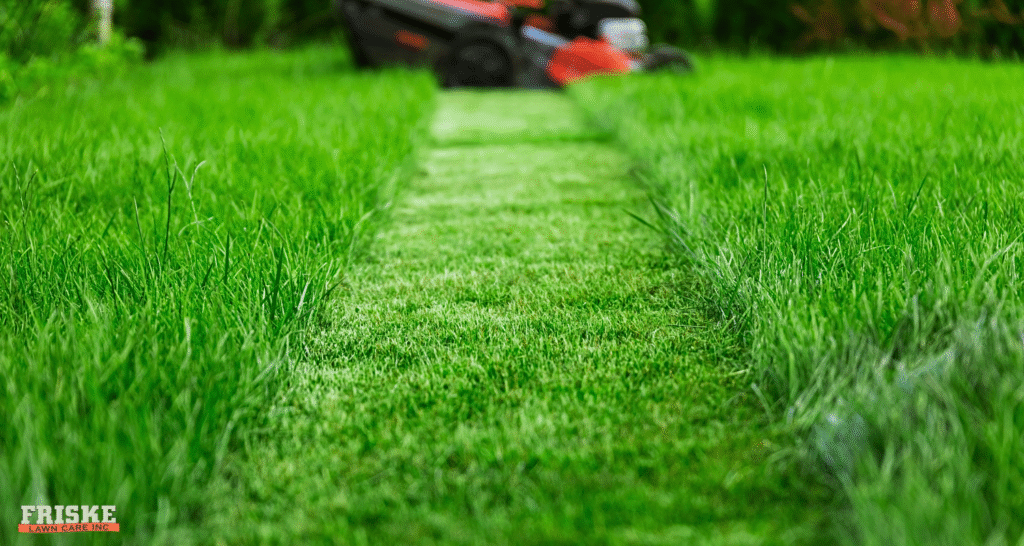
Lawns grow faster in spring because of warm temperaturesand more sunlight. These conditions help grass to absorb nutrientsand water better. Soil also becomes warmer, which helps roots grow. This is called the spring growth surge.
During this time, grass needs more waterand nutrientsto stay healthy. Cutting the lawn too short can hurt it. Mowing often helps keep the grass strong and stops weeds from growing.
| Impact on Lawn Health | Details |
|---|---|
| Faster Growth | Grass grows quickly and fills bare spots. |
| Stronger Roots | Roots grow deeper and hold soil better. |
| Better Color | Grass looks greener and healthier. |
| Weed Control | Frequent mowing reduces weed spread. |
Credit: friskelawncare.com
Choosing The Right Mower
Choosing the right mower helps keep your lawn healthy during spring. Different mowers suit different lawn sizes and types. A push mowerworks well for small yards. It is light and easy to use. A self-propelled mowermoves on its own, good for medium to large lawns. A riding moweris best for very big lawns. It saves time and effort.
Adjusting mower settings is key in spring. Grass grows fast and needs careful cutting. Set the mower blade higher than usual. Cutting too short can hurt the grass. Raise the blade to about 3 inches for spring. This helps grass stay strong and green.
| Type of Mower | Best For | Key Feature |
|---|---|---|
| Push Mower | Small lawns | Lightweight and easy to use |
| Self-Propelled Mower | Medium to large lawns | Moves on its own, less effort |
| Riding Mower | Very large lawns | Saves time and energy |
Optimal Mowing Frequency
The best timeto mow is during the spring growth surge. Grass grows quickly and needs more care. Mow often to keep it healthy.
Signs to mow more often include:
- Grass blades are longer than usual.
- You see uneven patches in the lawn.
- Grass feels thick or heavy underfoot.
- Growth rate speeds up after rain or sun.
Balancing growth and stress is key. Cutting too short can harm grass. Cut only the top third of blades at a time. This keeps the lawn strong.
Proper Mowing Techniques
Spring makes grass grow fast. It’s important to cut it right. Keep the grass at 3 to 4 inches tall. Cutting too short hurts the grass. Taller grass shades the soil. This keeps it cool and moist. Short grass dries out quickly. It also invites weeds and pests. Adjust your mower’s height. Check the setting before each mow. Grass height matters for a healthy lawn.
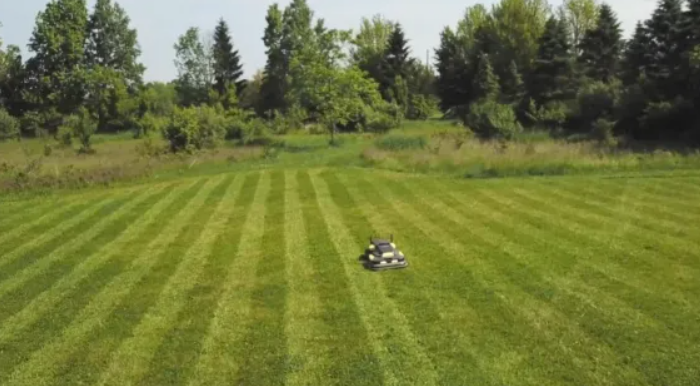
Change your mowing pattern each time. This helps the grass grow strong. Always cut in a different direction. This keeps the soil from compacting. It also stops grass from bending one way. Avoid mowing in straight lines always. Mix it up with circles or diagonals. This keeps your lawn healthy and happy.
Dealing With Wet Or Uneven Lawns
Mowing wet grasscan cause clumps and damage to your lawn. Wait until the grass is dry enoughto avoid tearing. Use a mower with sharp bladesto get a clean cut. Mow at a higher settingto reduce stress on the grass during wet conditions.
Uneven lawns with slopes and bumps need careful handling. Mow across slopes, not up and down, for better balance. Slow down on bumpy areas to avoid damage. Use a lighter mowerto prevent sinking into soft spots. Regularly check your mower for maintenanceto ensure smooth operation on tough terrain.
Credit: www.yarbo.com
Post-mowing Care
Cleaning lawn mower blades and deck after use helps prevent rust and damage. Use a brush or cloth to remove grass clippings and dirt. Check blades for sharpness; dull blades cut grass unevenly. Sharpen or replace blades as needed to keep your lawn healthy.
Store equipment in a dry place to avoid moisture buildup. Regular oil changes keep the mower running smoothly. Inspect the air filter and clean or replace it to improve engine performance. Tighten loose bolts and screws before storage.
After mowing, water the lawn deeply but less often to encourage strong roots. Avoid heavy foot traffic on wet grass to prevent soil compaction. Apply fertilizer to support new growth, but follow recommended rates to avoid damage.
- Remove grass clippings from mower
- Sharpen or replace blades
- Change oil regularly
- Clean or replace air filter
- Tighten bolts and screws
- Water lawn deeply, less often
- Avoid walking on wet grass
- Use fertilizer carefully
Common Mistakes To Avoid
Cutting too shortcan harm your lawn during spring growth. Grass needs enough leaf length to make food and stay healthy. Cutting too short stresses the grass and can cause brown spots or weeds.
Better to raise the mower blade and cut only the top third of the grass. This helps the grass stay strong and recover quickly.
Ignoring lawn health signalsmay cause problems. Watch for signs like yellowing, thinning, or pests. These signs show the lawn needs care, like watering or feeding.
Pay attention to these signals to keep your lawn green and thick.
Frequently Asked Questions
How Often Should I Mow During Spring Growth Surge?
During spring growth surge, mow your lawn every 5 to 7 days. This frequency prevents overgrowth and promotes healthy grass development. Adjust mowing based on growth rate and weather conditions to maintain an even, green lawn.
What Is The Ideal Mowing Height In Spring?
Set your mower blade to 2. 5 to 3 inches in spring. This height encourages strong roots and prevents weed growth. Avoid cutting more than one-third of the grass blade at once to keep lawn stress low.
Should I Change Mowing Patterns During Spring Growth?
Yes, changing mowing patterns prevents soil compaction and uneven grass wear. Alternate directions each time you mow to promote upright grass growth and a thicker lawn appearance. This also helps avoid ruts and bare patches.
Can I Mow Wet Grass During Spring Growth Surge?
It’s best to avoid mowing wet grass to prevent clumping and turf damage. Wait until the lawn is dry to ensure clean cuts and protect grass health. Wet mowing can lead to uneven cutting and mower clogging.
Conclusion
Spring growth can make mowing a challenge, but it’s manageable. Keep your mower blades sharp for a clean cut. Cut only one-third of the grass height each time. This helps the lawn stay healthy and strong. Water your lawn early in the day to avoid disease.
Regular mowing encourages thicker, greener grass. Watch for weeds and remove them quickly. A well-maintained lawn looks great and lasts longer. Stay consistent and patient with your care routine. Your lawn will thank you with vibrant spring growth. Simple steps make a big difference.





