Are you worried about keeping your lawn healthy during a hot summer drought? You’re not alone.
When the sun is blazing and water is scarce, mowing your lawn can feel like a tricky task. But with the right approach, you can keep your grass green and strong without wasting water or damaging your yard. You’ll discover simple, practical tips that make mowing during dry spells easier and more effective.
Keep reading to learn how to protect your lawn and make it thrive, even when the heat is on.

Credit: www.lawnmasters.co.nz
Preparing Your Lawn
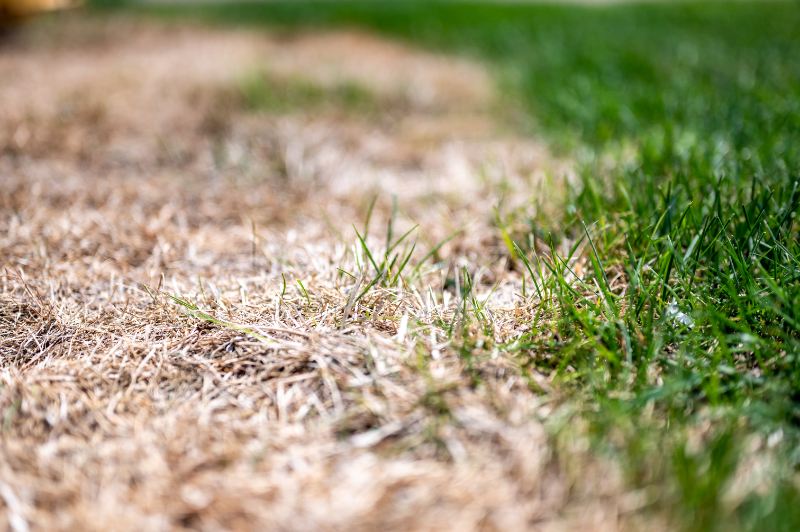
Check your grass for color and thickness. Brown or thin patchesshow stress from drought. Grass with deep green color is usually healthier.
Raise the mower blade to a higher setting. Cutting grass too short can harm it during dry times. Taller grass keeps roots cooler and holds moisture better.
Remove leaves, sticks, and other debris from the lawn. This helps sunlight reach the grass and air to flow freely. Clear grass grows stronger and stays healthier.
Best Mowing Practices
Mowing frequencyshould be less during summer droughts. Cutting grass too often can stress it. Let grass grow a bit longer to keep roots safe and soil moist.
The best time to mowis early morning or late evening. This avoids the heat of the day, which can harm the grass. Mowing in cooler hours helps grass recover faster.
Always use sharp blades. Dull blades tear grass, causing damage and stress. Sharp blades cut cleanly, helping grass stay healthy and resist drought better.
Watering Strategies
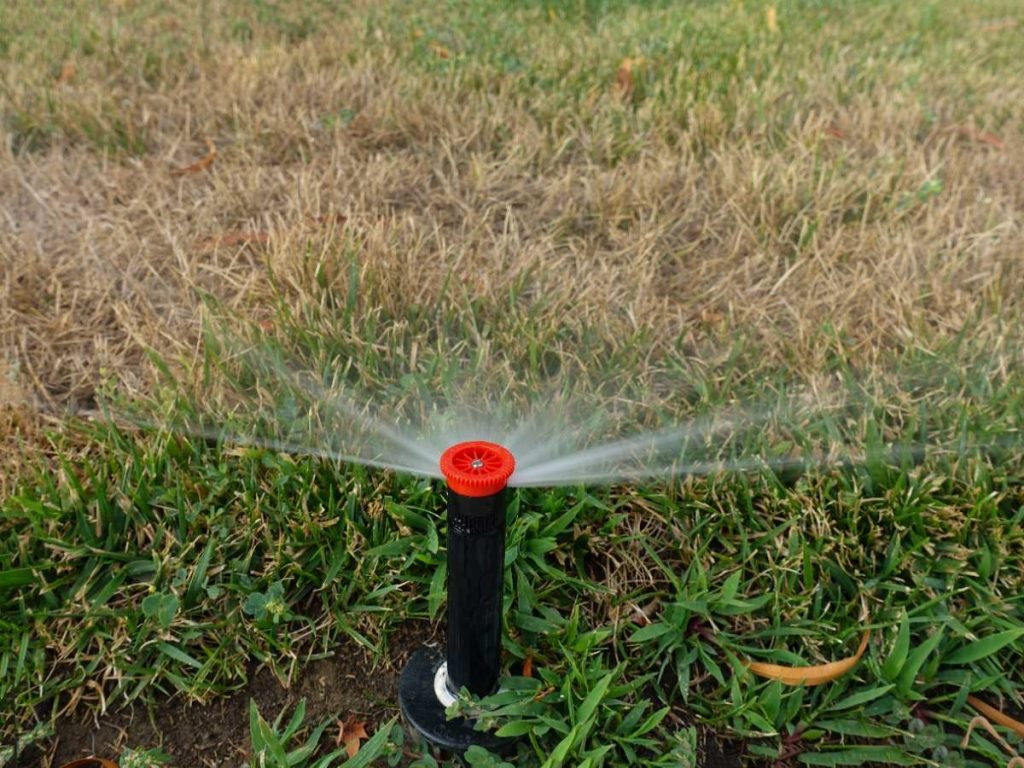
Watering your lawn early in the morninghelps reduce water loss. The best time is before the sun heats up. Evening watering can leave grass wet overnight. This might cause fungus and disease.
Use about 1 inch of water weeklyduring drought. This keeps grass healthy without wasting water. Too much water can drown roots and cause problems. Check soil moisture to avoid overwatering.
- Water deeply but less often to encourage strong roots.
- Stop watering if the soil feels wet or muddy.
- Adjust watering based on weather and grass type.
Credit: www.lawnstarter.com
Additional Lawn Care Tips
Raise mower blades to keep grass longer and reduce stress. Mow early in the morning to avoid heat damage. Leave grass clippings to help retain soil moisture.
Fertilizing During Drought
Use less fertilizer during drought. Too much can hurt the grass. Choose a slow-release type. It feeds the lawn over time. Water the lawn early morning. This helps grass absorb nutrients well. Avoid fertilizing when the sun is strong. It can cause stress to grass.
Aeration Benefits
Aeration helps lawns breathe better. It breaks up compact soil. Roots get more air and water. This makes grass healthier. Use a garden fork to poke holes. Do this once a year. Aeration helps grass stay green longer.
Dealing With Brown Patches
Brown patches can appear in drought. Water deeply once a week. Let the soil dry out between watering. Check for bugs or pests. They can cause brown spots too. Remove dead grass. This lets new grass grow better. Apply a light layer of compost. It adds nutrients back to the soil.
Signs Of Lawn Stress
Wilting grassis a clear sign of stress during drought. Leaves curl or fold, looking weak. The blades may feel soft or limp.
Color changesalso signal trouble. Grass turns yellow, brown, or dull greeninstead of vibrant green. These shifts mean the lawn lacks water.
Soil conditionis important too. Dry, hard soil stops roots from getting moisture. You may notice cracks or dust on the soil surface. Soft, moist soil helps grass grow well.

Credit: fairwaylawns.com
Frequently Asked Questions
How Often Should I Mow My Lawn During A Summer Drought?
Mow your lawn less frequently during droughts, about once every 10 to 14 days. This reduces stress on grass and helps conserve water. Avoid cutting too short to protect roots and soil moisture.
What Grass Height Is Best In Summer Drought Conditions?
Keep your grass height between 3 to 4 inches during droughts. Taller grass shades the soil and retains moisture better. This helps the lawn survive heat and dry spells more effectively.
Should I Water Before Or After Mowing In Drought?
Water your lawn lightly before mowing if the soil is very dry. This softens the grass for a cleaner cut. Avoid heavy watering to conserve water and reduce disease risk.
Can Mowing Too Low Harm My Drought-stressed Lawn?
Yes, mowing too low weakens grass roots and increases drought damage. Maintain a higher cut to protect grass health and improve its ability to survive dry conditions.
Conclusion
Mowing your lawn during a summer drought needs care and patience. Cut the grass higher to keep it safe from heat. Use sharp blades for clean cuts and less damage. Water the lawn early in the morning to save moisture.
Avoid mowing when the grass is dry or stressed. These small steps help your lawn stay healthy and green. Keep watching your lawn’s needs each week. A little attention goes a long way. Your lawn will thank you with better growth and color.





