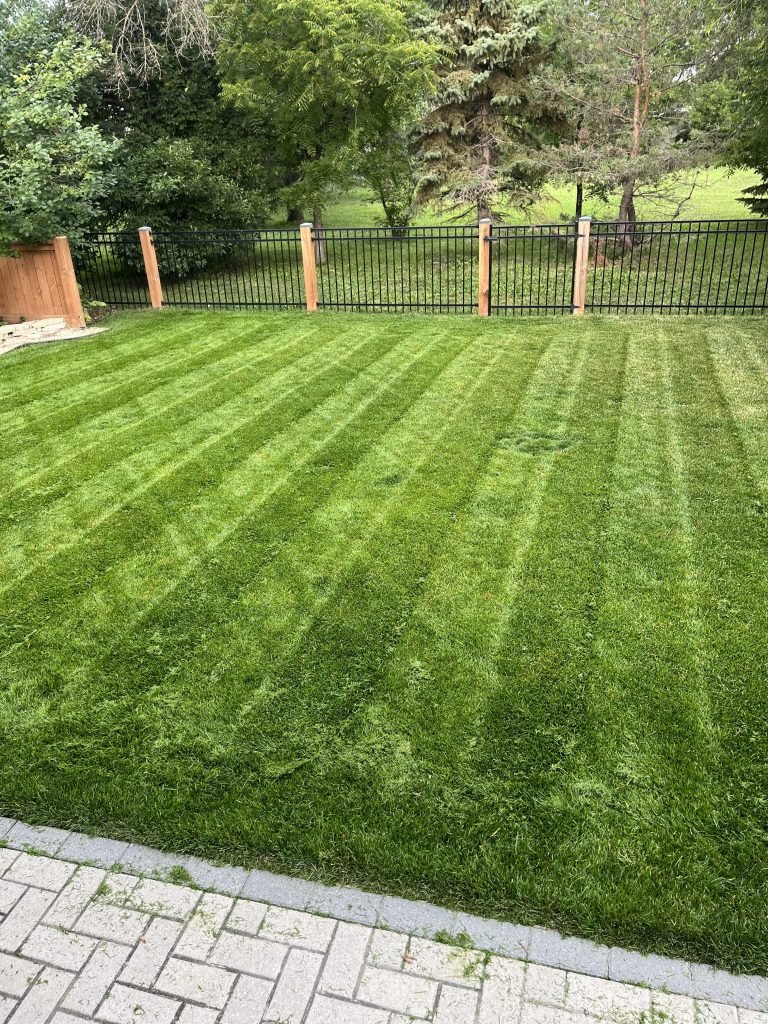
Have you ever admired those perfectly striped lawns that look like they belong in a magazine? You might be wondering if you can achieve that same look in the fall.
The good news is, yes—you can stripe your lawn during this season. But there are a few things you need to know to get the best results. Keep reading, and you’ll discover simple tips to make your lawn stand out even as the weather cools down.
Your yard will thank you!
Benefits Of Fall Lawn Striping
Fall lawn stripinggives your yard a neat and fresh look. The stripes create a pattern that makes grass look thicker and well cared for. This simple visual trick can increase your lawn’s curb appeal instantly.
Striping also helps promote healthy grass growth. Rolling the lawn encourages grass blades to grow upright. It can improve air circulation and sunlight reaching the grass, which helps grass stay strong and green.
Preparing the lawn for winteris easier with striping. It makes the grass lie flat, reducing damage from snow and frost. This helps your lawn recover faster in spring and stay healthy all year.
Credit: www.lawnstarter.com
Best Grass Types For Fall Striping
Cool-season grassesgrow best in fall. They stay green and healthy as temperatures drop. Common types include Kentucky bluegrass, fescue,and ryegrass.These grasses respond well to striping because their blades are wide and flexible. They stay active longer in cool weather, making striping patterns clear and attractive.
Warm-season grasseslike Bermuda, zoysia,and St. Augustinestart to slow down in fall. These grasses go dormant when it gets cold. Their color fades to brown, so striping is less visible. Striping works best before dormancy sets in, usually in early fall.
| Grass Type | Best Time for Striping | Dormancy Behavior |
|---|---|---|
| Cool-season grasses | Fall | Stay green and active |
| Warm-season grasses | Early fall | Go dormant and brown |
Grass dormancy affects striping. Dormant grass does not reflect light well. This makes stripes faint or invisible. Striping works best on active, green grass.Timing is key to get crisp, clear lawn stripes in fall.
Ideal Weather Conditions
For stripe lawnin fall, the temperatureshould be between 50°F and 70°F. Cooler temperatures slow grass growth but help stripes form nicely. Avoid very cold or hot days to keep grass healthy.
Soil moisturemust be just right — not too dry or too wet. Moist soil helps the mower blades cut cleanly and make clear stripes. Water the lawn lightly before mowing if the soil is dry.
- Soil should feel damp but not soggy.
- Too wet soil can cause uneven stripes.
- Dry soil may damage grass blades.
Avoid mowing if frost is on the grass. Frost can make blades brittle and cause damage. Wait until frost melts and grass is soft before stripe mowing. This protects the lawn and keeps stripes sharp.

Credit: www.reddit.com
Lawn Mowing Techniques For Striping
Choosing the right mower is key for clear stripeson your lawn. A mower with a rollerhelps bend the grass blades in different directions. This bending creates the light and dark stripe effect. For best results, use a mower that is well-maintainedand has consistent speed.
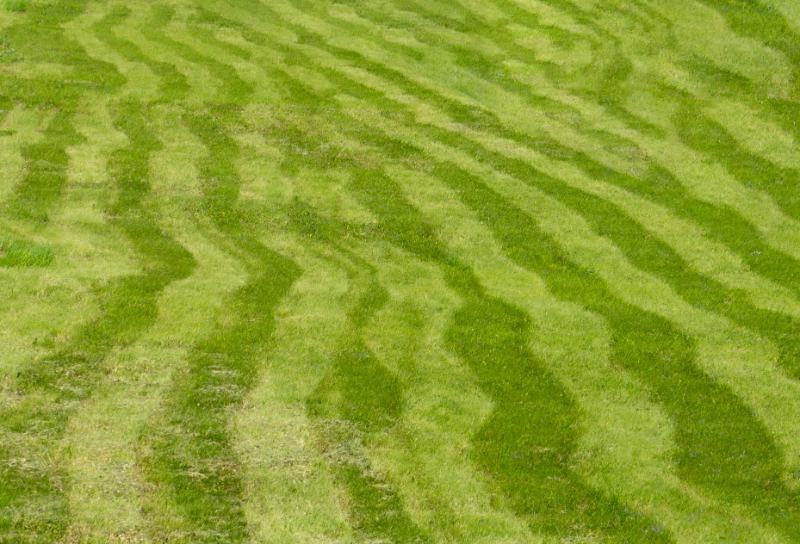
Mowing patterns make a big difference. Straight lines look neat, but curves can add a unique touch. Overlap each pass slightly for even striping. Change direction regularly to avoid damaging the grass.
| Blade Sharpness | Height Settings |
|---|---|
| Keep blades sharpfor a clean cut. | Set mower height to avoid cutting too low. |
| Dull blades tear grass, causing brown edges. | Adjust height based on grass type and season. |
| Sharp blades help grass grow healthier and stronger. | Higher cuts protect grass in fall and cooler months. |
Step-by-step Fall Striping Process
Start by clearing the lawn of leaves and debris. Mow the grass to a medium height for best results. Check the mower blades to ensure they are sharp. This helps create clean and crisp stripes on the lawn.
Choose simple patterns like straight lines or checkerboards. Push the mower slowly and steadily. Change directions carefully to make the stripes stand out. Use the sun angle to enhance the striping effect.
- Water the lawn lightly after striping.
- Avoid heavy foot traffic to keep stripes clear.
- Remove grass clippings gently to prevent patchiness.
- Apply a light fertilizer to support lawn health.
Common Mistakes To Avoid
Ensure your mower blades are sharp to avoid tearing grass. Adjust your mower height for the season. Avoid cutting wet grass to prevent uneven stripes.
Mowing Too Short
Mowing the lawn too short is a common mistake. Grass needs to be tall enough to stripe well. Short grass can weaken and damage easily. This can lead to an unhealthy lawn. Keep the mower blades high for the best results. A healthy lawn stripes better and looks great.
Ignoring Lawn Health
Lawn health is important for striping. A weak lawn won’t stripe well. Regular watering and feeding keep it strong. Check for pests and weeds regularly. A healthy lawn has fewer problems. Strong grass grows better and looks neat. Keep it healthy for the best stripes.
Striping On Wet Grass
Striping on wet grass can be a problem. Wet grass bends and doesn’t stripe well. It can also cause mower damage. Wait for the grass to dry after rain. Dry grass stands tall and stripes easily. This keeps your lawn and equipment in good shape.
Tools And Equipment For Striping
Lawn striping kitsmake creating patterns easy. They often include a roller and a guide. These kits help press grass blades down to show stripes.
Rollers and brushespush the grass in one direction. Rollers work best on flat lawns. Brushes can help with textured or uneven areas.
| Maintenance Tips | Description |
|---|---|
| Clean Tools | Remove dirt and grass after each use to keep tools working well. |
| Check for Damage | Look for cracks or worn parts and fix them before next use. |
| Store Properly | Keep equipment in a dry place to prevent rust and damage. |

Credit: www.reddit.com
Enhancing Yard Aesthetics Beyond Striping
Fall fertilizationhelps grass store nutrients for winter. Applying the right fertilizer in fall boosts root growth. It makes the lawn stronger and healthier for spring.
Leaf managementis key during fall. Leaves left on the grass can block sunlight and air. Raking or mulching leaves keeps the lawn clean and healthy. It prevents disease and helps grass grow well.
Winterizing your lawnprepares it for cold weather. This includes watering before the first freeze and mowing slightly shorter. Removing garden debris stops pests and mold. These steps protect the lawn through winter months.
Frequently Asked Questions
Can You Stripe Lawn In Fall Season?
Yes, you can stripe your lawn in fall. The grass is still active, allowing for visible stripes. Fall striping enhances lawn aesthetics before winter dormancy.
What Grass Types Show Best Fall Striping?
Cool-season grasses like fescue, ryegrass, and bluegrass stripe best in fall. Their growth remains active, making stripes more distinct and lasting longer.
Does Fall Striping Harm The Lawn?
No, fall striping does not harm the lawn if done properly. Use sharp mower blades and avoid excessive passes to prevent grass damage.
How Often Should You Stripe Lawn In Fall?
Stripe your lawn every 1-2 weeks in fall. This frequency maintains clear stripes without stressing the grass as it prepares for winter.
Conclusion
Striping your lawn in fall can boost its look and health. Grass grows slower, but striping still adds style. The cooler weather helps the lawn recover from mowing. Use sharp blades and mow when grass is dry. Avoid striping if the grass is weak or dormant.
Fall striping keeps your yard neat through the season. Try it and enjoy a clean, striped lawn all autumn long. Simple care makes a big difference in lawn beauty.





