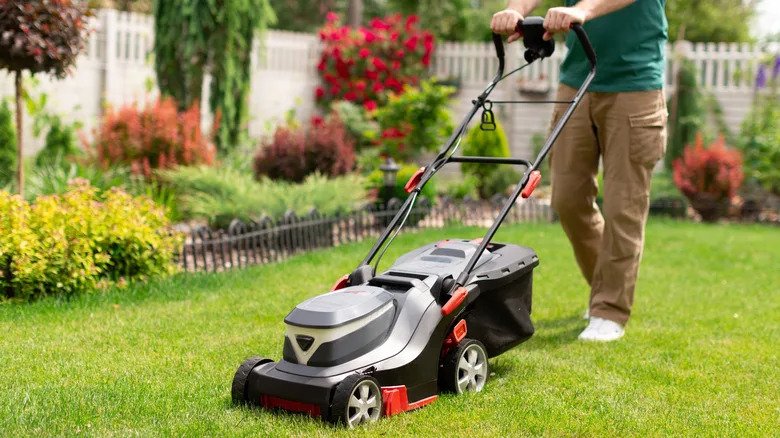
Are you tired of high energy bills every time you mow your lawn? What if you could keep your yard looking great while saving money on electricity?
Mowing your lawn doesn’t have to be a costly chore. With a few smart tips and simple changes, you can cut down energy use and still get that perfect trim. Keep reading to discover easy ways you can mow your lawn more efficiently and watch your energy costs drop.
Your wallet—and your yard—will thank you!

Credit: www.yahoo.com
Choosing The Right Mower
Choosing the right mower helps save energy and money.
Gas mowersare powerful but use fuel and create emissions. They need regular maintenance and fuel costs add up.
Electric mowersrun quieter and produce no direct emissions. They need less care and save on fuel expenses.
Battery-powered mowers offer freedom from cords. They are lightweight and easy to use but need charging time.
Eco-friendly featureslike mulching blades reduce waste. Some mowers have energy-saving modes to use less power.
| Mower Type | Energy Use | Maintenance | Eco Impact |
|---|---|---|---|
| Gas | High | Regular fuel and parts | Emits pollution |
| Electric (Corded) | Moderate | Low | Zero emissions |
| Battery-Powered | Low | Battery care | Zero emissions |
Optimal Mowing Techniques
Best mowing heighthelps grass stay healthy and saves energy. Set mower blades to cut about 2.5 to 3 inches tall. Taller grass keeps soil cool and holds moisture longer. Avoid cutting grass too short. Short grass needs more water and energy to grow back.
Timing your mowcan reduce energy use. Mow early in the morning or late afternoon. Grass is cooler and less stressed at these times. Avoid mowing when it is hot or sunny. This helps grass recover faster and uses less water.
- Proper mowing patternsimprove lawn health and save energy.
- Change direction each time you mow to prevent soil compaction.
- Overlap mower paths slightly to avoid missed spots.
- Use slow, steady movements to reduce mower fuel use.
Lawn Care For Energy Efficiency
Keep your lawn neat and trim to save energy. Mow regularly but avoid cutting grass too short. Taller grass shades the soil, keeping it cool and moist. This reduces the need for frequent watering.
Water your lawn early in the morning or late in the evening. This prevents water loss from evaporation. Use a sprinkler system with a timer to control water use. Rainwater harvesting can also help save water and energy.
Apply fertilizer carefully to boost grass health. Choose slow-release fertilizers for steady nutrition. Avoid over-fertilizing, which wastes energy and harms the environment. Test soil to apply the right amount of nutrients.

Credit: www.wsj.com
Energy-saving Mower Maintenance
Keeping mower blades sharp helps cut grass cleanly. Dull blades waste energy and make the engine work harder. Regular blade sharpening saves fuel and extends blade life.
Engines run better with tune-ups. Change spark plugs and clean air filters often. This keeps the mower using less fuel and running smoothly.
- Charge batteries fully before use.
- Store batteries in a cool, dry place.
- Check battery terminals for corrosion.
- Replace old batteries to keep power strong.
Alternative Lawn Care Methods
Manual reel mowers do not use gas or electricity. They work by cutting grass with sharp blades that spin as you push. This tool is quiet and good for small lawns. It also saves energy and reduces pollution. Plus, it gives you light exercise while mowing.
Grasscycling means leaving grass clippings on the lawn after mowing. These clippings break down fast and return nutrients to the soil. This helps the grass grow healthy and green. It also reduces the need for extra fertilizers, saving money and protecting the environment.
Choosing low-maintenance grass types can cut down on watering and mowing. Some grasses stay green with less water and grow slowly. This means less work and lower energy costs. Examples include Bermuda grass, Buffalo grass, and Fescue.

Credit: www.yahoo.com
Smart Scheduling To Save Energy
Mowing your lawn during cooler times like early morning or late evening reduces energy use. Scheduling regular mowing helps keep your lawn healthy and saves electricity. Using a timer for your mower cuts unnecessary power waste.
Mowing your lawn in the early morning or late afternoon saves energy. These are the off-peak hours. Electricity costs less at these times. This helps you save money. It also reduces the load on power plants. Avoid mowing when it’s very hot or cold. Extreme weather stresses your lawn. It also makes your mower work harder. This uses more energy. Mow when the weather is nice. Your lawn and wallet will thank you. Create a lawn care calendar. Plan when to mow and water. This helps you avoid unnecessary work. It saves energy and time. Keep track of weather patterns. Adjust your schedule as needed. `Frequently Asked Questions
How Can Mowing Lawn Reduce Energy Costs?
Mowing your lawn regularly keeps grass healthy and dense, which lowers watering needs. Healthier grass absorbs more sunlight, reducing heat and cooling costs. Using energy-efficient mowers also cuts electricity or fuel consumption, directly saving money on energy bills while maintaining a beautiful yard.
What Is The Best Time To Mow For Energy Savings?
Mow your lawn early in the morning or late afternoon to reduce water evaporation. Cooler temperatures mean less energy is needed for lawn care tasks. This timing helps keep grass healthier and reduces the need for extra watering, saving both energy and money.
How Does Grass Height Affect Energy Efficiency?
Keeping grass at a medium height conserves moisture and shades soil. Taller grass reduces evaporation, decreasing watering frequency and energy used for irrigation. Short grass exposes soil to sun, increasing heat and water needs, which raises energy consumption for cooling and watering.
Are Electric Mowers Better For Energy Savings?
Yes, electric mowers use less energy and produce zero emissions compared to gas mowers. They are quieter and require less maintenance. Using electric mowers can significantly reduce your lawn care energy costs and environmental impact.
Conclusion
Mowing your lawn smartly saves energy and cuts costs. Choose the right mower and mow during cooler hours. Keep your blades sharp for better cuts and less effort. Regular lawn care helps grass stay healthy and use less water. Small changes make a big difference in your energy bill.
Enjoy a green lawn without wasting power or money. Simple steps lead to a cleaner, cheaper way to care for your yard. Try these tips and see the savings grow.





