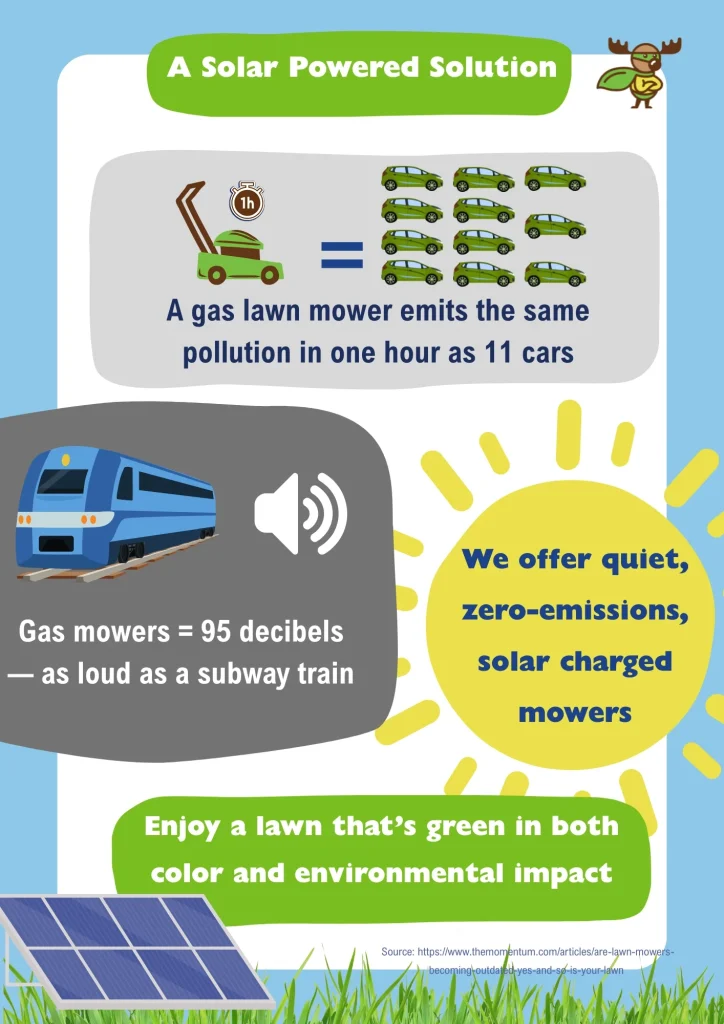
Have you ever wondered if the way you mow your lawn could actually help reduce emissions? You might think mowing is just about keeping your yard tidy, but it could play a bigger role in protecting the environment than you realize.
What if a simple change in your lawn care routine could lower your carbon footprint? Keep reading to discover surprising facts about mowing and how it might help you make a positive impact on the planet—right from your own backyard.

Credit: www.swisherinc.com
Mowing And Carbon Footprint
Gas mowersrelease more carbon dioxide and pollutants than electric mowers. Electric mowers run on batteries or electricity, producing fewer emissions. Gas mowers need fuel, which adds to air pollution and climate change. Electric mowers are quieter and cleaner.
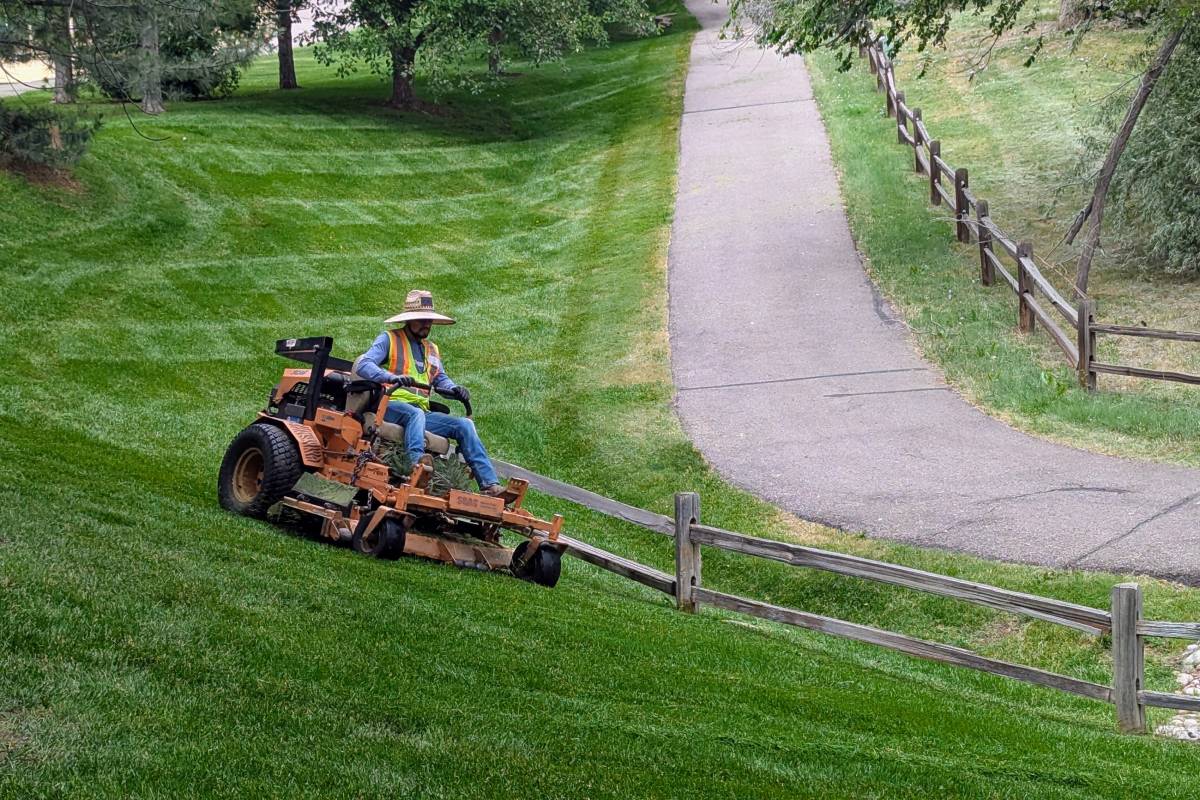
Cutting grass often affects emissions. Mowing once a weekusually keeps the lawn healthy and reduces the chance of overgrowth. Mowing less often can cause taller grass that needs more power to cut. This leads to more fuel use and emissions.
Well-maintained mowers work better and use less fuel. Regular oil changes, air filter cleaning, and blade sharpening help gas mowers run efficiently. Electric mower batteries last longer with good care. Poorly maintained mowers produce more pollution and waste energy.
Credit: www.cpr.org
Grass Growth And Carbon Capture
Grass plays a key rolein capturing carbon from the air. It absorbs carbon dioxide and stores it in the soil. This process helps reduce harmful emissions.
Mowing affects how grass grows and captures carbon. Cutting grass regularly can stimulate new growth. Young grass tends to absorb carbon faster than old grass. But cutting too often may stress the grass and reduce its ability to store carbon.
Grass growth cycles depend on mowing frequency. Here is how mowing influences grass:
- Frequent mowing:Promotes fresh growth but can reduce root depth.
- Infrequent mowing:Allows taller grass but may slow carbon uptake.
- Balanced mowing:Maintains healthy grass and better carbon capture.
Mulching Benefits
Mulching lawn clippingshelps to cut down on yard waste. Instead of throwing grass away, mulching lets it return to the soil. This process lowers the amount of waste sent to landfills. Less waste means fewer emissions from trucks and landfill sites.
Mulched grass also improves soil health. It adds important nutrients back into the earth. These nutrients help grass and plants grow strong. Mulching keeps the soil moist and stops it from washing away.
| Benefits | Details |
|---|---|
| Reduces Waste | Less grass clippings thrown away |
| Soil Nutrition | Returns nutrients to soil |
| Soil Moisture | Helps soil keep water |
| Prevents Erosion | Keeps soil from washing away |
Biodiversity And Lawn Care
Mowing can hurt insect populations in lawns. Butterflies and bees lose their home. They need flowers to find food. Short grass means fewer flowers. This makes it hard for them to survive. Insects are important for the environment. They help plants grow and spread. Without them, plants can’t make seeds easily.
It’s possible to care for lawns and protect wildlife. Mow less often to help insects. Let some areas grow taller. This gives insects a safe place. Planting native flowers can also help. These flowers attract more insects. They offer food and shelter. This keeps the ecosystem healthy. It’s good for both lawns and wildlife.
Alternative Lawn Practices
No-mow and low-mow optionshelp reduce lawn emissions by cutting less often. Less mowing means lower fuel useand less air pollution. Grass grows longer, which can improve soil health and keep moisture better. These options also support more insects and birdsin your yard.
Native plants are a great choice for eco-friendly lawns. They need less water, fertilizer, and care. Native plants also provide food and shelter for local wildlife. Choosing native species helps the environment and keeps your lawn green with less work.
| Practice | Benefits |
|---|---|
| No-Mow Lawns | Less fuel use, more wildlife, healthier soil |
| Low-Mow Lawns | Lower emissions, retains moisture, good for pollinators |
| Native Plants | Less water and fertilizer, supports local wildlife |
Credit: pirg.org
Community And Environmental Impact
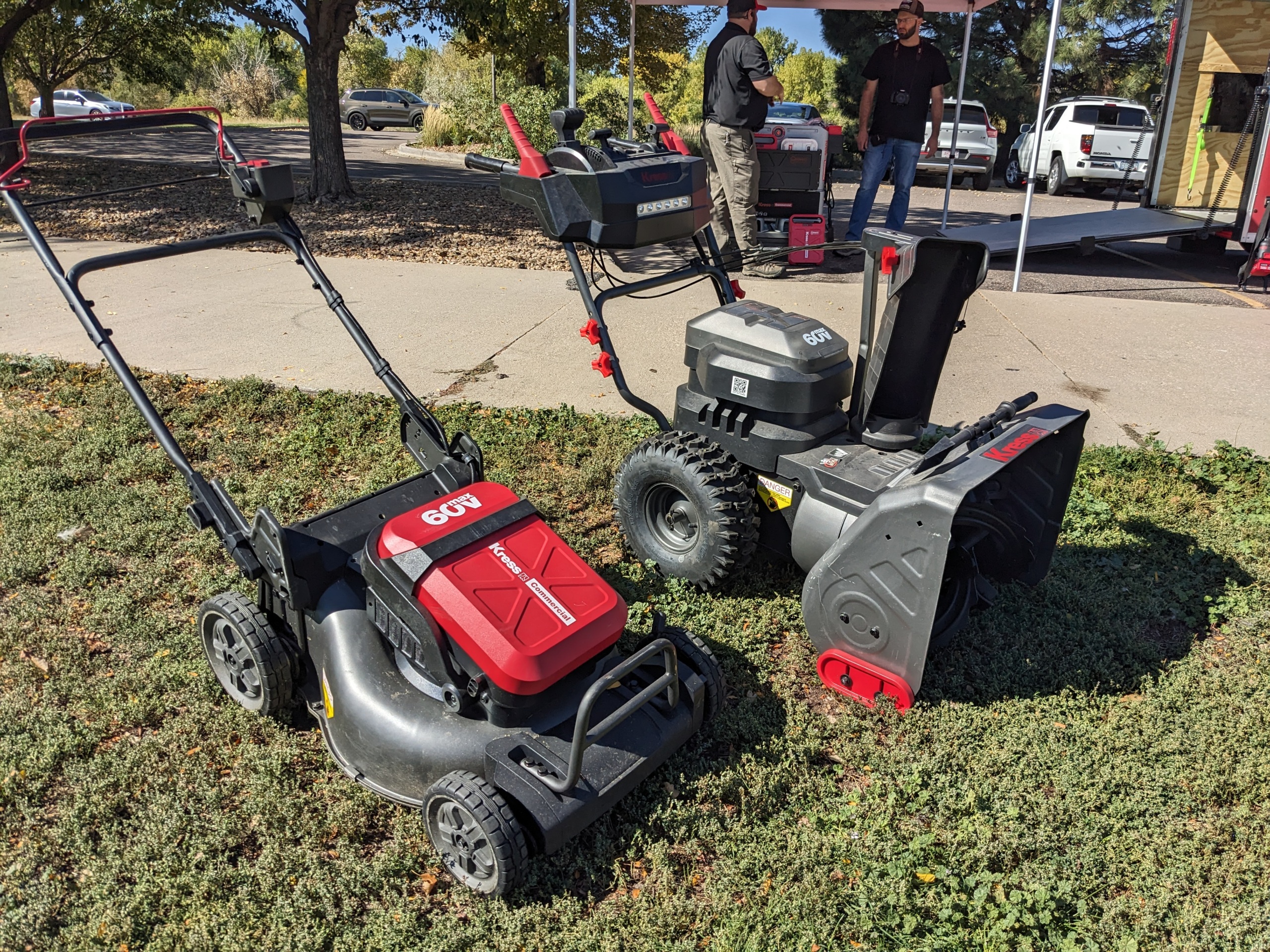
Communities can help cut emissionsby changing how they care for lawns. Using electric mowersinstead of gas ones lowers pollution. Grass clippings left on the lawn add nutrients and reduce the need for chemical fertilizers. Watering lawns less often saves energy and helps the environment.
Local groups can share tips on green lawn care. They encourage neighbors to use eco-friendly tools and methods. This teamwork lowers overall emissions in the area and makes the neighborhood cleaner.
| Policy | Incentives |
|---|---|
| Rules for electric mower use | Discounts on electric lawn equipment |
| Limits on fertilizer chemicals | Free lawn care workshops |
| Watering restrictions during dry months | Rebates for rainwater harvesting |
Frequently Asked Questions
Can Mowing Lawn Help Reduce Greenhouse Gas Emissions?
Mowing lawns regularly can reduce greenhouse gas emissions by lowering grass height. Shorter grass requires less energy for maintenance. This decreases fuel consumption from lawn mowers, cutting carbon dioxide output. Proper mowing also promotes healthier grass that absorbs more carbon from the atmosphere.
How Does Lawn Mowing Affect Carbon Footprint?
Lawn mowing impacts carbon footprint depending on mower type and frequency. Gas-powered mowers emit more carbon dioxide than electric ones. Frequent mowing with efficient equipment reduces grass overgrowth, lowering overall emissions. Choosing eco-friendly mowers and mowing smartly minimizes your lawn care carbon footprint.
Does Mowing Lawn Improve Air Quality?
Yes, mowing lawns can improve air quality by promoting healthy grass growth. Healthy grass traps dust and pollutants, filtering the air naturally. However, using gas-powered mowers can release pollutants, so electric or manual mowers are better choices for air quality.
What Is The Best Mowing Practice To Reduce Emissions?
The best practice is to mow regularly with electric or manual mowers. Keep grass at recommended heights to boost growth and carbon absorption. Avoid excessive mowing or letting grass grow too tall. These habits reduce fuel use and emissions from lawn maintenance.
Conclusion
Mowing your lawn can help lower emissions if done right. Choosing electric or manual mowers reduces pollution. Cutting grass regularly keeps it healthy and green. Leaving grass clippings on the lawn adds natural fertilizer. This saves trips to the landfill and cuts waste.
Small changes in lawn care can protect the environment. Everyone can play a part by mowing smart and clean. Simple steps lead to greener, fresher air for all.





