If you want your lawn to look its best, knowing the right mowing height for fine fescue is key. Cutting your grass too short or too tall can harm its health and appearance.
But don’t worry—this guide will help you find the perfect height to keep your lawn green, lush, and strong all season long. Keep reading, and you’ll discover simple tips that make a big difference for your yard. Your grass will thank you!

Credit: www.gardeningknowhow.com
Ideal Mowing Height
The optimal mowing heightfor fine fescue lies between 1.5 to 2.5 inches. This height keeps the grass healthy and strong. Cutting below this range can stress the grassand make it weak.
Mowing too low causes several problems. It can expose soil, making the lawn dry and prone to weeds. Grass blades may turn brownand thin out. This also makes the lawn more sensitive to heatand drought.
Maintaining the right height offers many benefits:
- Healthier rootsthat grow deeper
- Better water retentionin soil
- Stronger grass blades that resist disease
- Less growth of weeds
- A lawn that looks green and lush
Credit: genesissodfarms.com
Types Of Fine Fescue
Creeping Red Fescuespreads with underground stems. It grows well in shaded areas. This type is soft and fine-textured. It tolerates dry soil better than many grasses.
Chewings Fescuestays in clumps and grows slowly. It has thin, fine leaves. It works well in cool, shaded spots. It needs less mowing and watering.
Hard Fescueis tough and drought-resistant. It grows in poor soil and shady places. It has a coarse texture but stays green longer. It needs little care and low mowing height.
Seasonal Mowing Tips
Spring Adjustmentsrequire raising the mower height to about 3 inches. This helps the grass grow strong after winter. Keep blades sharp to avoid tearing the grass. Mow less often but do not let grass get too tall.
Summer Caremeans lowering the mower slightly to 2 to 2.5 inches. This reduces stress on the grass during hot weather. Water early in the morning to keep roots healthy. Avoid cutting wet grass to prevent damage.
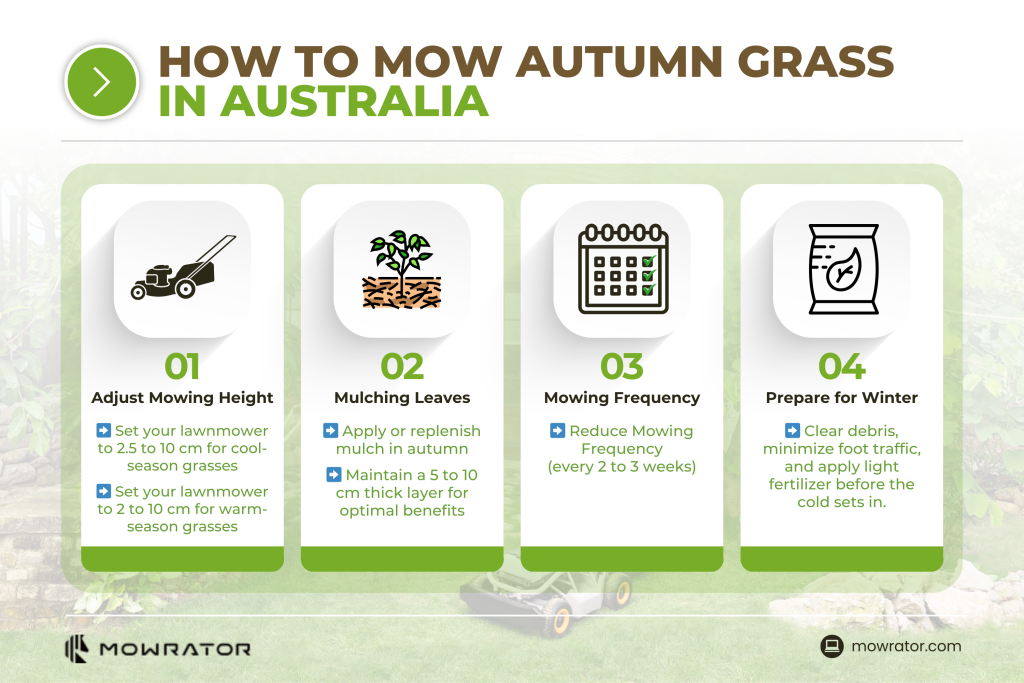
Fall Preparationinvolves raising the mower height again to 3 inches. This allows grass to store energy for winter. Remove leaves and debris to avoid mold growth. Mow regularly until growth stops for the season.
Mowing Frequency
Fine fescue needs regular mowing. Once a week is usually enough. This keeps the grass healthy and neat. Mowing often also prevents weeds from growing. Use a sharp mower blade for a clean cut. A dull blade can tear the grass. This might lead to disease.
Fine fescue growth depends on several factors. Weather plays a big role. Warm and wet weather makes grass grow faster. Fertilizer can also boost growth. But too much fertilizer can harm the grass. Soil quality affects how well grass grows. Poor soil might need extra care.
Grass stress can make it weak. Mow only one-third of the grass height at a time. This prevents stress and keeps grass strong. Avoid mowing during very hot days. Grass is more sensitive when it’s hot. Water the grass after mowing if it’s dry outside.
Additional Lawn Care Practices
Fine fescue needs consistent watering. Water deeply but less often. This helps roots grow strong.
Early morning is the best timeto water. It reduces water lossthrough evaporation. Avoid watering at night to prevent disease.
Use a slow-release fertilizerfor steady growth. Apply in spring and fall. Too much fertilizer causes weak grassand weeds.
Control weeds by pulling them outor using a weed killermade for fine fescue. Healthy grass stays thickand stops weeds from growing.
Common Mowing Mistakes
Scalpinghappens when grass is cut too short. This can hurt the roots and cause bare spots. Fine fescue needs to stay a bit taller to stay healthy.
Dull blades tear grass instead of cutting it. This makes the lawn look brown and patchy. Sharp blades give a clean cut and help grass grow better.
Uneven cutting leaves some spots too short and others too tall. This can make the lawn look messy and unhealthy. Regular mower checks help keep the cut even.

Credit: www.reddit.com
Frequently Asked Questions
What Is The Best Mowing Height For Fine Fescue Grass?
The ideal mowing height for fine fescue is 2 to 3 inches. This height promotes healthy growth and dense turf. It also helps prevent weed invasion and drought stress. Regular mowing at this height keeps your lawn looking lush and well-maintained.
How Often Should I Mow Fine Fescue During Growing Season?
Mow fine fescue every 7 to 10 days during peak growth. This frequency prevents cutting more than one-third of the grass blade. Proper mowing intervals encourage strong roots and reduce lawn stress. Adjust mowing based on growth rate and weather conditions.
Can Mowing Fine Fescue Too Short Damage The Lawn?
Yes, mowing fine fescue too short can cause stress and thinning. Cutting below 2 inches weakens the grass and exposes soil. This leads to weed problems and increased water needs. Always maintain the recommended height to keep your lawn healthy.
Should I Adjust Mowing Height In Different Seasons?
Yes, raise mowing height slightly in summer to 3 inches. This helps conserve moisture and reduce heat stress. In spring and fall, keep it around 2 to 2. 5 inches. Seasonal adjustments improve fine fescue’s resilience and overall lawn health.
Conclusion
Maintaining the best mowing height helps fine fescue stay healthy and green. Cut the grass between 1. 5 to 2. 5 inches for optimal growth. This height lets the grass absorb sunlight and water well. Mowing too short can stress the grass and cause browning.
Keep your mower blades sharp for clean cuts. Regular mowing at the right height reduces weeds and pests. A well-kept lawn looks nice and lasts longer. Remember, simple care makes fine fescue thrive. Follow these tips for a beautiful, strong lawn all season.





