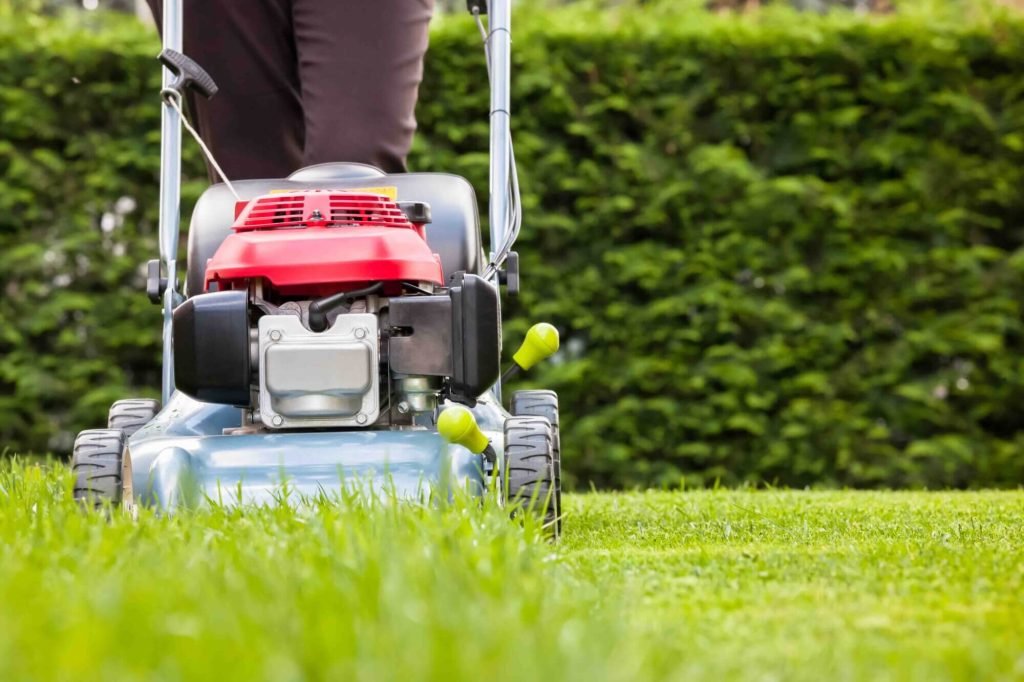
Is your lawn ready for its first cut after a long winter? Knowing exactly when to mow your lawn for the first time can make all the difference in how healthy and green your grass grows throughout the season.
If you cut too early, you might damage your lawn; wait too long, and it could get out of control. You’ll discover the simple signs to watch for and practical tips to ensure your lawn looks its best from the very first mow.
Keep reading to find out how to give your grass the perfect start this spring.
Signs Lawn Is Ready
Grass should be growingbefore mowing for the first time. Check if the grass blades reach around 3 inches tall. This shows the lawn is active and ready.
Soil temperaturematters a lot. The best time is when the soil warms up to about 50°F (10°C). Cold soil can harm grass roots if mowed too soon.
Moisture levels must be just right. The soil should be damp but not soggy. Mowing wet grass can cause clumps and damage the lawn.
| Indicator | What to Check | Reason |
|---|---|---|
| Grass Growth | Blades about 3 inches tall | Shows lawn is active and ready |
| Soil Temperature | At least 50°F (10°C) | Prevents root damage from cold soil |
| Moisture Levels | Soil damp, not soggy | Avoids clumping and lawn damage |

Credit: www.thelawnforum.com
Ideal Timing Factors
The best time to mowdepends on the climate. In cold areas, wait until the grass starts growing. In warmer places, grass may grow earlier.
Regional differencesaffect timing. Northern regions usually have a later start. Southern regions see growth earlier in spring. This means you should watch your local weather and grass condition.
Weather patterns also matter. Avoid mowing after heavy frost or snow. Wait for a few dry days. Grass cuts better when it is dry and growing. Wet grass can clump and damage the lawn.
Preparing Mower And Tools
Check the mower’s blade for sharpness. A sharp blade cuts grass cleanly and helps the lawn stay healthy. Dull blades tear grass, causing brown edges and disease.
Inspect the mower for any loose or damaged parts. Tighten screws and bolts to avoid accidents. Make sure the mower’s engine runs smoothly by checking the oil and fuel levels.
- Sharpen blades before first use after winter.
- Clean air filter for better performance.
- Check and tighten all bolts and screws.
- Inspect the spark plug and replace if needed.
- Test brakes and safety features.

Credit: www.reddit.com
Mowing Techniques For First Cut
Start by setting your mower to a high setting. Grass should be 3 to 4 inches tall after cutting. This height helps the grass grow strong and healthy. Short cuts can damage the lawn.
Mow when the grass is dry. Wet grass can cause clumps and uneven cuts. Always use sharp mower blades. Dull blades tear grass and cause stress. Mow in the morning or late afternoon. Avoid the hot midday sun to keep grass healthy.
- Check the mower’s fuel and oil levels.
- Inspect the mower blades for sharpness.
- Adjust the mower height to 3 or 4 inches.
- Mow the lawn slowly and evenly.
- Overlap each pass slightly for an even cut.
- Rake up any grass clippings if needed.
Aftercare Post Mowing
Fertilizingsoon after the first mow helps grass grow strong. Use a balanced fertilizer with nitrogen, phosphorus, and potassium. Avoid too much fertilizer; it can harm the grass. Apply fertilizer evenly to prevent patchy growth.
Water the lawn deeply but less often. This encourages deep roots. Early morning watering reduces evaporation. Avoid watering late at night to stop disease. Keep soil moist but not soggy.
- Remove weeds early to stop them from spreading.
- Use a weed control product safe for new grass growth.
- Hand-pull large or stubborn weeds.
- Keep mowing regularly to prevent weeds from flowering.
Common Mistakes To Avoid
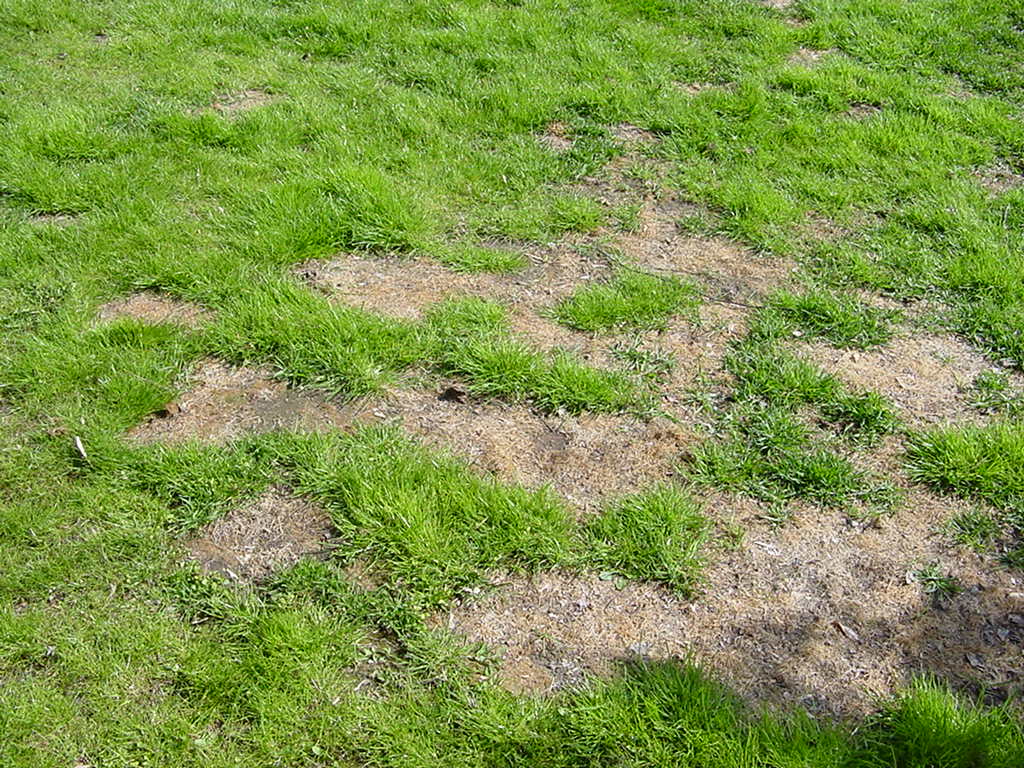
Mowing too earlycan harm the grass. The soil might still be cold and wet. This can cause the grass to tear or pull out. Wait until the grass grows to at least 3 inches tall.
Cutting grass too shortis a common mistake. Short grass weakens the roots. It also dries out faster. Keep the mower blade high to protect the lawn.
- Ignoring weather conditionscan damage the lawn.
- Wet grass clumps and can clog the mower.
- Dry grass cuts better and stays healthy.
- Wait for a dry, mild day for the first mow.
Credit: hort.extension.wisc.edu
Frequently Asked Questions
When Is The Best Time To Mow Lawn After Winter?
Mow your lawn when grass grows above 3 inches tall. This usually happens in early spring. Ensure soil is dry to avoid damage. Mowing too early can harm grass roots and reduce lawn health.
How Often Should You Mow Lawn In Early Spring?
In early spring, mow your lawn every 7 to 10 days. This allows grass to grow evenly and stay healthy. Adjust frequency based on grass growth and weather conditions for optimal lawn care.
Should You Adjust Mower Height After Winter?
Yes, raise mower blades to 3-4 inches after winter. Taller grass protects roots and prevents stress. Gradually lower the height as the season progresses for a healthier lawn.
Can Mowing Too Early Damage Lawn Roots?
Mowing too early can stress grass and damage roots. Wait until grass is actively growing and soil is dry. Early mowing can weaken grass and invite weeds, reducing lawn quality.
Conclusion
Starting your lawn care at the right time helps grass grow healthy. Wait until the ground is dry and grass begins to green. Cutting too early can harm the grass and soil. Use a sharp mower blade for a clean cut.
Keep mower height higher to protect new shoots. Regular mowing after the first cut keeps your lawn neat. Patience and care bring a lush, green yard all season. Your lawn will thank you with a fresh, strong look. Simple steps lead to great results.





