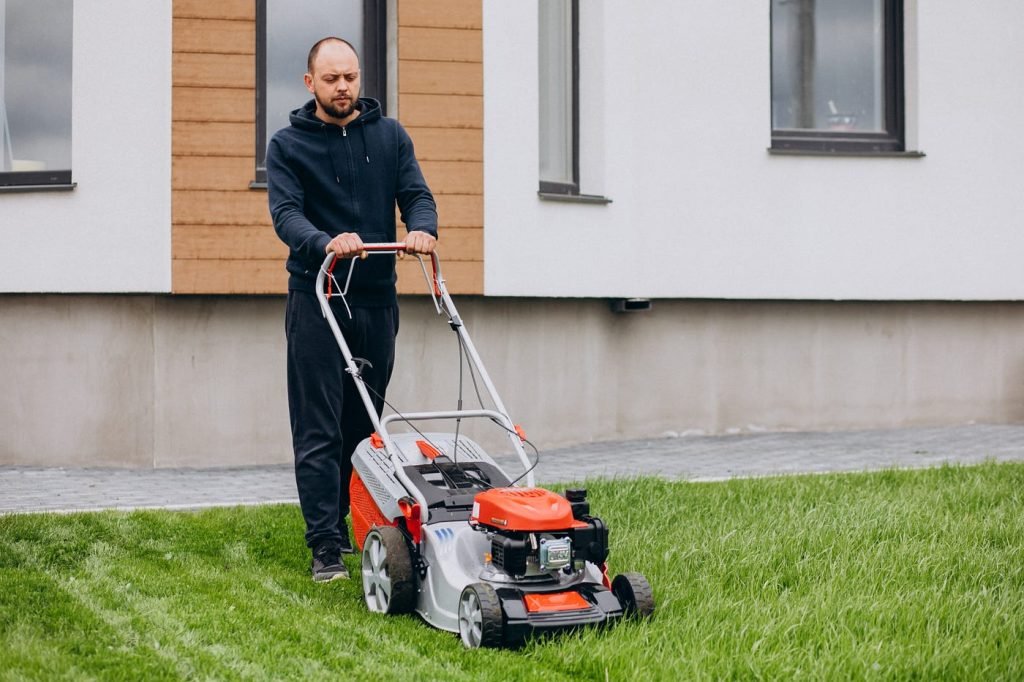
Have you ever wondered if mowing your lawn could do more than just keep your yard neat? What if this simple chore could actually help the environment and boost sustainability?
You might be surprised to learn that the way you care for your grass can make a real difference. You’ll discover how mowing your lawn the right way can support healthier soil, conserve water, and even reduce pollution. Keep reading to find out how your lawn care habits can contribute to a greener, more sustainable world.
Credit: www.discovermagazine.com
Benefits Of Eco-friendly Mowing
Eco-friendly mowinglowers the use of gas-powered tools. This helps in reducing carbon footprintby cutting down harmful emissions. Electric or manual mowers release less pollution.
Promoting soil healthhappens by leaving grass clippings on the lawn. These clippings add nutrients back into the soil. Healthy soil holds water better and supports strong plant growth.
- Supporting local biodiversitymeans creating a home for insects and small animals.
- Longer grass patches and wildflowers attract pollinators.
- This helps keep the ecosystem balanced and healthy.
Choosing Sustainable Mowing Equipment
Electric mowersproduce less pollution than gas-powered ones. They run quietly and need less maintenance. Electric models work well for small to medium lawns.
Gas-powered mowersare strong and good for big yards. But they release harmful gases and use fossil fuels. They also make more noise and need more repairs.
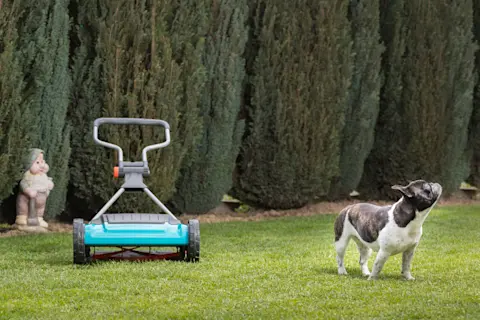
Manual reel mowersuse no fuel or electricity. They are quiet and eco-friendly. Great for small lawns and exercise lovers. They cut grass with sharp blades, not chemicals.
Solar-powered mowerscharge using sunlight. They save energy and reduce emissions. Best for sunny areas but can be costly. They offer a green way to keep lawns neat.
Mowing Techniques For Sustainability
Optimal cutting heighthelps keep grass healthy. Cutting too short harms roots and wastes water. Set mower blades to 2.5-3 inches for best growth. This height reduces weed growth and soil erosion.
Avoiding over-mowingkeeps grass strong and green. Cut no more than one-third of grass height at once. Mowing too often stresses plants and uses more fuel. Let grass grow between cuts to save energy and water.
- Grasscyclingmeans leaving grass clippings on the lawn.
- Clippings return nutrients to soil naturally.
- This reduces the need for chemical fertilizers.
- It also saves time and landfill space.

Credit: greenecodream.com
Water Conservation In Lawn Care
Mowing lawns at the right height helps grass retain moisture and reduces water use. Healthy grass grows deeper roots, making lawns more drought-resistant and sustainable. This simple step supports water conservation in everyday lawn care.
Watering your lawn in the early morning is best. This helps save water and keeps plants healthy. The sun is not too hot, so less water evaporates. Grass can soak up the water it needs. Collecting rainwater is a smart way to save. Rain barrels can be used to catch rain from roofs. This water can later be used for your lawn. It helps reduce the need for tap water. Some grass types need less water. Drought-resistant grasses are perfect for dry places. They stay green with little care. Choose these to save water and keep your lawn healthy. `Alternative Lawn Care Practices
Native plant landscapinguses local plants that need less water and care. These plants support local wildlife and help keep the soil healthy. They reduce the need for fertilizers and pesticides, which is better for the environment.
Reducing chemical usehelps protect the soil and water from harmful substances. Use natural pest control or fewer fertilizers. This keeps your lawn safe for children and pets.
Composting and mulchingrecycle yard waste. Compost adds nutrients back to the soil, making plants grow strong. Mulch keeps moisture in the soil and stops weeds from growing. Both practices save water and reduce waste.
Community And Environmental Impact
Mowing lawnplays a key role in community and environmental health. It helps keep green spaces tidy and safe for everyone. Regular mowing encourages sustainable practicesby promoting healthy grass growth and reducing weed spread. This means less need for chemicals like herbicides.
Creating wildlife habitatsis possible by mowing less often in some areas. Taller grass and patches left uncut provide shelter for insects, birds, and small animals. This supports biodiversityin neighborhoods.
- Reducing noise pollutionis another benefit. Using quieter electric mowers instead of gas ones cuts down loud sounds.
- Community spaces become more peaceful and enjoyable for all.
- Less noise means less stress for both people and wildlife.

Credit: cleanairlawncare.com
Frequently Asked Questions
Can Mowing Lawn Improve Environmental Sustainability?
Mowing lawns correctly supports sustainability by promoting healthy grass growth. It reduces pests and weeds, enhancing ecosystem balance. Proper mowing limits water use and chemical inputs, lowering environmental impact. Regular mowing also recycles nutrients, improving soil quality and encouraging biodiversity.
How Does Lawn Mowing Affect Carbon Footprint?
Lawn mowing impacts carbon footprint depending on equipment used. Gas-powered mowers emit greenhouse gases, increasing carbon output. Electric or manual mowers reduce emissions significantly. Maintaining lawn health with proper mowing decreases the need for synthetic fertilizers, further lowering carbon footprint.
What Mowing Practices Support Sustainable Lawns?
Sustainable mowing involves cutting grass at recommended heights to conserve moisture. Avoid cutting more than one-third of grass blade length at once. Use sharp blades to prevent plant stress. Leave grass clippings on lawn to recycle nutrients naturally and reduce waste.
Does Mowing Frequency Influence Lawn Sustainability?
Yes, mowing frequency affects lawn health and sustainability. Regular mowing encourages dense growth, reducing weed invasion. Over-mowing can stress grass, increasing water and nutrient needs. Adjust mowing frequency seasonally to match grass growth and environmental conditions.
Conclusion
Mowing your lawn can support a greener environment. It helps keep grass healthy and reduces waste. Grass clippings add nutrients back to the soil naturally. Regular mowing also prevents weeds from spreading fast. This simple act saves water and cuts down pollution.
Small steps like this make a big difference over time. Try to mow wisely and choose eco-friendly tools. Your lawn can be part of a sustainable lifestyle. Every effort counts toward a cleaner, healthier planet.





