Are you tired of stopping your mower every few minutes to empty the grass bag? What if you could save time and still keep your lawn looking great?
Learning how to mow grass without bagging can make your yard work faster and easier. Plus, it helps your lawn stay healthier by returning valuable nutrients right to the soil. You’ll discover simple tips and tricks to master this method.
Keep reading, and you’ll never look at mowing the same way again!
Benefits Of Not Bagging Grass Clippings
Grass clippings left on the lawn act as a natural fertilizer. They return important nutrientslike nitrogen and phosphorus back to the soil. This process helps grass grow healthier and greenerwithout extra chemical use.
Not bagging grass saves time and effort. No need to stop and empty the bag. Mowing becomes quicker and less tiring. This lets you enjoy your yard more.
Leaving clippings on the lawn also helps the environment. It reduces waste sent to landfills. Less plastic bags and trash mean lower pollution. This simple step supports a cleaner planet.
Choosing The Right Mower
A mulching moweris designed to cut grass into fine pieces that fall back into the lawn. This helps the grass stay healthy and reduces the need for bagging. Look for mowers with special bladesthat chop clippings finely. These blades have curved edges to keep grass moving inside the mower deck.
Blades come in different types:
- Standard blades:Cut grass but do not mulch well.
- Mulching blades:Have extra curves for better chopping.
- High-lift blades:Create strong airflow to lift grass for even cutting.
Adjusting the mower height is key. Set the deck high enough to avoid scalping the lawn. A good height is usually between 2.5 to 3.5 inches. This helps grass recover and lets clippings fall naturally. Avoid cutting too low, as it can stress the grass.
Preparation Before Mowing
Keep the grass length between 2.5 to 3.5 inchesfor best results. Cutting too short can stress the lawn. Longer grass helps to trap clippings and reduce bagging.
Make sure the lawn is drybefore mowing. Wet grass clumps and clogs the mower deck. Dry grass allows clippings to spread evenly across the lawn.
- Remove sticks, stones, and leaves from the lawn.
- Clear toys and garden tools to avoid accidents.
- Debris can block the mower and damage blades.
Mowing Techniques Without Bagging
Grass can be cut without collecting clippings by using a mulching mower. This technique helps return nutrients to the soil and keeps your lawn healthy. Cutting grass regularly and at the right height makes mowing without bagging easier.
Slow And Steady Approach
Mowing slowly helps grass clippings stay short. Clippings blend into the lawn better. This keeps the lawn tidy and healthy. A slow pace ensures even cutting. Grass is less likely to clump up. It’s a simple way to avoid bagging.
Overlap Patterns
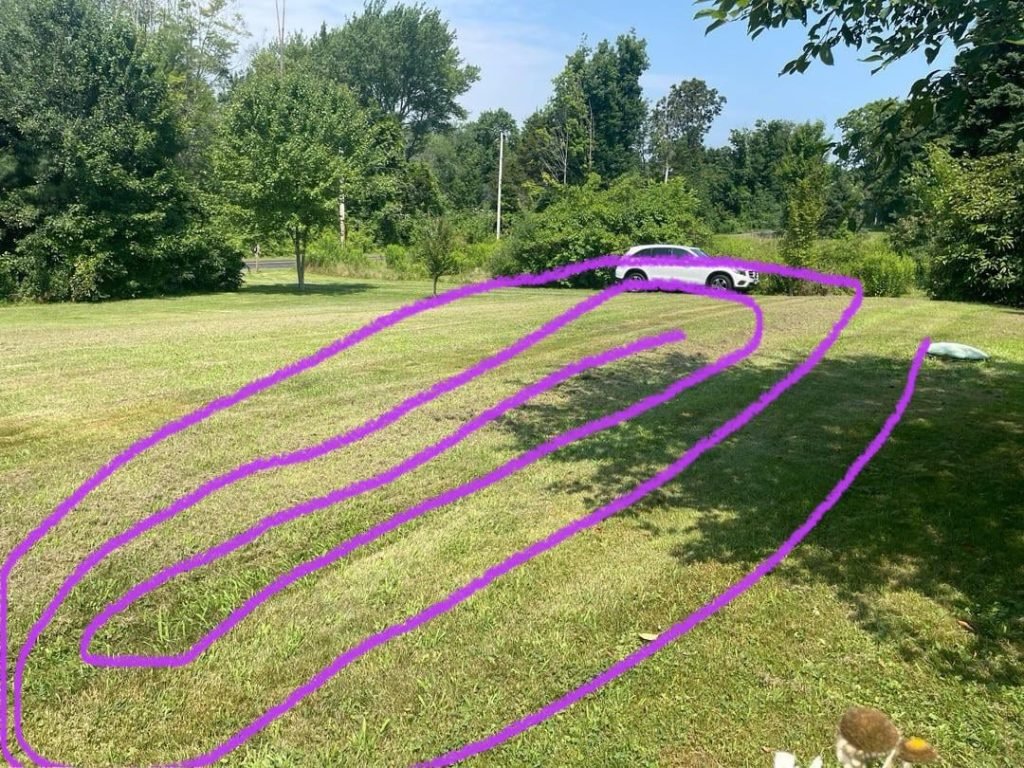
Overlap each pass slightly. This ensures no grass is missed. It also distributes clippings evenly. Overlapping helps avoid patchy spots. The lawn looks neat and clean. It’s a good trick for perfect mowing.
Multiple Passes For Thick Grass
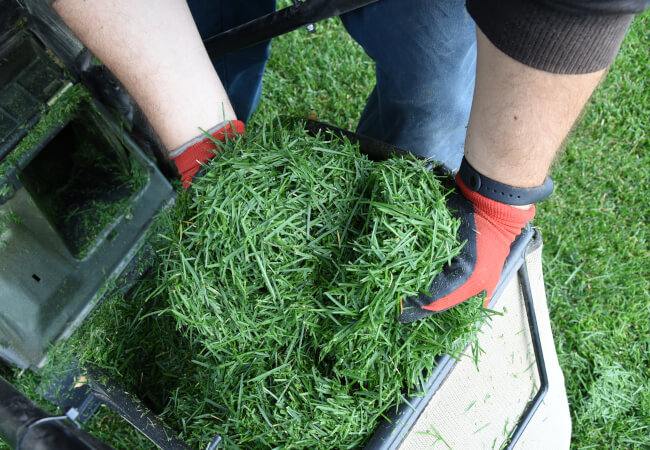
Thick grass might need two passes. The first pass cuts the top layer. The second pass catches what’s left. This method keeps clippings short. Short clippings decompose quickly. Your lawn stays healthy without bagging.
Maintaining Your Lawn After Mowing
Water your lawn early in the morningto reduce evaporation. This helps grass absorb water better. Avoid watering in the afternoon; it wastes water.
Grass needs about 1 inch of water per week. Use a rain gauge or empty can to measure. Water deeply but less often to grow strong roots.
- Use slow, deep wateringinstead of light, frequent watering.
- Stop watering if it rains enough.
Fertilize your lawn during its active growing season. Use a balanced fertilizerwith nitrogen, phosphorus, and potassium. Follow package instructions for application rates.
Over-fertilizing can harm grass and the environment. Apply fertilizer evenly to avoid patchy growth.
| Weed Control Method | Description |
|---|---|
| Hand Pulling | Best for small lawns. Remove weeds by roots. |
| Mulching | Blocks light, stopping weed growth. |
| Herbicides | Use carefully. Selective herbicides target weeds, not grass. |
Credit: blog.fantasticservices.com
Common Mistakes To Avoid
Cutting grass too shortcan harm your lawn. Grass needs some height to stay healthy. Cutting it too short makes grass weak and brown. It also lets weeds grow easier. Keep your mower blade set to the right height. This helps grass grow thick and green.
Mowing wet grasscauses clumps that block sunlight and air. Wet clumps can make the lawn look messy. It also makes your mower work harder. Wait until the grass is dry before mowing. This keeps your lawn clean and healthy.
Ignoring blade sharpnessleads to tearing grass instead of cutting. Dull blades hurt grass and slow growth. Sharp blades give a clean cut that helps grass heal fast. Check and sharpen mower blades often for best results.
Seasonal Tips For Lush Lawns
Spring Careis perfect for new grass growth. Mow when grass is dry and set mower blades high. Leave grass clippings on the lawn to add nutrients back into the soil. Water early in the morning to avoid fungus. Use a rake to remove dead leaves and debris. Fertilize the lawn lightly to boost growth.
Summer Maintenanceneeds shorter mowing intervals. Keep mower blades sharp to cut cleanly. Avoid cutting more than one-third of grass height at once. Water deeply but less often to encourage strong roots. Mulch grass clippings to keep moisture in the soil. Watch for signs of heat stress and shade if needed.
Fall Preparationhelps grass store nutrients before winter. Set mower blades lower to prevent snow mold. Continue to leave clippings on the lawn. Apply a slow-release fertilizer to support root growth. Remove fallen leaves regularly to avoid suffocating grass. Aerate the soil to improve water and air flow.

Credit: customlawn.com

Credit: www.lawnsite.com
Frequently Asked Questions
What Are The Benefits Of Mowing Without Bagging Grass?
Mowing without bagging saves time and effort by leaving grass clippings on the lawn. These clippings act as natural mulch. They retain moisture, reduce weeds, and add nutrients back to the soil, promoting healthier grass growth without extra fertilization.
How To Mow Grass Without Clogging The Mower?
To avoid clogging, mow when the grass is dry and avoid cutting more than one-third of the blade length. Use a sharp blade and mow at a steady pace. These tips ensure smooth clipping discharge and prevent buildup inside the mower.
Can Mowing Without Bagging Harm My Lawn?
No, mowing without bagging generally benefits lawns by recycling nutrients. However, avoid cutting wet or excessively long grass. Overly thick clippings can smother the lawn and cause fungal issues, so mow regularly and at proper heights for best results.
What Mower Settings Work Best For No-bag Mowing?
Set your mower blade height to a medium level, usually around 2. 5 to 3 inches. This prevents scalping and allows grass to recover. Use a mulching blade or a mower with a mulching feature to finely chop clippings for quick decomposition.
Conclusion
Mowing grass without bagging saves time and effort. It helps return nutrients to the soil naturally. Grass clippings break down quickly and keep your lawn healthy. Use sharp blades and mow regularly for best results. Keep the grass height right to avoid clumps.
Mulching mowers work well for this method. Enjoy a greener, cleaner lawn with less waste. Small changes make lawn care easier and eco-friendly. Try these tips for a simple, neat yard. Your lawn will thank you with vibrant growth.





