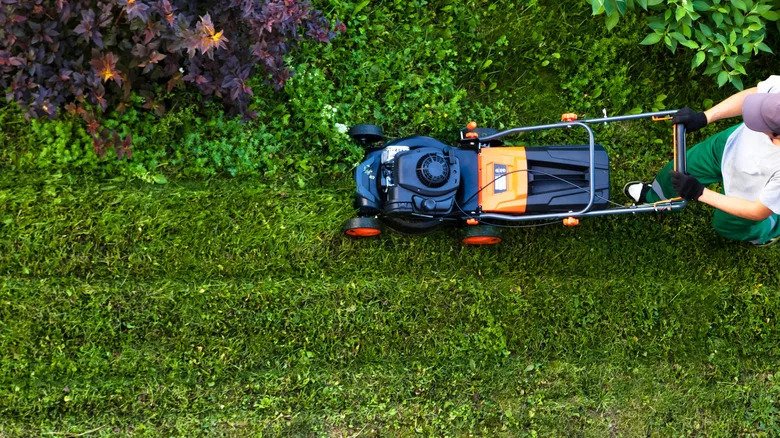
Summer is the time when your lawn needs the most care, but mowing it the wrong way can do more harm than good. Are you tired of struggling with patchy grass or a lawn that looks dull and tired?
You’re not alone. Knowing how to mow your lawn properly during the hot months can make all the difference. In this guide, you’ll discover simple, effective tips to keep your grass healthy, green, and thriving all summer long. Keep reading, and you’ll learn how to make your lawn the envy of the neighborhood with just a few easy steps.

Credit: getlawnbright.com
Summer Lawn Care Basics
Choosing the right mower depends on the size and type of your lawn. A push mowerworks best for small yards. For larger areas, a riding mowersaves time and effort. Electric mowers are quiet and eco-friendly but may need charging. Gas mowers provide strong power but can be noisy and require maintenance.
The best time to mowis early morning or late afternoon. Avoid the heat of midday to prevent grass stress. Mowing when grass is dry helps avoid clumps and protects mower blades.
- Essential toolsinclude a sharp mower blade for clean cuts.
- A rake helps collect grass clippings and leaves.
- Use a hose or sprinkler to water the lawn after mowing.
- Gloves protect your hands while working.

Credit: www.fliegsequipment.com
Mowing Techniques For Summer
Adjust the mower height to keep grass blades longer in summer. This helps the lawn stay cool and hold moisture better. Setting the mower too low can stress the grass and cause dry patches. Choose a height of about 3 inches or more for the best results. Raise the mower height if the grass grows quickly during wet periods.
- Change mowing patterns to avoid wearing out one path.
- Mow in different directions each time to keep grass upright.
- Use slow, steady movements for an even cut.
- Avoid mowing the same track repeatedly to prevent soil compaction.
Stop mowing when the grass is wet to prevent clumps and damage. Use sharp mower blades to make clean cuts. Dull blades tear the grass, causing stress and disease. Water your lawn early in the morning or late in the evening to reduce heat stress. Avoid mowing during the hottest part of the day to protect the grass.
Watering Tips For A Healthy Lawn
Watering your lawn early in the morning helps reduce water loss. Aim for about one inch of water per week. This amount keeps grass healthy without wasting water. Avoid watering in the hot afternoon to prevent burning the grass.
Signs of overwatering include yellow grass, soggy soil, and mold growth. Too much water can harm roots and invite pests. Check the soil moisture by feeling it; it should be damp but not wet.
Mulch and grass clippings help keep moisture in the soil. They also add nutrients back into the ground. Spread clippings thinly to avoid thick layers that block water and air.

Credit: southernbotanical.com
Dealing With Common Summer Lawn Issues
Dry patches make lawns look unhealthy. Water the lawn in early morning. This helps grass soak up water. Ensure proper drainage to avoid waterlogging. Use a sprinkler for even water distribution. Consider adding mulch to retain moisture. Healthy soil keeps grass green and lush.
Weeds compete for nutrients with grass. Pull out weeds by hand if possible. Use a hoe to remove stubborn weeds. Apply natural weed killers sparingly. Ensure to follow instructions carefully. Regular mowing prevents weed growth. A thick lawn naturally fights off weeds.
Pests can harm grass and soil. Check for bugs regularly. Use organic pest control options. Avoid over-watering, which attracts pests. Keep grass at a healthy length. Encourage birds to visit; they eat pests. Healthy grass resists pest damage better.
Fertilizing For Summer Growth
Choosing the right fertilizerhelps your lawn grow strong in summer. Look for fertilizers with a higher nitrogen number for green, lush grass. Balanced fertilizers work well, but summer needs more nitrogen than other nutrients. Slow-release fertilizers feed the lawn over time, reducing the chance of burning.
Application timingmatters a lot. Fertilize early in the morning or late in the afternoon to avoid heat stress. Avoid fertilizing on hot, sunny days. Water the lawn after applying fertilizer to help nutrients soak into the soil.
| Type | Pros | Cons |
|---|---|---|
| Organic | Improves soil health, slow nutrient release | Works slowly, usually more expensive |
| Synthetic | Fast results, easy to apply | Can burn lawn, may harm soil over time |
Maintaining Lawn Health Post-mowing
Aerationhelps grass breathe by making small holes in the soil. This allows water, air, and nutrientsto reach grass roots better. Aeration also reduces soil compaction, helping roots grow strong. It is best done during the growing season for quick recovery.
Testing soil helps know what nutrients it needs. Take a small soil sample from different lawn parts and send it to a lab. The test shows pH and nutrient levels. Use this info to choose the right fertilizer and lime. Testing every 2-3 years keeps the lawn healthy.
Damaged areas need quick care to avoid weeds. Remove dead grass and loosen the soil. Spread new grass seeds evenly over the spot. Cover seeds lightly with soil and water gently. Keep the area moist until grass grows thick and green.
Frequently Asked Questions
How Often Should I Mow My Lawn In Summer?
Mow your lawn every 5 to 7 days during summer. Frequent mowing prevents stress and keeps grass healthy. Adjust frequency based on growth speed and weather conditions.
What Is The Best Grass Height For Summer Mowing?
Keep grass height between 3 to 4 inches in summer. Taller grass shades roots, reduces water loss, and protects against heat stress. Avoid cutting more than one-third of grass length at once.
Should I Mow My Lawn When It’s Hot Outside?
It’s best to mow early morning or late evening when temperatures are cooler. Avoid mowing during peak heat to reduce stress on grass and prevent mower damage.
How To Maintain Sharp Mower Blades For Summer?
Sharpen mower blades before summer starts and check regularly. Sharp blades cut cleanly, reducing lawn damage and disease risk. Dull blades tear grass, causing brown tips.
Conclusion
Mowing your lawn in summer keeps it healthy and green. Cut grass at the right height to avoid stress. Water your lawn early to save moisture. Sharpen mower blades for clean cuts every time. Take breaks to stay safe in the heat.
A well-maintained lawn adds beauty to your home. Simple steps make mowing easier and better. Enjoy a fresh, neat yard all summer long.





