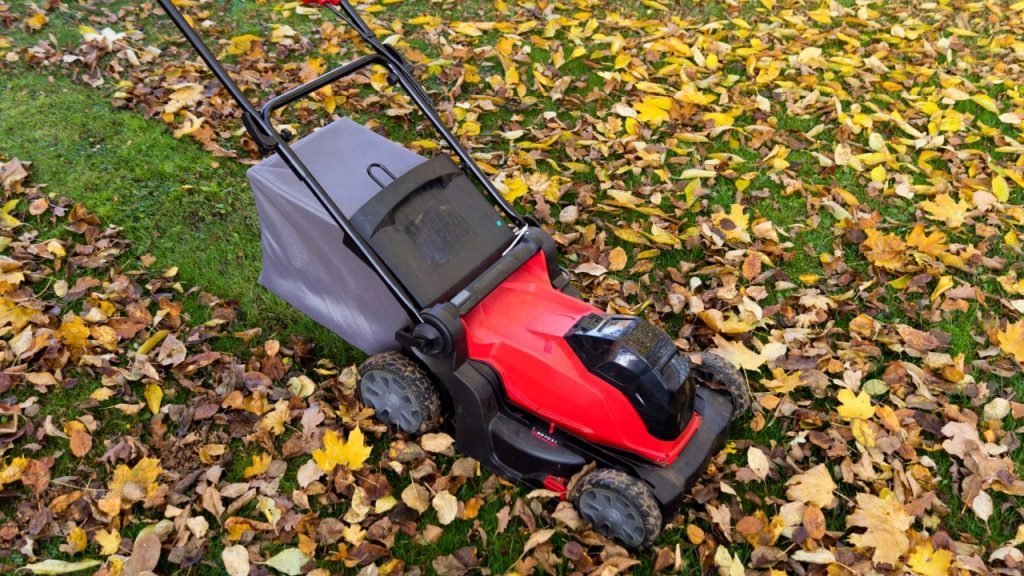
Are you wondering if it’s okay to mow your grass in late fall? You might be unsure whether cutting your lawn this late in the season helps or harms your yard.
The truth is, mowing at the right time can make a big difference in how your grass survives the winter and grows back in spring. Keep reading to find out when and how you should mow your lawn in late fall to keep your yard healthy and green all year long.
Credit: custodia.com
Benefits Of Late Fall Mowing
Mowing grass in late fallhelps keep your lawn healthy. It stops the grass from growing too tall before winter. Shorter grass uses less energy to survive the cold months. This keeps your lawn strong and ready for spring.
Cutting grass late in fall also prepares it for winter. It removes dead leaves and grass blades that can trap moisture. This prevents mold and fungus from growing. A clean lawn means fewer problems when spring comes.
- Reduces pest problems:Mowing removes hiding places for bugs and pests.
- Short grass stops pests from laying eggs.
- Less debris means fewer places for pests to live.
Ideal Mowing Height In Late Fall
Adjusting blade heightis key for healthy grass in late fall. Raise the mower blade to leave grass about 3 inches tall. This protects roots from cold and frost damage. Cutting too short can stress the grass before winter.
Avoiding scalpingprevents bare spots and weak grass. Scalping happens if the mower blade is set too low. It removes too much leaf blade and harms grass growth. Set the mower higher to keep the grass blades strong.
| Grass Type | Ideal Mowing Height in Late Fall |
|---|---|
| Cool-season grasses (fescue, bluegrass) | 2.5 to 3.5 inches |
| Warm-season grasses (Bermuda, zoysia) | 1.5 to 2.5 inches |
Different grass typesneed different heights. Cool-season grasses like fescue should be left taller. Warm-season grasses like Bermuda can be cut shorter. Adjust mowing height based on your grass type for best results.
Best Practices For Late Fall Mowing
Mowing in late fall helps keep your lawn healthy before winter. Grass growth slows down, so reduce mowing frequency. Cut the grass higher than usual to protect roots and stop stress.
Keep your mower blades sharp for clean cuts. Clean the mower to avoid rust and damage during winter storage. Check oil and fuel levels before storing the equipment.
Choose a dry day for mowing. Wet grass can cause clumps and damage the lawn. Avoid mowing during frost or when the ground is frozen. Early afternoon is best for mowing in late fall.
Common Mistakes To Avoid
Mowing grass too short in late fall can harm its roots and slow growth. Avoid cutting wet grass to prevent disease and damage. Leaving grass a bit longer helps protect it during cold months.
Cutting Grass Too Short
Grass needs a certain length to stay healthy. Cutting it too short can make it weak. Short grass can’t fight cold well. It also struggles against weeds and pests. Always keep grass a bit longer in late fall. This helps it stay strong through winter.
Mowing When Wet
Wet grass is hard to mow. It clumps and sticks to the mower. This can hurt the mower’s blades. Wet grass also gets torn, not cut. Torn grass tips can get sick easily. Wait for the grass to dry before mowing. It will look better and stay healthy.
Ignoring Lawn Health Signs
Look for signs of stress in your lawn. Brown spots or thin areas need attention. Fertilize if needed. Water your grass if it’s too dry. Healthy grass can handle fall weather better. Pay attention to these signs for a happy lawn.
Additional Tips For Healthy Lawns In Fall
Fertilizingyour lawn in late fall helps grass store nutrients for winter. Use a slow-release fertilizerto feed roots deeply. Avoid high nitrogen fertilizers to prevent new growth that can freeze. Apply fertilizer after the last mowing for best results.
Leaf removalis key to keeping grass healthy. Thick layers of leaves block sunlight and air. Rake or use a leaf blower often to clear leaves. Mulching leaves with a mower can add nutrients back to the soil.
Overseedingrepairs bare spots and thickens the lawn. Late fall is a good time for cool-season grass seeds. Prepare soil by raking lightly before seeding. Keep soil moist until seeds sprout.
Aerationhelps soil breathe and absorb water. Use a core aerator to remove small plugs of soil. Aerate before overseeding for best seed-to-soil contact. This reduces soil compaction and helps roots grow stronger.

Credit: au.mowrator.com
:max_bytes(150000):strip_icc()/GettyImages-181064542-a1fd2748fd164e568679b540cc730bba.jpg)
Credit: www.southernliving.com
Frequently Asked Questions
Is It Necessary To Mow Grass In Late Fall?
Mowing in late fall helps keep grass healthy and prevents disease. It removes dead blades and reduces thatch buildup. However, avoid cutting grass too short as it can stress the lawn before winter.
How Often Should I Mow Grass In Late Fall?
Mow your lawn every 1-2 weeks in late fall. Grass growth slows down but still requires maintenance. Adjust frequency based on weather and growth rate to avoid damaging the grass.
Can Mowing Grass Late Fall Harm My Lawn?
Mowing late fall is safe if done properly. Avoid cutting grass too short or when it is wet. Proper mowing promotes healthy roots and prepares grass for winter dormancy.
What Grass Height Is Ideal For Late Fall Mowing?
Keep grass height around 2 to 2. 5 inches in late fall. This length protects the lawn from frost and reduces weed growth. Avoid cutting below 2 inches to maintain lawn health.
Conclusion
Mowing grass in late fall can help keep your lawn healthy. Cut the grass one last time before winter arrives. Avoid cutting too short to protect roots and soil. Leaves and grass clippings add natural nutrients when left on the lawn.
Taking care of your grass now helps it grow strong in spring. Remember, a healthy lawn needs proper care all year. Simple steps in fall lead to a greener yard later. Keep your lawn ready for cold weather with smart mowing.





