Are you tired of spending hours mowing your lawn, only to see it struggling to stay green and healthy? The secret to a vibrant, lush lawn might be simpler than you think.
It all comes down to the height at which you mow your grass. Choosing the right lawn mowing height not only saves you time and effort but also helps your lawn thrive naturally. You’ll discover how adjusting your mowing habits can make a big difference for your lawn’s health and the environment.
Keep reading to learn the easy steps you can take today to achieve a sustainable, beautiful lawn you’ll be proud of.
Ideal Mowing Heights
Different grass typesneed different mowing heights to stay healthy. For example, cool-season grasseslike Kentucky bluegrass do best at 2.5 to 3.5 inches. Warm-season grasses like Bermuda grass prefer 1 to 2 inches. Cutting grass too short can stress it and cause brown spots.
Adjusting the mowing height by seasonhelps lawn growth. In summer, keep grass a bit higher to protect roots from heat. During spring and fall, mowing lower helps grass grow strong and thick. Grass cut too short in hot months loses moisture fast.
Climateaffects ideal mowing height too. In dry or hot areas, taller grass holds moisture better. Wet and cool climates allow shorter mowing without drying out the soil. Setting the mower right can save water and keep grass greener longer.

Credit: www.e-landscapellc.com
Benefits Of Proper Mowing
Proper mowing heightkeeps grass strong and healthy. Cutting grass too short can hurt roots. Grass with longer blades can soak up more sunlight. This helps the lawn grow thick and green. A thick lawn blocks sunlight from weeds, stopping their growth.
Maintaining the right height also helps control pests. Taller grass hides fewer places for bugs to live. This reduces the number of pests that can damage your lawn.
Grass cut at the right height saves water. Longer grass blades shade the soil. This lowers water evaporation. The soil stays moist longer, so the lawn needs less watering.
Tools For Sustainable Mowing
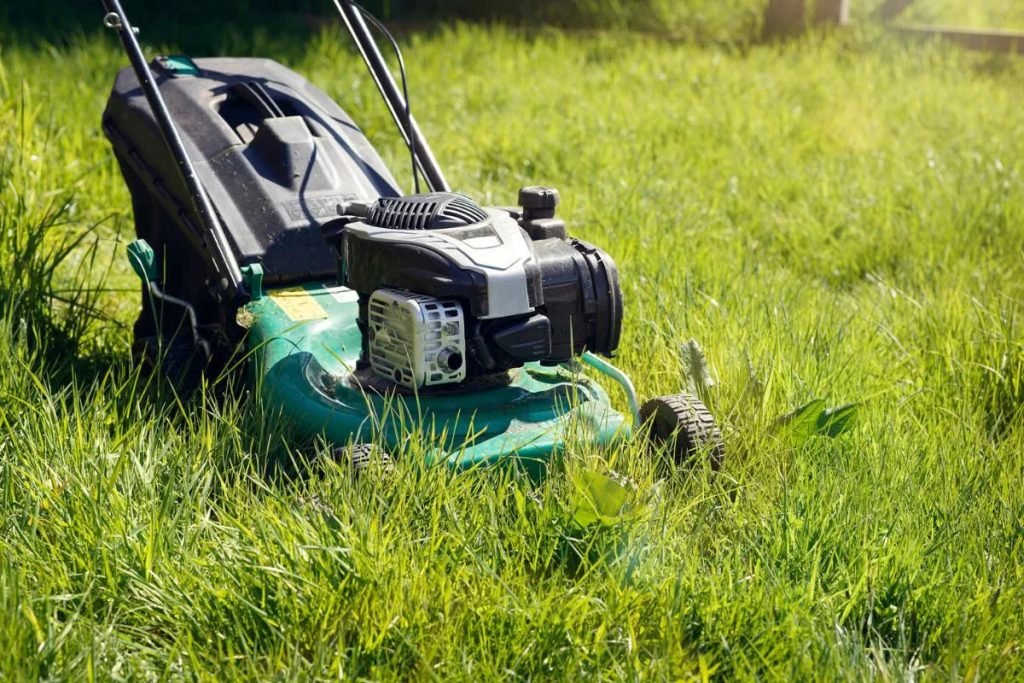
Choosing the right mower is key for sustainable lawn care. Electric mowers reduce noise and pollution. Push mowers use no fuel and work well for small yards. Gas mowers should be energy efficient to limit emissions.
Blade maintenance keeps the mower cutting clean and healthy. Sharp blades cut grass evenly, helping it grow strong. Dull blades tear grass and cause damage. Regular sharpening and cleaning improve mower performance.
Eco-friendly equipment helps protect the environment. Look for mowers with low emissions or battery power. Solar-powered chargers keep batteries ready without extra energy use. Using eco-friendly tools supports a greener lawn and planet.
Mowing Techniques
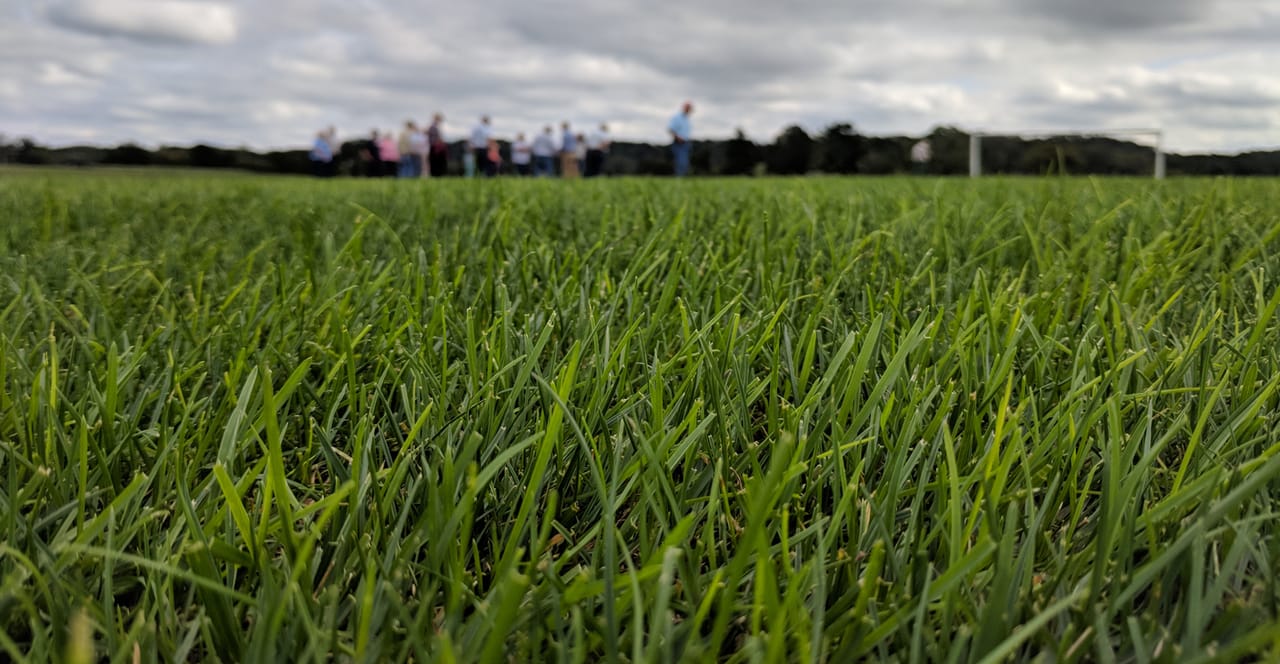
Maintaining a higher mowing height helps grass stay healthy and strong. It reduces water loss and supports soil health for a greener lawn. Cutting too short can stress grass and harm the environment.
Frequency And Timing
Regular mowing keeps grass healthy. Mow when the grass is dry. Wet grass can cause clumps. Adjust mowing schedule with seasons. In summer, mow more often. In cooler months, mow less. Keep mower blades sharp for clean cuts.
Grass Clippings Management
Grass clippings can be helpful. Leave them on the lawn for nutrients. They act like natural fertilizer. Clippings decompose fast and feed the soil. Remove large clumps to prevent rot. Do not bag clippings unless necessary.
Avoiding Soil Compaction
Heavy mowers can compact soil. Compacted soil harms grass roots. Use lighter mowers for small lawns. Change mowing patterns each time. This spreads weight evenly. Avoid mowing when soil is wet. Wet soil compacts more easily.
Troubleshooting Common Issues
Scalpinghappens when grass is cut too short. It can cause brown spots and weak grass. Raise the mower blade to keep grass healthy. Avoid cutting more than one-third of the blade at once. This helps the grass stay strong and green.
Thatch build-upis a layer of dead grass and roots on top of the soil. It stops water and nutrients from reaching roots. Use a dethatching rake or machine to remove this layer. Aerate the soil to help water get in better.
Drought stressmakes grass dry and brown. Water the lawn deeply but not too often. Early morning is the best time to water. Keep the mowing height higher during dry times. Taller grass holds moisture better and stays cooler.

Credit: bridgemi.com
Sustainable Lawn Care Practices
Organic fertilizationuses natural materials like compost and manure. These help soil stay healthy and full of nutrients. It avoids chemicals that can harm plants and water. Organic fertilizers release nutrients slowly, feeding grass over time. This method supports earthworms and beneficial microbes.
Watering strategiesfocus on using water wisely. Water lawns early in the morning or late evening to reduce evaporation. Deep watering helps roots grow strong and reach deeper soil layers. Avoid watering too often; grass needs time to dry to prevent disease. Rainwater collection can save water and reduce bills.
Integrating native plantsadds beauty and helps the environment. Native plants need less water and care because they suit the local climate. They attract helpful insects and birds, improving garden health. Mixing native plants with grass reduces lawn size and water use.
Credit: www.farmprogress.com
Frequently Asked Questions
What Is The Best Sustainable Lawn Mowing Height?
The best sustainable lawn mowing height is usually 2. 5 to 3. 5 inches. This height promotes healthy grass growth and conserves water. It also reduces weed growth and soil erosion, making your lawn eco-friendly and low maintenance.
How Does Mowing Height Affect Lawn Sustainability?
Mowing at the right height helps grass roots grow deeper. This improves drought resistance and nutrient absorption. It also minimizes soil compaction and reduces the need for fertilizers, promoting a sustainable and healthy lawn ecosystem.
Can Mowing Too Short Harm My Lawn’s Sustainability?
Yes, mowing too short stresses the grass by exposing soil and roots. It leads to weaker grass, more weeds, and increased water needs. Maintaining proper height helps keep the lawn resilient and sustainable over time.
How Often Should I Mow For Sustainable Lawn Care?
Mow your lawn once a week during the growing season. Regular mowing at the right height encourages healthy grass and prevents overgrowth. Avoid cutting more than one-third of the grass blade at a time.
Conclusion
Choosing the right lawn mowing height helps grass grow strong and healthy. Cutting grass too short can hurt roots and dry out soil. Taller grass keeps moisture in and blocks weeds better. It also helps your lawn resist heat and pests.
Set your mower to the best height for your grass type. This small step saves water and keeps your lawn green longer. Healthy lawns make your yard look nice and support the environment too. Keep mowing smart for a lawn that lasts through the seasons.





