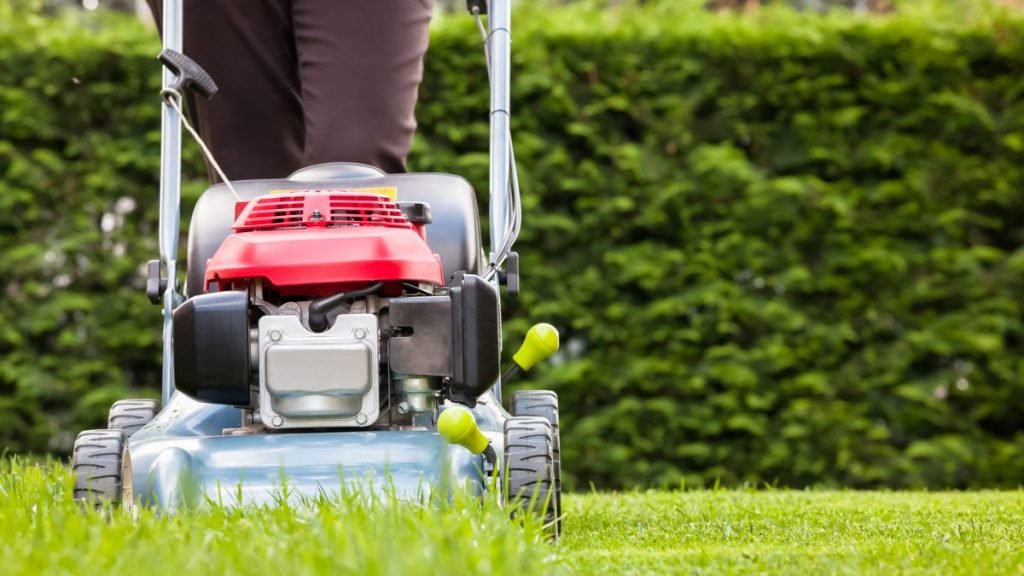
Summer heat puts your lawn under serious stress. One of the most effective ways to protect it is by raising your mower deck. The best mowing height in summer keeps grass cool, conserves soil moisture, and builds deep roots that tolerate drought.
Cutting grass too short—often called scalping—exposes the soil to direct sun, speeds up evaporation, and invites weeds and disease. Leave it too long and you risk thatch buildup and pest problems. This guide gives you exact height recommendations by grass type, explains when and how often to mow, and covers common mistakes that ruin a summer lawn. For more on this, see our guide on why mower battery drains in summer.
Why Mowing Height Matters in Summer
Grass blades are the plant's solar panels. In summer, longer blades shade the soil, reduce water loss, and keep root zones cooler by several degrees. Taller grass also produces more energy through photosynthesis, which fuels root growth deeper into the ground where moisture is more stable.
When you cut too short, the plant must divert energy from root development to regrow leaves. This weakens the turf and makes it vulnerable to heat stress, pests, and fungal diseases. Research from university turfgrass programs consistently shows that raising mowing height during hot weather is one of the simplest, most effective cultural practices for summer lawn health. For more on this, see our guide on can mower blades be sharpened with sandpaper.
Ideal Mowing Heights by Grass Type
Different grass species have different growth habits and heat tolerances. Use this table to set your mower deck correctly for your lawn type.
| Grass Type | Ideal Summer Height (inches) | Notes |
|---|---|---|
| Kentucky Bluegrass | 2.5 – 3.5 | Raise toward the higher end during heat waves |
| Tall Fescue | 3 – 4 | Excellent heat tolerance at 3.5–4 inches |
| Fine Fescue | 2.5 – 3.5 | Keep on the taller side for shade tolerance |
| Perennial Ryegrass | 2.5 – 3 | Avoid cutting below 2.5 inches in summer |
| Bermuda Grass | 1 – 2 | Warm-season grass; stays healthy at lower heights |
| Zoysia Grass | 1.5 – 2.5 | Thrives at 2 inches during peak heat |
| St. Augustine Grass | 2.5 – 4 | Southern lawns; never cut below 2.5 inches |
| Centipede Grass | 1.5 – 2 | Low-maintenance; avoid scalping |
Cool-season grasses (bluegrass, fescue, ryegrass) benefit from a taller cut in summer because they naturally slow growth when temperatures rise above 80°F. Warm-season grasses (Bermuda, Zoysia, St. Augustine) handle lower heights but still perform better when left slightly longer during the hottest weeks.
How Summer Heat Affects Your Lawn
High temperatures trigger several stress responses in grass. Understanding these helps you adjust your mowing strategy.
Heat stress causes grass to stop growing or grow very slowly. Leaf blades may curl, wilt, or turn a dull gray-green. Prolonged heat can push the plant into dormancy, where it turns brown to conserve energy.
Water evaporation speeds up dramatically in summer. Unshaded soil can lose up to half an inch of moisture per day during a heat wave. Taller grass reduces this by creating a microclimate at the soil surface—humidity stays higher, temperatures drop, and water lingers longer.
Weed pressure increases when the lawn is cut too short. Crabgrass, goosegrass, and other summer annuals thrive in thin, stressed turf. A dense, taller canopy blocks sunlight from reaching weed seeds, preventing germination.
Adjusting Mower Height for Summer
Raise your mower deck gradually as temperatures climb. If you mowed at 2.5 inches in spring, move up to 3 inches by early June and 3.5–4 inches during July and August. This gradual transition gives the grass time to adapt.
The One-Third Rule
Never remove more than one-third of the grass blade length in a single mowing. Cutting more than that shocks the plant, reduces leaf area for photosynthesis, and leaves bare stubble that browns quickly.
Wait until the grass reaches about 4.5–5 inches before mowing down to 3 inches. If you let it get too tall and then scalp it, the lawn will look ragged for weeks.
Avoid Scalping
Scalping occurs when the mower cuts into the crown or stems of the grass, leaving brown stubble. It often happens when you lower the deck too much after a rainy period or try to correct an overgrown lawn in one pass. Scalped lawns are more prone to heat damage, disease, and weed invasion.
If your lawn is overgrown, raise the deck to a moderate height, cut, wait three to four days, then lower it gradually over several mowings.
Best Time of Day to Mow in Summer
Mow during early morning (after dew dries) or late afternoon when temperatures are lower. Avoid midday mowing—the sun is intense, freshly cut grass loses moisture rapidly, and the heat stresses both the turf and the mower operator.
Mowing wet grass is a common mistake. Dew or rain makes grass clump together, clog the mower deck, and create an uneven cut. Wet clippings also mat on the lawn surface, blocking sunlight and promoting fungal growth. Wait until the grass is fully dry before you start.
How Often to Mow in Summer
Frequency depends on growth rate, which varies with temperature, rainfall, and fertilizer. During active growth in early summer, mowing every five to seven days is typical. As heat intensifies and growth slows, you may stretch to every seven to ten days.
The key is to mow often enough that you never need to remove more than one-third of the blade. If you wait too long and the grass is six inches tall, you cannot cut it back to three inches without breaking the rule. In that case, mow at four inches first, then mow again three days later at the target height.
Additional Summer Lawn Care Tips
Watering Deeply and Infrequently
Water early in the morning—between 4 a.m. and 8 a.m.—to reduce evaporation and give grass time to dry before nightfall. Apply about one inch of water per week, including rainfall, in one or two deep soakings. Shallow, frequent watering encourages shallow roots that cannot handle drought.
Sharp Mower Blades
Dull blades tear grass instead of cutting it cleanly. Torn ends turn brown and increase water loss. Sharp blades make a clean cut that heals quickly. Check your blades every four to six mowings during the growing season. If you notice ragged tips or a whitish discoloration on leaf edges, it is time to sharpen. For guidance, see our advice on checking blade condition before each mowing session.
Keep the Mower Deck Clean
Grass buildup under the deck reduces airflow and cutting efficiency. A clogged deck can leave uncut strips and strain the engine. Clean the underside regularly, especially in humid conditions when wet clippings stick. Learn the proper technique for pressure washing the deck without damaging components.
Fertilize Lightly
Summer is not the time for heavy nitrogen applications. Use a slow-release or organic fertilizer at half the spring rate, or skip fertilizing entirely during the hottest weeks. Too much nitrogen pushes rapid leaf growth that requires more water and more frequent mowing.
Manage Weeds Promptly
Remove broadleaf weeds as soon as you spot them. Hand-pull or spot-treat with an appropriate herbicide. A dense, healthy lawn at the correct mowing height is the best weed prevention. Weeds struggle to establish when grass shades the soil and competes for moisture.
Common Mowing Mistakes to Avoid
- Cutting too short – Leaves soil exposed, increases evaporation, stresses roots.
- Mowing wet grass – Causes clumping, uneven cut, and disease spread.
- Ignoring blade sharpness – Torn grass turns brown and loses more water.
- Cutting more than one-third – Shocks the plant and reduces energy production.
- Mowing at the same height year-round – Summer requires a taller setting than spring or fall.
- Bagging clippings unnecessarily – Leave them on the lawn to return nutrients and moisture. Only bag if grass is overgrown or diseased.
If your mower isn't performing properly—stalling, running rough, or struggling to cut evenly—diagnose the issue before it damages the lawn. Check the engine stalling causes to keep your equipment running reliably through summer.
Frequently Asked Questions
What is the best mowing height in summer for most lawns?
For cool-season grasses, 3 to 4 inches is ideal. For warm-season grasses, 1.5 to 2.5 inches works well. Adjust within that range based on your specific grass type and weather conditions.
Should I mow higher during a drought?
Yes. Raise the deck by half an inch to one inch above your normal summer height. Taller grass shades the soil and reduces water loss. Avoid mowing at all during extreme drought if the grass is already dormant and brown.
How do I know if my mower is set to the right height?
Measure from the cutting edge of the blade to a flat surface under the mower. For a rotary mower, check with the wheels on a hard, level area. Adjust until the measurement matches your target height.
Can I mow every day in summer?
No. Daily mowing stresses the grass and removes too much leaf surface. Stick to a weekly schedule and adjust based on growth rate. If growth is very fast, increase frequency slightly, but never cut more than one-third of the blade.
Is it better to leave grass clippings on the lawn in summer?
Yes. Clippings decompose quickly and return nitrogen and moisture to the soil. They also help shade the ground. Only remove clippings if the grass is wet, overgrown, or showing signs of disease.
What happens if I mow Bermuda grass too short in summer?
Scalping Bermuda grass exposes the stolons (runners) to sun and heat, causing them to dry out and die. The lawn will thin, weeds will invade, and recovery takes weeks. Keep Bermuda at 1 to 2 inches minimum.
Conclusion
Getting the mowing height right in summer is the single most impactful thing you can do for lawn health. Taller grass shades the soil, conserves moisture, builds deeper roots, and blocks weeds. It reduces your watering needs and keeps the lawn green through heat waves.
Set your mower deck to the recommended height for your grass type, follow the one-third rule, mow at the right time of day, and keep your blades sharp. Avoid scalping and wet mowing. Pair these practices with deep, infrequent watering and a light hand with fertilizer, and your lawn will thrive all summer long.
A little attention to mowing height delivers outsized results. Your grass will stay lush, resilient, and easier to maintain—even when the temperatures climb.





