Getting your lawn ready for fall mowing is more important than you might think. As the seasons change, your grass needs special care to stay healthy and green.
If you want your yard to look its best all autumn—and even into next spring—you need to know the right steps to take now. You’ll discover simple, effective tips to prepare your lawn for fall mowing. Follow these easy steps, and you’ll enjoy a lush, vibrant lawn that stands out in your neighborhood.
Ready to give your lawn the care it deserves? Let’s dive in!
Credit: www.familyhandyman.com
Timing Your Fall Mowing
The best time of day to mowyour lawn in fall is in the late morning or early afternoon. The grass is dry, which helps with a clean cut. Morning dew can make the grass wet and clog your mower. Avoid mowing during the evening when moisture builds up. This timing helps reduce lawn stress and disease risk.
Frequency of mowing in fall depends on grass growth. Usually, mowing once a weekis enough. If the grass grows slower, reduce mowing to every 10 to 14 days. Cutting too short can harm the grass. Keep the mower blade high to protect roots and keep the lawn healthy.
Adjusting Mower Settings
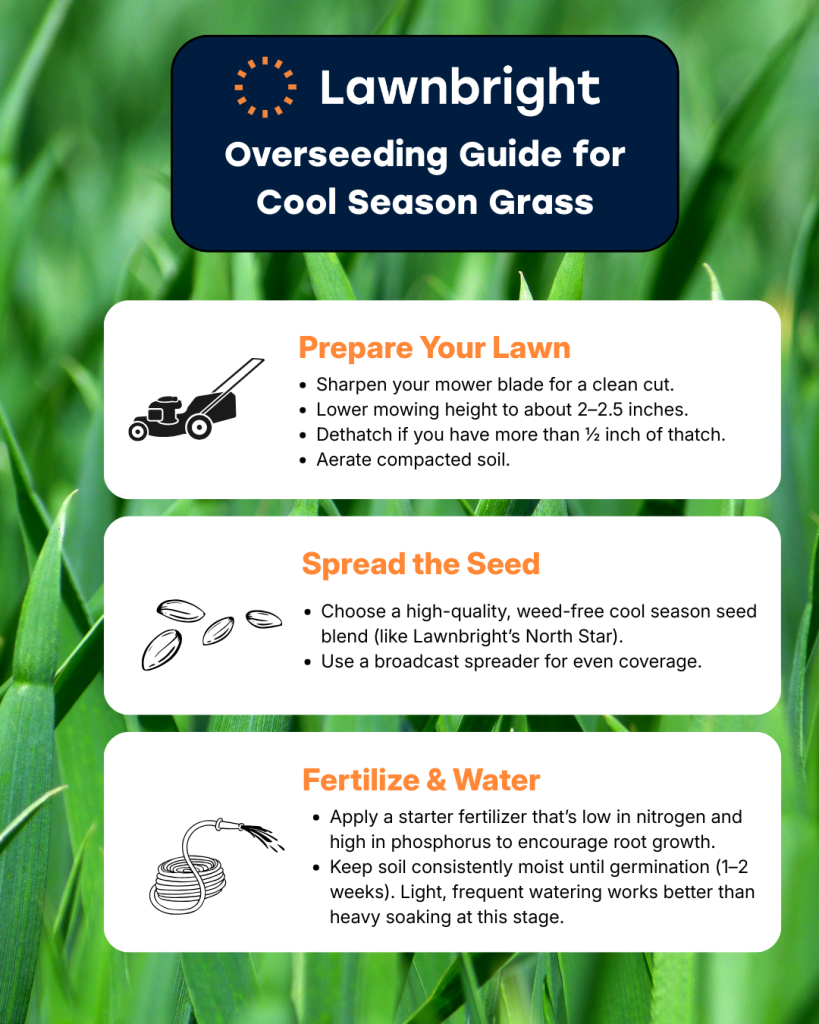
Set the mower blade height to around 2.5 to 3 inchesfor fall. This height helps grass stay healthy by protecting roots from cold.
Cutting too short can stress the grass, making it weak. Taller grass blades catch sunlight better, helping the lawn grow strong before winter.
Keep mower blades sharp and clean. Dull blades tear grass, causing brown tips and disease.
- Check blades before each mow.
- Sharpen blades if they look dull or nicked.
- Clean blades to remove dirt and grass clippings.
Lawn Care Before Mowing
Remove sticks, stones, and leaves from the lawn. This clears the surface and stops mower damage. Leaves can block sunlight and cause patches if left on grass too long. Use a rake or leaf blower for easy cleaning.
Keep the grass moist before mowing but avoid soaking. Water deeply once or twice a week. Wet soil helps grass roots grow strong before cold weather. Do not water on mowing day to prevent clumping and uneven cuts.

Credit: www.calloways.com
Mowing Techniques For Fall
Prepare your lawn by raising the mower blade to a higher setting for fall. Keep grass slightly longer to protect roots and help soil retain moisture. Remove leaves and debris before mowing to ensure a clean cut and healthy grass.
Proper Mowing Patterns
Using proper mowing patterns helps keep the lawn healthy. Alternate the mowing direction each time. This prevents grass from leaning one way. It also reduces soil compaction. Make sure to overlap each pass slightly. This ensures no patches are missed. Keep the blade sharp. A dull blade tears grass, making it weak.
Avoiding Lawn Stress
Mowing too short stresses the lawn. Keep grass a bit longer in fall. This protects roots from cold. Never mow when grass is wet. Wet grass clumps and can harm the mower. Always remove debris like sticks before mowing. These can damage the mower blade. Let grass heal before mowing again. Give it a few days to recover.
Post-mowing Lawn Care
Fertilizing your lawn in fall helps grass grow strong roots. Use a fertilizer with more phosphorus and potassium. These nutrients support root growth and prepare the lawn for winter. Apply fertilizer after mowing, so it reaches the soil better. Water the lawn lightly to help nutrients soak in. Avoid fertilizing too late to prevent new growth that can freeze.
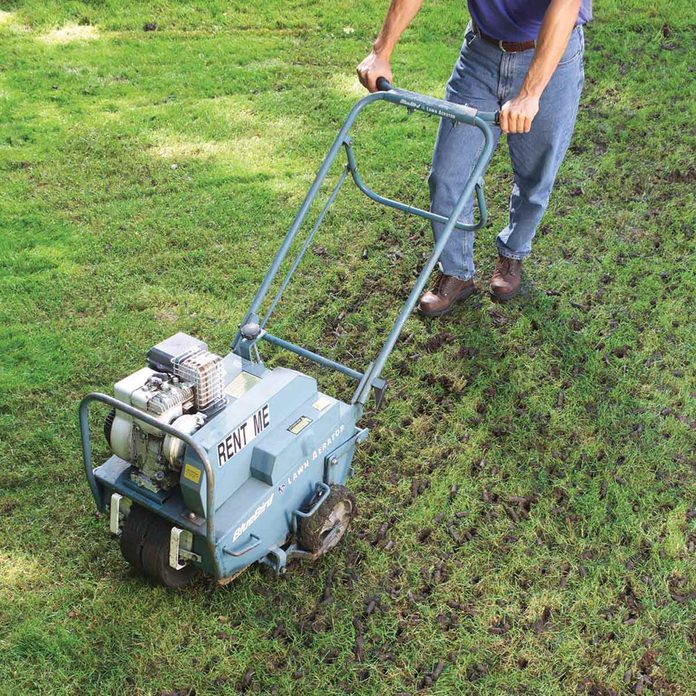
Aeration improves soil by making small holes. This helps air, water, and nutrients reach grass roots. Use a core aerator for best results. After aeration, overseed thin or bare spots with grass seed. This helps lawn fill in and stay thick. Choose seed that matches your lawn type. Water the lawn gently after overseeding to keep seeds moist.

Credit: www.lawnscapespecialists.com
Preventing Common Fall Lawn Issues
Thatch build-upcan block water and nutrients from reaching grass roots. Removing thatch helps your lawn breathe and grow well. Use a rake or dethatcher to clear thick layers. Do this before mowing in fall to keep the grass healthy. Regular thatch control prevents dead spots and fungus growth.
Fall pests and diseasescan hurt your lawn’s health. Watch for insects like grubs that eat roots. Treat the lawn with safe pest control products if needed. Keep grass trimmed and clear debris to stop diseases. Good lawn care helps fight pests naturally and keeps your grass strong.
Frequently Asked Questions
How Often Should I Mow My Lawn In Fall?
Mow your lawn every 1 to 2 weeks during fall. This keeps grass healthy and prevents overgrowth. Adjust frequency based on grass growth speed and weather conditions.
What Is The Ideal Grass Height For Fall Mowing?
Maintain grass height between 2. 5 to 3 inches in fall. This height protects roots and reduces weed growth. Avoid cutting too short to prevent lawn stress.
Should I Change Mower Blade Settings For Fall?
Yes, set mower blades higher in fall. A higher blade reduces scalp damage and promotes root growth. Ensure blades are sharp for clean cuts and healthy grass.
How Can I Prepare My Lawn Before Fall Mowing?
Clear leaves, debris, and thatch before mowing. This prevents clogging and promotes even cutting. Rake the lawn to improve air circulation and nutrient absorption.
Conclusion
Preparing your lawn for fall mowing helps keep grass healthy and strong. Cut grass at the right height to protect roots. Clear leaves and debris to avoid mold and pests. Water your lawn well but avoid overwatering. Regular mowing encourages thick, green grass through colder months.
These simple steps make your lawn ready for winter rest. A healthy lawn now means a beautiful yard in spring. Keep your lawn care routine easy and steady for best results.





