Are you tired of seeing your lawn turn brown and patchy every summer? You’re not alone.
Finding the best mowing schedule for summer can make a huge difference in keeping your grass healthy, green, and lush. But how often should you mow? And what time of day works best? You’ll discover simple, proven tips that will help your lawn thrive all season long.
Keep reading to unlock the secrets to a perfect summer lawn you’ll be proud of.
Ideal Mowing Frequency
The best mowing frequencydepends on several key factors. Grass type plays a big role. For example, cool-season grasseslike fescue may need mowing every 5-7 days. Warm-season grasses like Bermuda often need mowing every 7-10 days.
Weather conditionsalso affect how often you mow. Hot, dry weather slows grass growth, so mow less. Wet, warm weather speeds growth, so mow more often.
Other factors include soil health and lawn use. Lawns with heavy foot traffic may need more frequent mowing to stay neat.
| Factor | Effect on Mowing Frequency | Example |
|---|---|---|
| Grass Type | Determines growth speed | Cool-season: every 5-7 days |
| Weather | Changes grass growth rate | Dry: mow less, Wet: mow more |
| Soil & Usage | Affects grass health and wear | High traffic: more frequent mowing |

Credit: southernbotanical.com
Optimal Mowing Height
Maintaining the correct mowing heighthelps grass stay healthy and green. Different grass types need different heights to grow well. Cutting too short can hurt the grass roots and dry out the lawn. Too tall, and the lawn may look untidy and trap moisture, causing disease.
| Grass Type | Recommended Mowing Height (inches) |
|---|---|
| Bermuda Grass | 1 to 2 |
| Kentucky Bluegrass | 2.5 to 3.5 |
| Fescue | 3 to 4 |
| St. Augustine | 2.5 to 4 |
Proper mowing heightkeeps grass strong and prevents weeds. It helps grass hold water better during hot days. Cutting at the right height also reduces stress on the lawn.
- Cutting too short can cause brown patches.
- Cutting too high may make the lawn look messy.
- Avoid cutting more than one-third of the grass blade at once.
- Change mowing height with seasons for best results.
Best Time Of Day To Mow
Morning mowingis often best. Grass blades are cooler and less stressed.
Evening mowing can leave grass wet overnight. This may cause fungus and disease.
Cutting grass when it is cool helps avoid heat stress.
Grass recovers faster in cooler temperatures. It stays green and healthy.
Grass healthimproves when cut during the right time of day.
Water evaporates slower in the morning, keeping grass hydrated longer.
Try to mow before the sun gets too hot.
This keeps grass strong and reduces damage.
Credit: ryanlawn.com
Equipment Tips For Summer
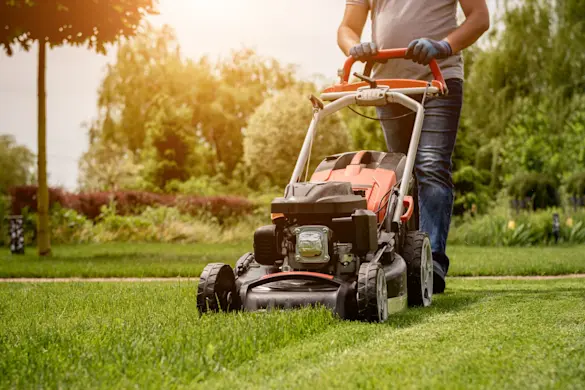
Mowing every few days keeps grass healthy and cool during hot summer months. Early morning or late evening mowing helps avoid heat stress on plants. Adjust the height of your mower blades to protect grass from drying out.
Blade Maintenance
Keep blades sharp for a clean cut. Dull blades tear grass. This can hurt your lawn. Check blades after every use. Replace or sharpen them if needed. Clean them with a cloth to remove dirt. This prevents rust and keeps blades strong. Store blades in a dry place.
Adjusting Mower Settings
Set the mower deck to a higher level. This helps grass stay healthy. Taller grass shades the soil. This keeps it cool and moist. Adjust the speed for smooth mowing. Check the wheels for even cuts. Uneven wheels can scalp your lawn.
Safety Precautions
- Wear gloves and goggles for protection.
- Check the lawn for debris before mowing.
- Never mow when grass is wet.
- Keep children and pets away while mowing.
- Turn off the mower before adjusting settings.
Watering And Fertilizing Tips
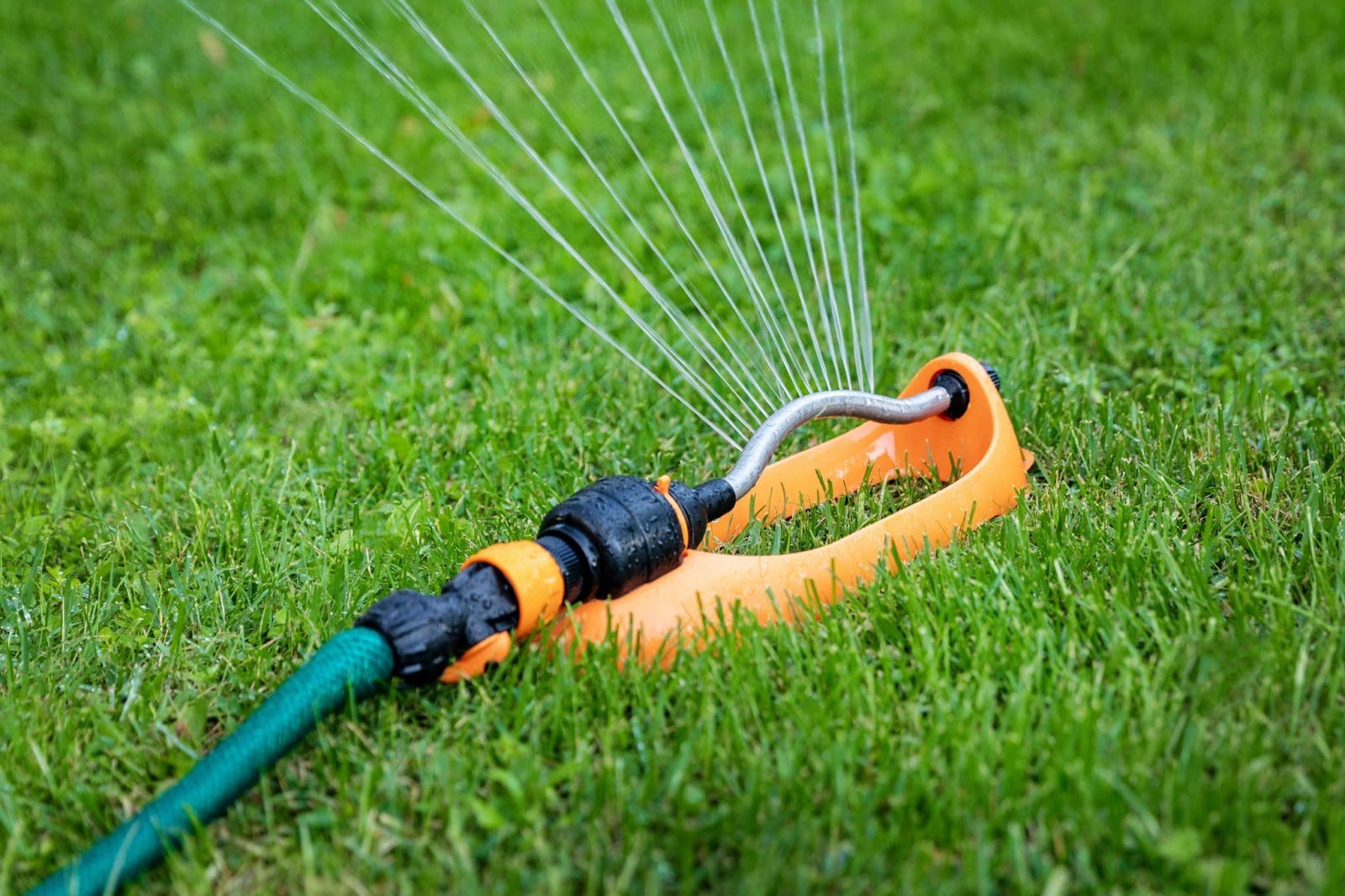
Watering your lawn early in the morning helps reduce evaporation. This timing fits well with mowing schedules. It allows grass to dry before heat rises. Avoid watering late in the evening to prevent diseases.
Balancing water needs is key. Lawns usually need about 1 inch of water per week. Adjust based on rain and temperature. Overwatering can harm roots and cause fungus.
- Fertilize after mowing to help nutrients reach the soil.
- Use slow-release fertilizers to feed grass slowly.
- Apply fertilizer in the early morning or late afternoon to avoid burning.
- Follow package instructions for best results.
Common Summer Lawn Problems
Heat stresscan make grass weak and dry. Water the lawn early in the morning to keep it cool. Avoid mowing during the hottest part of the day to prevent damage. Raise the mower blade to leave grass taller, which helps shade the roots and keep soil moist.
Pests and diseasesoften attack lawns in summer. Watch for signs like brown patches or chewed blades. Use natural pest control methods or safe treatments to protect your grass. Keep grass healthy by watering and fertilizing properly.
- Water deeply but less often to encourage strong roots.
- Keep mower blades sharp to avoid tearing grass.
- Avoid cutting more than one-third of the grass height at once.
- Remove weeds to reduce competition for water and nutrients.
Following these tips helps prevent lawn damage and keeps grass green and strong through summer.
Credit: www.searspartsdirect.com
Frequently Asked Questions
How Often Should I Mow My Lawn In Summer?
Mow your lawn every 5 to 7 days during summer. This frequency prevents grass stress and promotes healthy growth. Adjust based on rainfall and grass type for best results.
What Is The Best Time Of Day To Mow?
Mow early in the morning or late afternoon. Avoid midday heat to reduce grass shock and moisture loss. This timing helps maintain lawn health during summer.
How High Should I Set My Mower In Summer?
Set your mower blade to 3 to 4 inches high. Taller grass shades roots, retains moisture, and reduces heat stress. Avoid cutting more than one-third of grass height at once.
Can Mowing Too Short Damage My Lawn?
Yes, mowing too short can damage grass roots and cause brown patches. It increases vulnerability to heat and drought. Keep grass height optimal for a lush, healthy lawn.
Conclusion
A good summer mowing schedule keeps your lawn healthy and green. Mow often enough to avoid cutting too much grass at once. Let your grass grow a bit longer to stay strong in heat. Water your lawn deeply and early in the day.
Watch your lawn closely and adjust mowing as needed. A balanced routine helps your grass survive summer’s stress. Healthy lawns need care, but it doesn’t have to be hard. Simple steps lead to a lush, beautiful yard all summer long.





