
Is your lawn ready for a fresh start this spring? How you mow your grass in early spring can make all the difference for a healthy, green yard all season long.
If you want to avoid common mistakes that can damage your lawn or slow down its growth, this guide is just for you. Keep reading, and you’ll learn simple, effective tips to get your lawn looking its best from the very first cut.
Your perfect spring lawn starts here.
Credit: www.lawnstarter.com
Preparing Your Lawn Mower
Check the blade sharpness to ensure a clean cut. Dull blades can tear grass, causing damage and disease. Replace or sharpen blades before mowing. Inspect fuel and oil levels to avoid engine problems. Use fresh fuel and the right oil type for your mower. Change oil if it looks dark or dirty. Adjust mower height to match early spring grass growth. Set the blade higher to avoid cutting too short. This helps grass stay healthy and grow strong after winter.
Assessing Lawn Conditions
Clearing debris and leaves is essential before mowing. Leaves block sunlight and air, harming grass growth. Use a rake or leaf blower to clear the lawn thoroughly. Removing this debris helps the grass breathe and prepares it for cutting.
Check the soil moisture to avoid damaging your mower and grass. The soil should be damp, not wet or dry. Press your finger about an inch into the soil. If it feels moist, it is safe to mow. Dry or muddy soil can harm the grass roots.
Identify dormant grass by its brown or straw-like color. Avoid cutting grass that is still sleeping. Let it wake up and turn green before the first full mow. Cutting too early can stress the grass and slow growth.
Setting The Mowing Height
Choose the right cutting heightfor your grass type. Different grasses need different heights to stay healthy. Cutting too short can harm the grass and let weeds grow. Keep the mower blade sharp for a clean cut.
- Cool-season grasseslike fescue and bluegrass should be cut between 2.5 to 3.5 inches.
- Warm-season grasseslike Bermuda and zoysia do well at 1 to 2 inches.
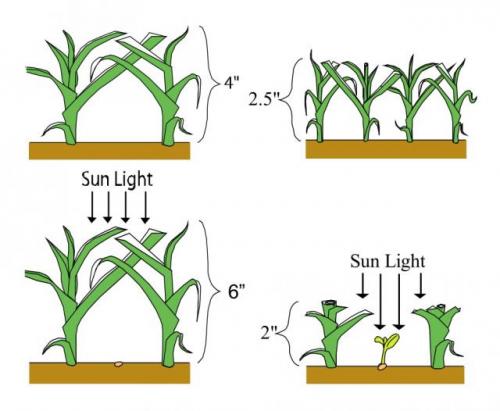
Avoid cutting more than one-thirdof the grass height at once. This helps the grass stay strong. Adjust the mower height as the grass grows in spring. Taller grass keeps roots healthy and holds moisture better.
Best Mowing Techniques
Grass should be dry before mowing. Wet grass can clog the mower. It also causes uneven cuts. Dry grass leads to clean and even cuts. This keeps the lawn healthy. Wait for the morning dew to dry before starting.
Move the mower slowly and steadily. Fast mowing can damage grass. It may leave patches behind. Slow passes ensure even cutting. This helps the grass grow evenly. It keeps the lawn looking neat.
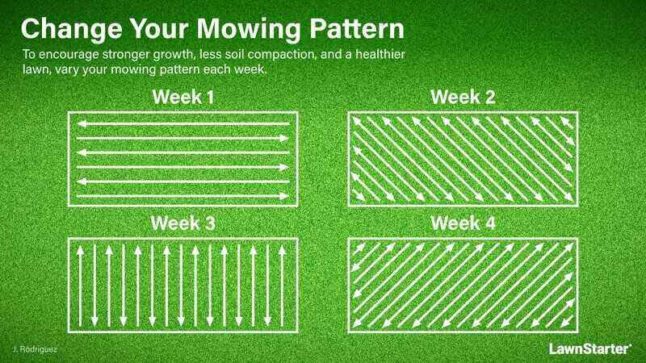
Change the mowing pattern each time. This prevents grass from leaning in one direction. It helps in healthy growth. It also reduces soil compaction. Try mowing in different directions each week. This technique keeps the lawn fresh and vibrant.
Post-mowing Lawn Care
Grass clippings can be removed or left on the lawn as mulch. Removing clippings keeps the yard clean but may lose nutrients. Leaving mulch helps return nutrients to the soil and keeps moisture.
Water the lawn lightly after mowing to help grass recover. Early spring grass needs about 1 inch of water per week. Water in the morning to reduce disease risk.
| Fertilizer Type | Purpose | Application Time |
|---|---|---|
| Slow-release nitrogen | Feeds grass over time | Early spring after mowing |
| Balanced fertilizer (N-P-K) | Supports root and leaf growth | Right after grass starts growing |
| Organic options | Improves soil health | Anytime in early spring |

Credit: golfcourselawn.store
Common Mistakes To Avoid
Mowing too earlycan harm young grass shoots. Grass needs time to grow after winter. Cutting it too often weakens the lawn and stops healthy growth. Wait until grass reaches about 3 inches tall before mowing.
Dull bladestear grass instead of cutting it cleanly. This causes brown tips and makes the lawn look unhealthy. Sharpen mower blades before spring to keep grass neat and healthy.
Ignoring soil compactionmakes it hard for grass roots to get air and water. Compacted soil slows grass growth and can cause bare spots. Use a lawn aerator or garden fork to loosen the soil in early spring.
Credit: www.canr.msu.edu
Frequently Asked Questions
When Is The Best Time To Mow Lawn In Early Spring?
The best time is when grass is dry and soil is firm. Avoid mowing wet or frozen lawns to prevent damage. Early spring mowing encourages healthy growth and removes dead grass from winter.
How High Should I Cut Grass In Early Spring?
Set mower blades higher, around 3 to 3. 5 inches. This protects grass roots and helps retain moisture. Gradually lower the height over weeks as the season progresses.
Should I Rake The Lawn Before Mowing In Spring?
Yes, raking removes dead grass, leaves, and debris. It improves air circulation and allows sunlight to reach grass blades. Raking also helps prevent lawn diseases and promotes healthy growth.
What Mower Settings Work Best For Early Spring?
Use a high blade setting to avoid stressing grass. Ensure mower blades are sharp for clean cuts. Mow slowly and avoid scalping to protect new grass shoots.
Conclusion
Mowing your lawn in early spring helps grass grow healthy and strong. Start with a clean mower blade for the best cut. Keep the grass a bit longer to protect roots from cold. Mow when the lawn is dry to avoid clumps.
Regular mowing encourages thick, green grass all season. Remember to clear debris before you start. A little care now saves work later. Enjoy a fresh, green lawn this spring!





