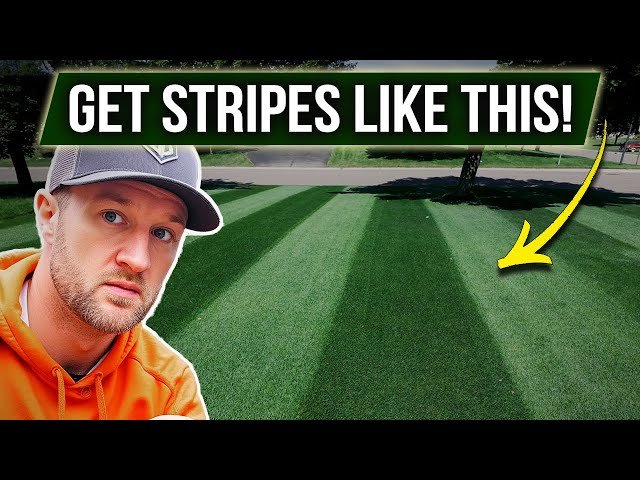
If you want your lawn to look like a professional golf course, striping is the secret weapon you need. But you might be wondering—how can you create those perfect stripes without harming your grass?
You’re not alone. Many people worry that striping might damage their lawn or leave it looking worse than before. The good news is, with the right techniques and a little know-how, you can achieve stunning, healthy stripes that make your yard stand out.
Keep reading, and you’ll discover simple, effective tips to stripe your lawn safely and beautifully. Your grass will thank you!
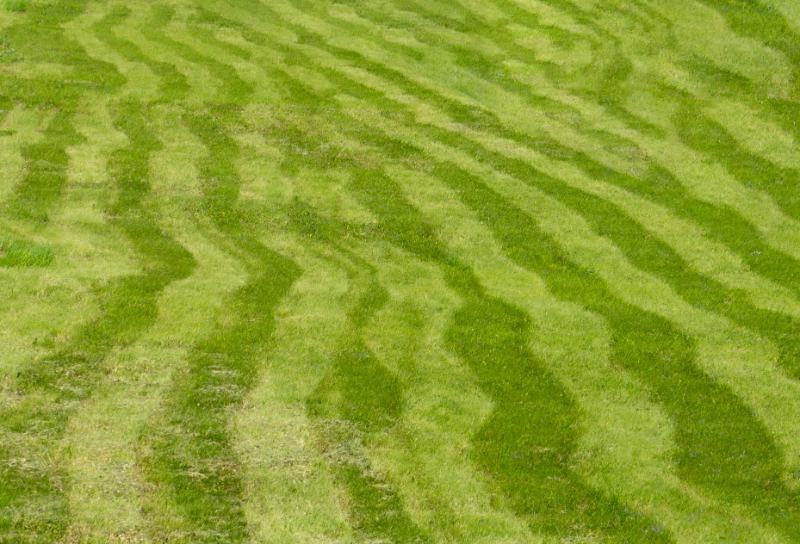
Credit: www.lawnstarter.com
Choosing The Right Grass Type
Cool-season grasseslike Kentucky bluegrass and perennial ryegrass are ideal for striping. They grow densely and recover quickly from mowing marks. Warm-season grasses such as Bermuda grass and Zoysia also work well but need full sun and warm temperatures to thrive.
Grass blades that grow upright help create clear and sharp stripes. Choose grass that grows straight and tall rather than spreading wide or low. This makes the light reflect differently on each stripe, showing the pattern clearly.
| Grass Type | Growth Pattern | Best For |
|---|---|---|
| Kentucky Bluegrass | Upright, dense | Cool, temperate regions |
| Perennial Ryegrass | Upright, quick recovery | Cool climates, high traffic |
| Bermuda Grass | Upright, warm-season | Hot, sunny areas |
| Zoysia Grass | Dense, slow growth | Warm climates, shade tolerant |

Credit: www.reddit.com
Preparing Your Lawn
Mow your lawnat the right height to protect grass blades. Cutting too short stresses the grassand makes it weak. Keep mower blades sharp for a clean cut, not a tear. A good mowing height is usually between 2.5 to 3 inches. This helps grass grow strong and resist damage from striping.
Soil moistureaffects how your lawn reacts to striping. Soil that is too wet can cause ruts and damage. Soil that is too dry makes grass brittle and easy to break. Water the lawn a day before striping, but avoid overwatering. Healthy soil with good drainage supports strong grass roots. Test soil health by checking its color and texture. Dark, crumbly soil is healthy. Compacted or dry soil needs aeration or watering.
Selecting Lawn Striping Tools
Choosing the right lawn striping toolshelps create neat stripes without hurting grass. Different types of lawn stripers use various ways to bend grass blades. This bending makes light and dark stripes.
Common types include:
- Roller stripersattach to mowers and press grass down.
- Striping kitsadd to push mowers for easy use.
- Weighted rollersdrag behind mowers for deeper stripes.
For DIY striping options, use simple household items like a lawn roller or a homemade striping brush. These tools press grass lightly to make visible stripes. Always avoid heavy pressure to protect grass roots.
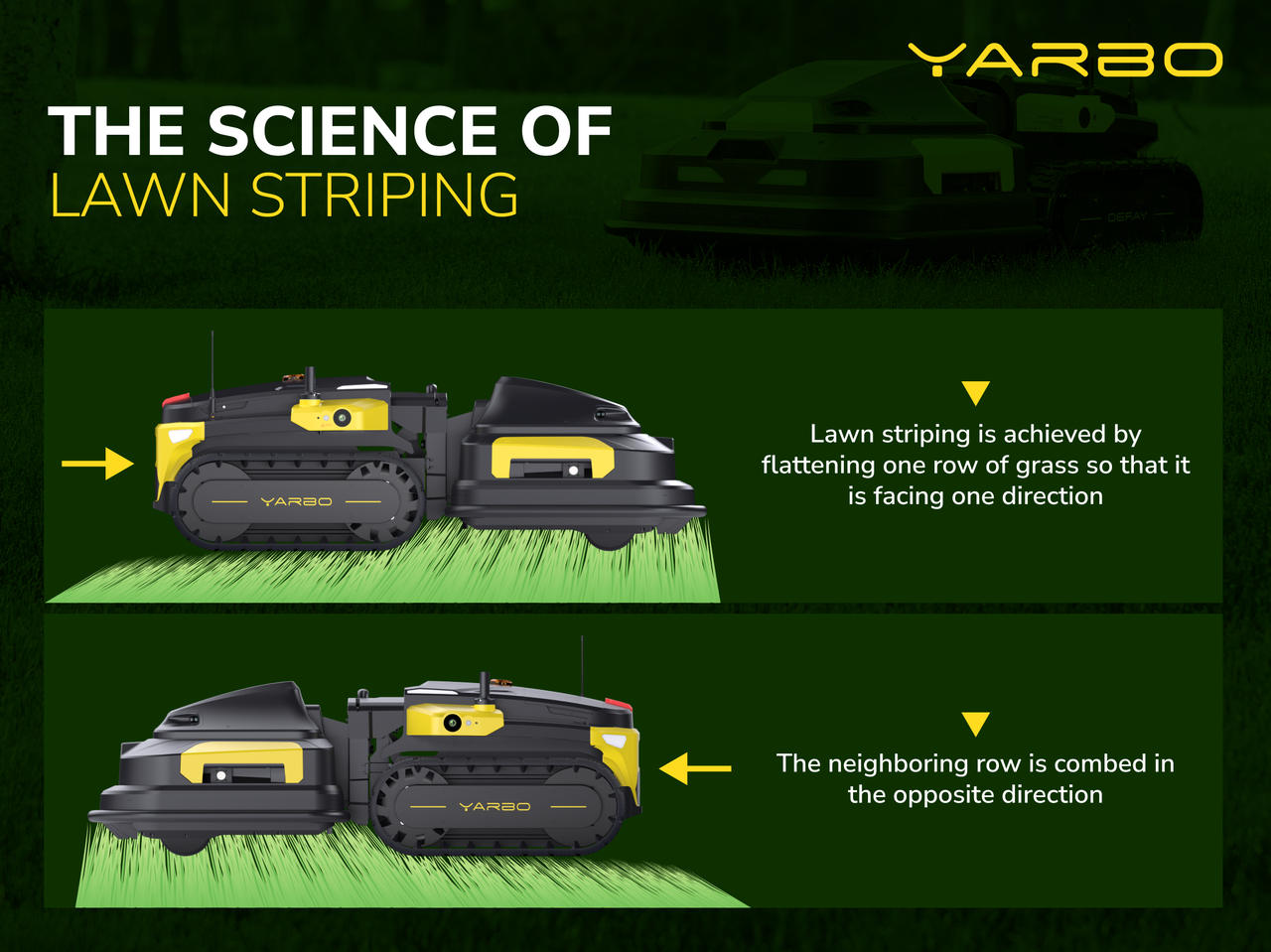
Credit: www.yarbo.com
Techniques For Striping
Use a sharp mower blade and mow when grass is dry to avoid damage. Alternate directions to create clear stripes and prevent soil compaction. Maintain a steady speed for even cutting and healthy grass growth.
Creating Straight Lines
Make sure your mower is in good condition. Check the blades are sharp. Walk in a straight line. Keep your eyes on a point far ahead. This helps maintain a straight path. Use a string or rope as a guide. It helps you stay straight.
Avoiding Overlapping
Overlap can cause uneven stripes. Always keep a small gap between passes. Look back to check your work. Correct any mistakes right away. Avoid cutting the same spot twice. This protects the grass.
Turning At Edges
Turn carefully at the edges of your lawn. Slow down as you approach the end. Lift the mower slightly. This prevents damaging the grass. Start your next row smoothly. Always turn in the same direction. This keeps your stripes neat.
Maintaining Grass Health
Proper wateringhelps grass recover after striping. Water the lawn early in the morningto reduce evaporation. Avoid overwatering, which can cause root rot. Aim for about 1 inch of waterper week, including rainfall. This keeps grass healthy and strong.
Fertilizing supports grass growth and repair. Use a balanced fertilizerwith nitrogen, phosphorus, and potassium. Apply it once a monthduring the growing season. Follow package instructions to avoid over-fertilizing. Too much fertilizer can burn the grass.
Signs of stress include yellowing leaves, dry patches, and slow growth. Check soil moisture and adjust watering if needed. Aerate compacted soil to help roots breathe. Remove debris to reduce disease risk. Healthy grass recovers faster from striping stress.
Common Mistakes To Avoid
Mowing too lowcan harm grass roots and cause stress. Grass blades need enough height to stay healthy. Set mower blades to at least 2.5 to 3 inches. Cutting too short makes grass weak and brown.
Striping on wet grassis risky. Wet grass clumps and may tear when striped. It can also cause uneven patterns. Wait for the lawn to dry before starting. Dry grass bends better and gives cleaner stripes.
Ignoring lawn recoveryslows growth and health. After striping, grass needs time to heal. Avoid heavy traffic and keep the lawn watered. Use light fertilizer to support new growth. This helps grass stay green and strong.
Seasonal Striping Advice
Spring and summerare the best times for lawn striping. Grass grows fast and heals quickly. Mow when the grass is dry to avoid clumps. Use a sharp mower blade for clean cuts. Avoid heavy rolling on wet soil to prevent damage. Alternate stripe directions to keep grass strong. Water early in the morning to reduce stress. Fertilize regularly to help grass stay healthy and green.
In fall and winter, grass grows slowly or stops. Avoid striping on frozen or very wet ground. Use lighter mower settings to prevent pulling grass. Remove leaves often to stop mold and disease. Stop fertilizing late in fall to let grass rest. Keep lawn free of heavy traffic to avoid damage. Prepare the lawn for spring by aerating and adding mulch.
Frequently Asked Questions
How Do I Stripe My Lawn Without Damaging Grass?
Use a sharp mower blade and avoid cutting wet grass. Alternate stripe directions each time. Mow at the right height to keep grass healthy and prevent damage.
What Equipment Is Best For Lawn Striping?
A lawn roller or striping kit attached to your mower works best. These tools bend grass blades gently to create distinct stripes without harming them.
How Often Should I Stripe My Lawn?
Stripe your lawn every 1-2 weeks during the growing season. This schedule maintains healthy grass and keeps stripes vibrant without stressing the lawn.
Can I Stripe Different Types Of Grass?
Yes, most cool and warm-season grasses can be striped. Adjust mower height and striping technique based on grass type for best results.
Conclusion
Striping your lawn can add beauty and style. Use gentle mowing techniques to protect the grass. Avoid sharp turns and mow when the grass is dry. Regular care helps keep the stripes clear and healthy. Remember, patience is key for the best results.
Your lawn will look neat without damage. Enjoy a striped lawn that stands out in your neighborhood.





