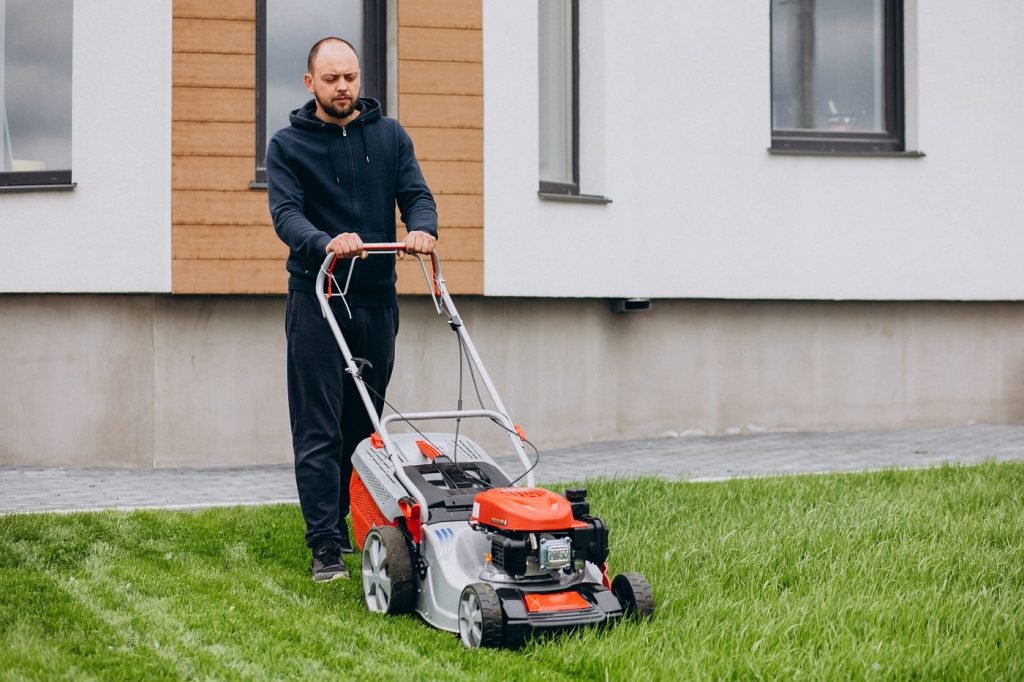
Have you ever thought about how your mowing habits affect the tiny creatures living right under your feet? Sustainable mowing isn’t just about keeping your lawn neat—it plays a big role in helping plants, insects, and animals thrive.
When you change the way you cut your grass, you can create a safer home for butterflies, bees, and birds. Curious how a simple shift in your routine can make a real difference? Keep reading to discover why sustainable mowing is a powerful step toward protecting the natural world around you—and how you can start making an impact today.

Credit: www.greenmatters.com
Impact Of Traditional Mowing On Ecosystems
Traditional mowing can harm the soil’s natural balance. Cutting grass too often removes important nutrients. This makes the soil weak and less healthy for plants.
Many native plantscannot grow well with frequent mowing. These plants are important for local wildlife and help keep the ecosystem strong.
- Less foodfor insects and birds.
- Fewer placesfor animals to build nests.
- Reduced shelterfor small creatures.
Wildlife habitats get broken up by constant mowing. Animals lose their homes and must move elsewhere. This can lower the number of species in the area.

Credit: uk.mammotion.com
Benefits Of Sustainable Mowing Practices
Sustainable mowinghelps keep many kinds of plants alive. It stops one type from taking over. This increases plant diversity, which is good for the environment. Different plants mean more food and shelter for animals.
Many pollinators and insectsneed wildflowers and tall grass. Sustainable mowing lets these grow and bloom. Bees, butterflies, and other insects find places to live and feed. This supports healthy ecosystems and helps plants grow.
Soil stays healthy with less mowing. It keeps its nutrientsand holds water better. This helps plants grow strong roots. Healthy soil is the base for a healthy garden or field.
Techniques For Sustainable Mowing
Adjusting mowing frequency helps plants and animals grow better. Mow less often to let flowers bloom and seeds drop. This gives insects and birds food and shelter. Mowing too often harms the soil and small creatures living there.
Using eco-friendly equipment protects the environment. Electric or battery-powered mowers reduce pollution. They make less noise, which helps wildlife stay calm. Sharp blades cut grass cleanly, helping plants recover fast.
Creating wildlife-friendly zones means leaving parts of your lawn wild. These zones provide homes for insects, birds, and small animals. Avoid mowing these areas to encourage biodiversity. Plant native flowers and shrubs to attract more wildlife.
Role Of Sustainable Mowing In Climate Resilience
Sustainable mowing supports diverse plant and insect life by preserving natural habitats. It reduces soil damage and helps plants grow stronger, boosting ecosystem health. This approach also aids in adapting to climate changes by maintaining balanced green spaces.
Carbon Sequestration Through Healthy Lawns
Healthy lawns help trap carbon dioxidefrom the air. They store it in the soil. This process is called carbon sequestration. It helps reduce harmful gases in the air. Lawns act like small forests. They provide a safe place for carbon. This makes our air cleaner.
Reducing Urban Heat Islands
Grass keeps areas cool. It reduces the heat in cities. Concrete and buildings make places hot. Lawns give a cool spot in hot spaces. This helps people feel better. It saves energy too. Less air conditioning is needed.
Improving Water Retention
Lawns help the soil hold water. This stops water from running away. The grass roots hold the soil together. Water stays longer in the ground. Plants can drink this water. It helps them grow strong. This is good for our environment.
Community And Environmental Benefits
Sustainable mowing protects habitats for insects, birds, and small animals. It helps flowers and plants grow, supporting a healthy ecosystem. This practice reduces pollution and soil damage, benefiting the whole community.
Encouraging Biodiversity In Urban Areas
Sustainable mowing helps create habitats for birds, insects, and small animals. Letting grass grow longer supports wildflowers and native plants. These plants feed bees and butterflies. This keeps cities green and lively. It also helps reduce pollution and noise.
Supporting Local Ecosystem Services
Longer grass and diverse plants improve soil health. They hold water better, reducing floods. Plants clean the air by trapping dust and harmful gases. Healthy plants also provide food for many animals. This keeps the whole ecosystem balanced and strong.
Fostering Environmental Stewardship
- Community members feel proud of green spaces.
- People learn the value of nature nearby.
- Children enjoy watching wildlife in parks.
- More people join to protect local plants and animals.

Credit: medium.com
Frequently Asked Questions
What Is Sustainable Mowing And Why Does It Matter?
Sustainable mowing is mowing that supports environmental health. It reduces pollution, conserves resources, and protects wildlife habitats. This practice helps maintain soil quality and encourages biodiversity by preserving native plants and insects.
How Does Sustainable Mowing Improve Biodiversity?
It creates diverse habitats by leaving varied grass heights and wildflowers. This encourages pollinators and other wildlife to thrive. The practice prevents over-cutting, promoting a healthy ecosystem that supports multiple species.
Can Sustainable Mowing Reduce Environmental Impact?
Yes, it lowers carbon emissions by reducing mowing frequency. It also minimizes fuel use and soil compaction. This approach protects natural resources and helps maintain ecological balance in urban and rural areas.
What Plants Benefit From Sustainable Mowing?
Native grasses and wildflowers benefit the most. These plants provide food and shelter for insects, birds, and small mammals. Sustainable mowing helps these species flourish by avoiding excessive cutting and allowing natural growth cycles.
Conclusion
Sustainable mowing keeps nature healthy and alive. It helps flowers, insects, and birds thrive. Cutting grass less often lets plants grow strong roots. This supports many animals that depend on plants. Small changes in mowing can protect local wildlife. Everyone can join in to make a difference.
Healthy yards create a better world for all. Simple steps lead to big benefits for biodiversity. Let’s care for nature with smart mowing habits.





