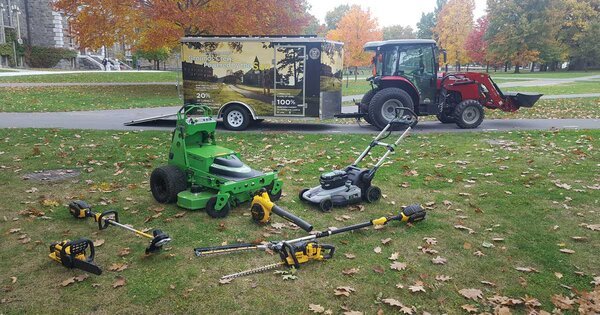
Are you looking for a way to keep your lawn healthy without harming the environment? Sustainable mowing might be the answer you’ve been searching for.
It’s more than just cutting grass—it’s a smart, eco-friendly approach that saves you time, money, and effort while protecting your outdoor space. You’ll discover what sustainable mowing really means and how it can transform your lawn care routine. Keep reading to learn simple steps you can take to mow smarter and greener starting today.
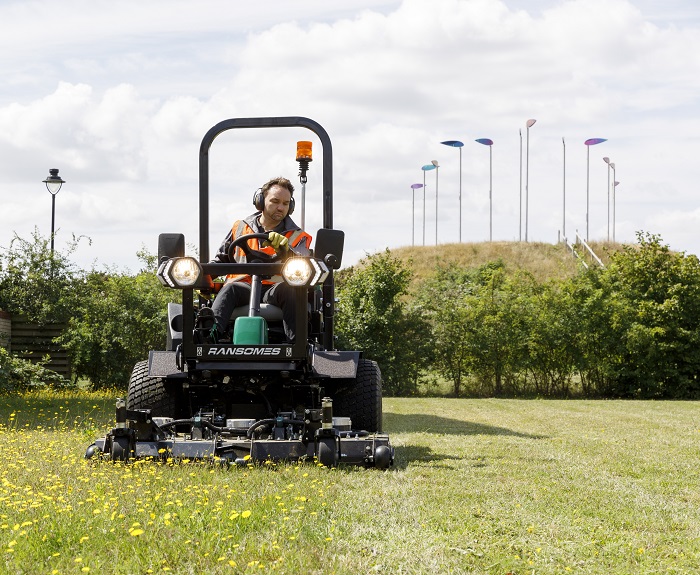
Credit: landscapeandamenity.com
Sustainable Mowing Basics
Sustainable mowingmeans cutting grass in a way that helps nature. It saves water, reduces pollution, and keeps soil healthy. Grass clippings stay on the lawn, giving food back to the soil.
It helps reduce wastesince clippings do not go to landfills. Using less fertilizer and fewer chemicals also protects bugs and animals. Sustainable mowing keeps your lawn green and strong without harming the planet.
| Impact | Description |
|---|---|
| Lawn Health | Grass grows deeper roots, making it tougher and greener. |
| Water Use | Soil holds water better, reducing the need to water often. |
| Soil Quality | Natural nutrients stay in the ground, improving soil health. |
| Pest Control | Fewer chemicals mean fewer pests and more good insects. |
Choosing Eco-friendly Equipment
Electric mowers run on batteries and produce no direct pollution. They are quieterand need less maintenance. Gas mowers are powerfulbut release harmful fumes. They also need gasolineand more care.
Manual mowing tools like push reel mowers are eco-friendly. They do not use fuel or electricity. They are quietand help you exercise. These tools are best for small lawnsor areas with lots of plants.
| Feature | Electric Mowers | Gas Mowers | Manual Tools |
|---|---|---|---|
| Power Source | Battery | Gasoline | Human effort |
| Noise Level | Low | High | Very low |
| Pollution | None | High | None |
| Maintenance | Low | High | Very low |
| Best Use | Medium to small lawns | Large lawns | Small lawns or gardens |
Mowing Techniques For Sustainability
Optimal cutting heightkeeps grass healthy and strong. Cutting too short can stress grass and cause brown spots. Mowing at about 3 inches helps grass grow deep roots and hold water better. It also stops weeds from growing.
Mowing frequency tipsdepend on grass growth speed. Mow often enough to cut no more than one-third of grass height. This avoids shock to the grass and keeps the lawn neat. During fast growth, mow every 3-5 days. In slow growth, mow every 7-10 days.
Grasscycling practicesmean leaving grass clippings on the lawn. These clippings add nutrients back to the soil. They reduce the need for extra fertilizer. Use a sharp mower blade to chop clippings finely. This helps clippings break down faster and keeps the lawn clean.

Credit: mammotion.com
Water Conservation Strategies
Efficient irrigation methodssave water by delivering it only where needed. Drip irrigation targets the roots directly. This avoids water loss from evaporation and runoff. Using timers helps water lawns during cooler times, like early morning or late evening. Rain sensors stop irrigation when it rains, preventing wasted water.
Drought-resistant grass typesneed less water to stay green. Some popular types include Bermuda, Buffalo, and Zoysia grasses. These grasses survive dry spells better and require less frequent watering. Choosing the right grass helps keep lawns healthy with less water.
Natural Lawn Care Alternatives
Organic fertilizers are made from natural materials. They help the grass grow strong and green. Unlike chemical fertilizers, they are safe for the environment. They improve soil health and add important nutrients. Some popular organic fertilizers are compost, bone meal, and fish emulsion. These options are good for people and animals. They keep the lawn healthy without harmful chemicals.
Natural pest control methods keep lawns free from bugs. Use plants that bugs don’t like. For example, marigolds can help keep pests away. Introduce beneficial insects like ladybugs. They eat harmful pests. Use neem oil to keep bugs away. It is safe and effective. These methods protect the lawn and the environment.

Credit: greenecodream.com
Seasonal Lawn Care Tips
Sustainable mowing means cutting grass in a way that helps the environment. It saves water, reduces waste, and keeps your lawn healthy all year. This approach supports nature while keeping your yard neat and green.
Spring Preparation
Clear leaves and debris to let grass breathe. Cut grass at a higher height to avoid stress. Aerate the soil to improve water and air flow. Add natural fertilizer to feed the lawn. Water deeply but less often to encourage strong roots.
Summer Maintenance
Mow regularly but keep blades high to protect grass from heat. Water early in the morning to reduce evaporation. Remove weeds to prevent competition for nutrients. Avoid heavy foot traffic to stop soil compaction. Mulch grass clippings to keep soil moist and rich.
Fall Cleanup
Rake fallen leaves to prevent mold and damage. Lower mower height gradually to prepare grass for winter. Overseed bare spots to fill in the lawn. Apply fertilizer to strengthen roots before cold. Clear debris to reduce pests and diseases.
Frequently Asked Questions
What Is Sustainable Mowing And Why Is It Important?
Sustainable mowing involves eco-friendly grass cutting practices that protect soil and biodiversity. It reduces fuel use and emissions, promoting a healthier environment and saving resources.
How Does Sustainable Mowing Benefit The Environment?
It minimizes pollution by using electric mowers and reduces grass waste through mulching. This supports wildlife habitats, conserves water, and maintains soil health naturally.
Which Tools Are Best For Sustainable Mowing?
Electric or battery-powered mowers are ideal. Manual reel mowers also work well. These tools reduce carbon emissions and noise pollution compared to gas-powered mowers.
How Often Should Sustainable Mowing Be Done?
Mow only when necessary to avoid stressing grass. Typically, every 1-2 weeks during growing seasons helps maintain healthy lawns and supports local ecosystems.
Conclusion
Sustainable mowing helps protect nature and saves resources. It keeps your lawn healthy and reduces waste. Simple steps like cutting grass at the right height make a big difference. Using electric or manual mowers can lower pollution. Watering less after mowing also helps the environment.
Everyone can try these easy habits. Small changes lead to greener yards and a cleaner planet. Sustainable mowing is good for your lawn and for future generations. Give it a try and see the benefits yourself.





