
Are you tired of watching your lawn turn brown and lifeless during dry spells? Finding a way to keep your grass healthy without wasting precious water can feel impossible.
But what if you could mow your lawn smarter, saving water and still enjoying a green, thriving yard? Sustainable mowing for drought areas is the secret to making your lawn work with nature, not against it. You’ll discover simple, effective tips that help you protect your lawn and the environment—without extra effort or cost.
Ready to transform your mowing routine and make every drop of water count? Let’s dive in.

Credit: www.lawnmasters.co.nz
Choosing Drought-resistant Grass
Native grass varietiesare best for dry places. They grow well with little water and need less care. These grasses match the local weather and soil. This helps them survive drought better than other types.
Deep-rooted speciesreach far into the soil. This lets them find water deeper underground. They stay green longer during dry times. Their roots also help stop soil erosion and keep the ground healthy.
| Benefit | Description |
|---|---|
| Water Saving | Needs less frequent watering than shallow-root grasses. |
| Soil Health | Roots improve soil structure and prevent erosion. |
| Drought Tolerance | Survives dry periods without turning brown quickly. |
| Low Maintenance | Requires less mowing and fertilizer. |
Adjusting Mowing Practices
Grass should be cut to the right height for drought areas. Keeping grass too short can stress it and use more water. A height of about 3 to 4 incheshelps grass keep moisture and grow deeper roots. Taller grass shades the soil, reducing evaporation. It also stops weeds and protects the grass during hot days.
Cutting grass less often saves water. Lawns need less water if mowed every 10 to 14 days. This allows grass to grow stronger and stay green longer. Mowing too often can dry out the soil and weaken the grass.
Efficient Watering Techniques
Watering early in the morning helps the soil soak water well. It reduces water loss from the sun and wind. Late afternoon watering can cause leaves to stay wet overnight. This may lead to plant diseases. Aim for watering when temperatures are cooler.
Drip and soaker hoses deliver water directly to the roots. This method wastes less water than sprinklers. It keeps leaves dry and lowers evaporation. These hoses work well for small or large yards. They help plants grow stronger in dry places.
- Drip hoses release water slowly and evenly.
- Soaker hoses seep water along their length.
- Both reduce water waste by targeting roots.
- They save time and effort in watering.
Soil Health And Mulching
Healthy soil helps plants grow strong. Moisture retention is key for drought areas. Adding mulch can help keep the soil moist. Mulch acts like a blanket. It stops water from leaving the soil. This helps plants stay hydrated longer. Mulch also keeps soil temperature steady. This is important in hot weather.
There are different types of mulch. Organic mulches include straw, wood chips, and leaves. They break down and add nutrients. Inorganic mulches like rocks last longer. But they don’t add nutrients. Spread mulch around plants, but not too thick. About 2-3 inches is enough. Keep mulch away from plant stems. This prevents rot and keeps plants healthy.
Smart Equipment Choices
Electric mowerssave water and energy. They make less noise and need no gas. Manual mowersuse no fuel at all. Both types reduce pollution and keep yards healthy. These mowers work well in dry places.
Regular maintenancekeeps mowers running smoothly. Clean blades cut grass better and use less power. Check batteries or cords on electric mowers often. Sharpen blades on manual mowers to avoid damage. Well-kept equipment lasts longer and stays efficient.

Credit: tlrealestate.ca
Alternative Landscaping Options
Sustainable mowing helps save water in dry areas by cutting grass less often and higher. Choosing drought-friendly plants reduces the need for frequent watering and mowing. This method keeps landscapes healthy while protecting natural resources.
Xeriscaping Principles
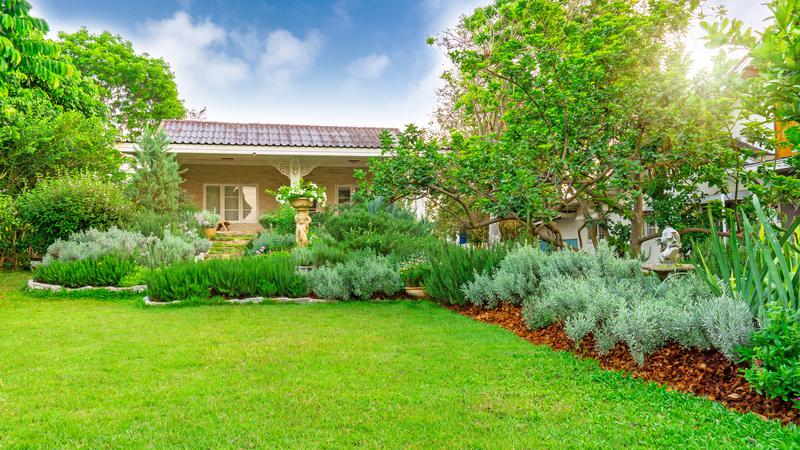
Xeriscapingsaves water by using plants that need little water. It lowers water use and keeps your yard green. Using mulch helps keep soil moist. Grouping plants with similar water needs is smart. This way, watering is easy and effective.
Incorporating Native Plants
Native plantsfit well in drought areas. They need less water and care. These plants help local wildlife and keep your garden healthy. Choosing native plants means your yard looks natural and saves water.
Credit: cfjctoday.com
Frequently Asked Questions
What Is Sustainable Mowing In Drought Areas?
Sustainable mowing conserves water and promotes healthy grass. It uses efficient techniques to reduce water waste and soil damage. This approach supports drought resilience and minimizes environmental impact.
How Often Should You Mow During A Drought?
Mow less frequently during droughts to reduce stress on grass. Allow grass to grow taller, which helps retain moisture. Adjust mowing schedules based on soil moisture and weather conditions.
What Mower Settings Work Best For Drought Conditions?
Use a higher mower blade setting to keep grass longer. Taller grass shades roots and reduces evaporation. Avoid scalp mowing, which can weaken drought-stressed lawns.
Can Sustainable Mowing Save Water In Drought-prone Areas?
Yes, sustainable mowing reduces water needs by promoting deeper roots. Longer grass retains soil moisture better, reducing irrigation frequency. This method supports water conservation during drought periods.
Conclusion
Sustainable mowing helps save water and keeps soil healthy. It supports plants during dry seasons and reduces lawn damage. Choosing the right grass height and mower makes a big difference. Regular care with less water protects your yard and the environment.
Small actions add up to a greener, stronger lawn. Try these tips to keep your lawn safe through droughts. Your efforts help nature and create a pleasant outdoor space. Simple changes make mowing easier and more eco-friendly.





