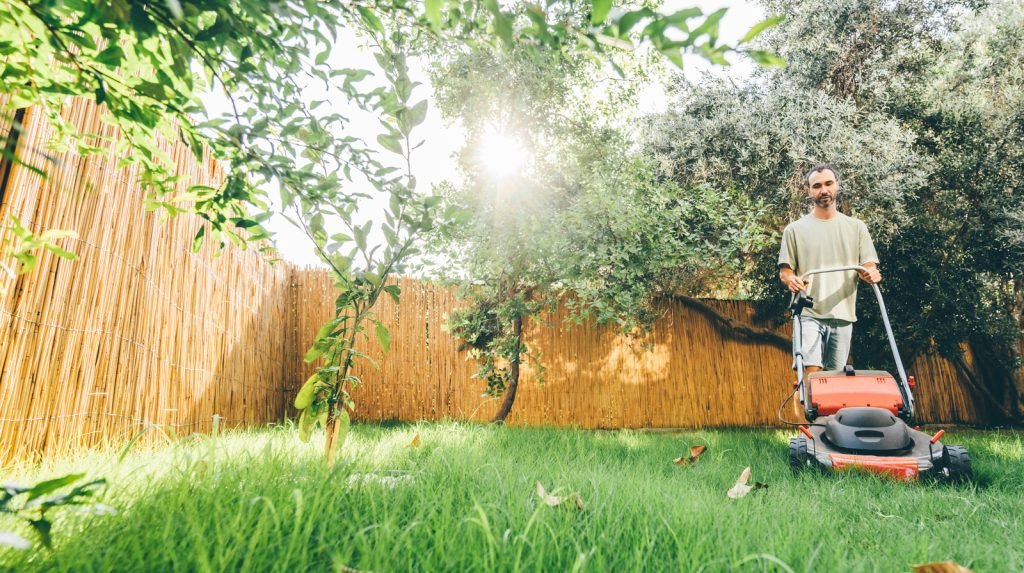
Have you ever stopped to think about how mowing your lawn might be changing more than just the look of your yard? What if the simple act of trimming your grass is affecting the tiny creatures and plants that live right beneath your feet?
your lawn is more than just a patch of green—it’s a mini ecosystem full of life. By understanding how mowing impacts biodiversity, you can make choices that help your yard thrive naturally. Keep reading to discover surprising facts that might change how you care for your lawn forever.
Mowing And Habitat Disruption
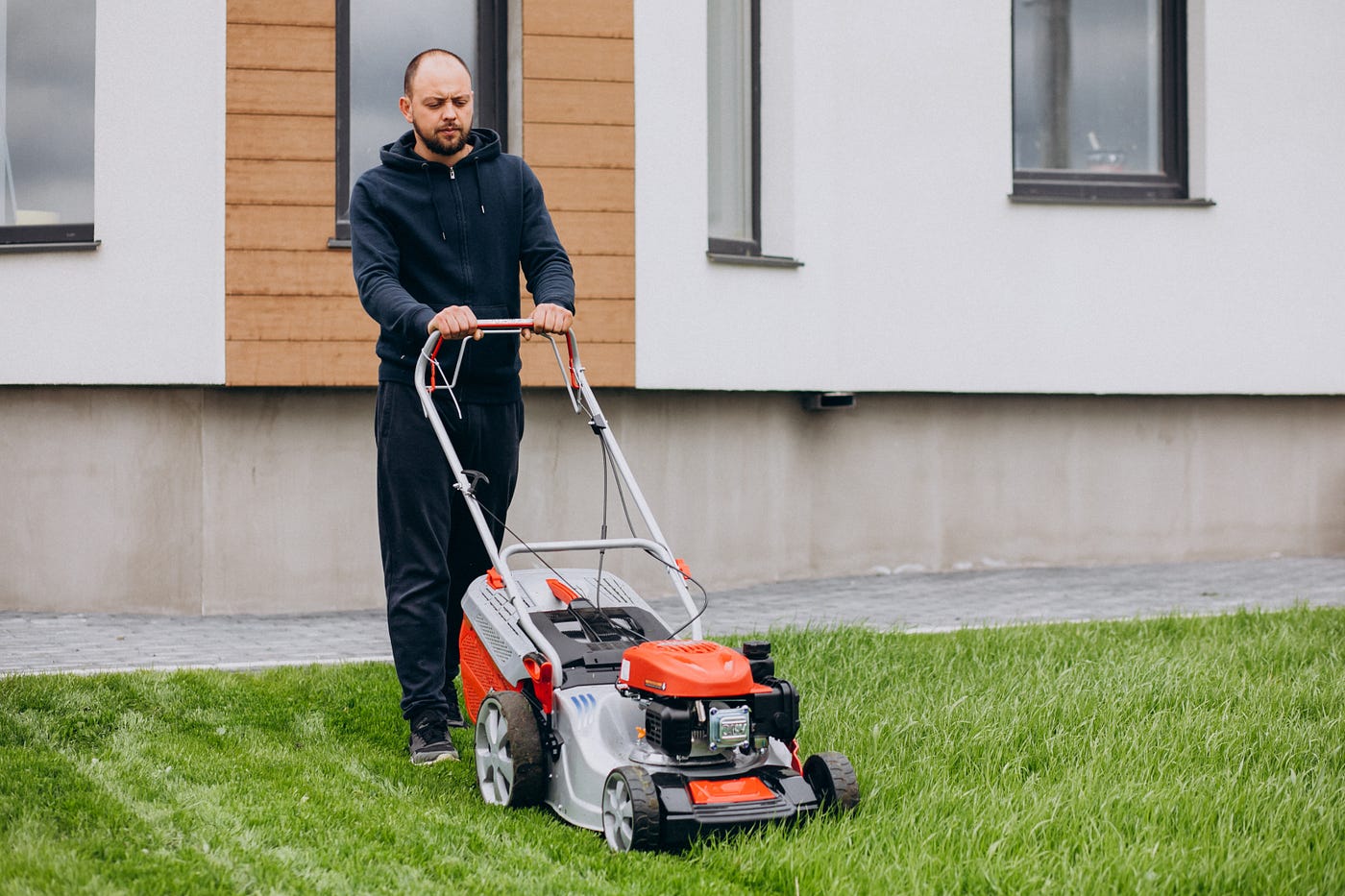
Mowingcan disturb the homes of many insects. Many bugs live in tall grass and flowers. Cutting grass often removes their shelter and food. Some insects may die or move away. This change can hurt the whole ecosystem because insects help plants grow and feed birds.
Small mammals like mice and rabbits also lose their safe places. They hide in tall grass to stay safe from predators. Mowing too often makes it hard for them to find shelter. This can lower their numbers and affect animals that eat them.
Frequent mowing causes a loss of plant diversity. Many wildflowers and native plants cannot grow well when cut too short. This reduces the variety of plants in the area. Less plant variety means fewer food sources for insects and animals.
Credit: medium.com
Frequency And Timing Of Mowing
The seasonaffects how often you should mow the lawn. Grass grows faster in spring and summer, so mowing more often helps keep it healthy. In fall and winter, grass grows slowly, so mowing less is best.
Choosing the right timeof day for mowing also matters. Mowing during the daywhen the grass is dry can reduce damage. Night mowing may harm insects and small animals that live in the grass.
| Season | Optimal Mowing Interval | Best Time to Mow |
|---|---|---|
| Spring | Once a week | Mid-morning |
| Summer | Every 5 days | Morning or late afternoon |
| Fall | Every 2 weeks | Mid-morning |
| Winter | Once a month or less | Mid-day |
Soil Health And Mowing
Soil compactionhappens when lawn mowing machines press down the soil. This makes it hard for air, water, and rootsto move through the soil. Plants may grow weaker and less healthy.
Nutrient cyclingchanges because mowing cuts plant leaves. Fewer leaves mean less organic matter goes back to the soil. This can slow down how nutrients move and recycle in the soil.
Microbial communitiesin the soil can shift. Mowing changes the environment where microbes live. Some helpful microbes may decrease, while others that are less useful may grow more.

Credit: www.mdpi.com
Alternatives To Traditional Mowing
Choosing alternatives to traditional mowing helps protect insects and small animals in your yard. Letting grass grow longer or using hand tools supports more plants and wildlife. This approach encourages a healthier and more diverse garden environment.
Creating a meadow lawn helps butterflies and bees find food. These lawns need less water and care. Wildflowers bring color and life to gardens. They are good for the environment. Selective mowing lets some plants grow tall. This way, small animals have places to hide. It also helps different plants grow. Mowing only parts of the lawn keeps the area neat and tidy. Native plants are used because they need less watering and fertilizer. They are perfect for local animals. These plants are strong and can resist local pests. They help gardens look natural and beautiful. `Benefits Of Reduced Mowing
Reduced mowinghelps create better homes for many insects. Flowers grow tall and bloom more, giving pollinators like bees and butterfliesplenty of food and shelter.
Birds find more insects and seeds in these less-cut areas. This brings more types of birdsto your lawn, making it a lively place.
Longer grass and wild plants help the land stay strong. This means the ecosystem can handle changeslike weather or pests better.
Credit: www.discovermagazine.com
Frequently Asked Questions
Can Mowing Lawn Reduce Local Biodiversity?
Yes, frequent mowing removes flowering plants and grasses. This reduces habitat and food for insects and small animals, lowering biodiversity.
How Does Mowing Frequency Impact Wildlife?
Higher mowing frequency disrupts nesting sites and food sources. Less frequent mowing allows plants to grow, supporting more insects and wildlife.
Does Lawn Mowing Affect Pollinators?
Regular mowing limits flowering plants that pollinators rely on. Allowing some areas to grow wild can improve pollinator health and diversity.
Can Mowing Practices Improve Lawn Biodiversity?
Yes, mowing higher and less often encourages native plants. This supports diverse insects, birds, and soil organisms, boosting overall biodiversity.
Conclusion
Mowing your lawn can change the home for many small animals and plants. Cutting grass too often may reduce flowers and insects. Letting grass grow a bit longer helps bugs and birds thrive. Choosing how and when to mow supports local life around you.
Small changes in lawn care protect nature right outside your door. Think about the balance between neatness and nature’s needs. Your lawn can be green and full of life at the same time.





