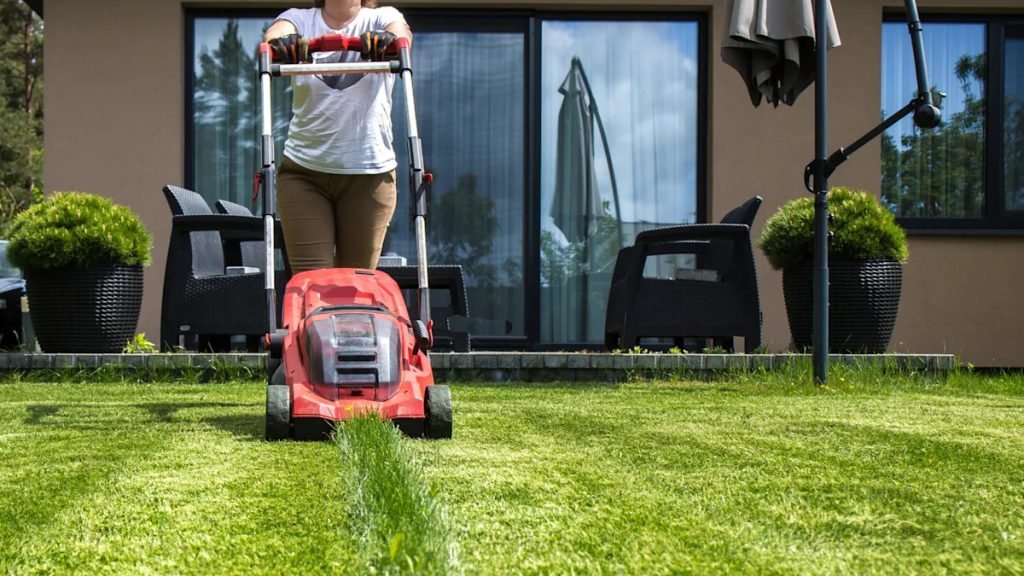
Are you wondering if mowing your lawn is really necessary when you’re aiming for an eco-friendly yard? You might think skipping the mower could save time and help the environment, but is that the whole story?
Your lawn’s health, appearance, and impact on nature all depend on how you care for it. Keep reading to discover why mowing might be more important than you think—and how you can do it in a way that supports a greener, healthier lawn.
This could change the way you look at lawn care forever.
Credit: fairwaylawns.com
Benefits Of Eco Lawns
Eco lawns need less water than regular grass. This helps save water. Less watering means lower water bills. Plants in eco lawns are often drought-resistant. This makes them perfect for dry places.
Eco lawns help many creatures live happily. Birds, bees, and bugs find food and shelter here. This helps the environment stay healthy. Different plants in eco lawns support various species. This increases biodiversity in your garden.
Eco lawns use fewer chemicals. No need for harmful pesticides or fertilizers. This keeps the soil and water clean. Less chemical use means safer play areas for kids and pets. It’s better for the planet too.
Mowing Practices For Eco Lawns
Optimal mowing heightkeeps eco lawns healthy. Cut grass to about 3 inches tall. This height helps grass hold water and stay strong. Cutting too short can hurt grass roots and let weeds grow.
Frequency of mowingdepends on grass growth speed. During spring and summer, mow once a week. In cooler months, mow less often. Avoid cutting more than one-third of the grass length at once. This keeps the lawn green and thick.
Tools for eco-friendly mowingsave energy and reduce pollution. Use electric or manual reel mowers. These mowers make less noise and do not use gas. Keep mower blades sharp to cut cleanly and help grass heal faster.
Impact Of Mowing On Lawn Health
Mowing helps keep grass healthy by promoting even growth and reducing weeds. Regular cutting supports strong roots and a greener lawn. Eco lawns benefit from mowing that balances nature and care.
Grass Growth And Root Development
Mowinghelps keep grass at a healthy height. Cutting grass regularly encourages strong roots. Short grass blades let sunlight reach lower parts of the plant. This helps new shootsgrow. But cutting too short can stress the grass and slow root growth.
Weed Control
Mowing stops many weedsfrom spreading seeds. It keeps the lawn tidy and stops weeds from taking over. Regular mowing gives grass a better chance to fight weedsnaturally. Tall grass can hide weeds and make them harder to remove.
Soil Quality Effects
Grass clippings left on the lawn add nutrientsback to the soil. This helps keep the soil healthyand rich. Mowing also helps prevent thick thatch layers that block water and air. Proper mowing supports good soil structureand water absorption.
Credit: www.theguardian.com
Alternatives To Traditional Mowing
Natural lawn carereduces the need for frequent mowing. It uses plants that grow slowly and need less water. This saves time and helps the environment.
Ground covers like clover and moss can replace grass in some areas. They stay low and green all year. These plants need less cutting and use fewer chemicals.
- Selective mowingmeans cutting only parts of the lawn.
- This helps keep wildflowers and taller grass for bees and insects.
- It also creates a more natural look and supports local wildlife.
Seasonal Mowing Tips
Spring and summerare key times to mow eco lawns. Keep grass height around 3 to 4 inches. This helps grass grow strong and saves water. Cut often but never more than one-third of the grass height at once. This keeps the lawn healthy and green. Mowing too short can cause dry patchesand weak roots. Use sharp mower blades to make clean cuts.
During fall and winter, reduce mowing frequency. Let the grass grow a bit taller to protect roots from cold. Remove leaves gently to avoid smothering the grass. Stop mowing when the grass stops growing. This helps the lawn rest and recover for the next spring.

Credit: www.greenmatters.com
Eco-friendly Lawn Maintenance
Grass clippings are rich in nutrients. Composting them returns these nutrients to the soil. This reduces the need for chemical fertilizers. It also helps the soil hold water better. Leaving clippings on the lawn saves time and energy too.
Watering lawns wisely is key for eco-friendly care. Early morning watering reduces evaporation. This saves water and keeps grass healthy. Avoid overwatering; too much water can harm roots. Use rainwater or recycled water if possible.
Pollinators like bees and butterflies help plants grow. Planting flowers and native plants attracts them. Avoid using pesticides that can harm these insects. A healthy lawn supports birds and other wildlife too.
Frequently Asked Questions
Is Mowing Necessary For Maintaining Eco-friendly Lawns?
Yes, mowing is necessary to maintain eco-friendly lawns. It promotes healthy grass growth and controls weeds. Proper mowing encourages deeper roots, enhancing drought resistance and soil health. Regular cutting also prevents pests and diseases, contributing to a sustainable lawn ecosystem.
How Often Should You Mow An Eco Lawn?
Mow an eco lawn every 1-2 weeks during the growing season. Frequency depends on grass type and weather. Avoid cutting more than one-third of the grass height to maintain lawn health. Proper timing supports strong grass and reduces environmental stress.
Can Mowing Frequency Impact Eco Lawn Sustainability?
Yes, mowing frequency affects eco lawn sustainability. Over-mowing stresses grass and soil, reducing biodiversity. Under-mowing allows weeds to spread and harms lawn quality. Balanced mowing promotes healthy grass, supports beneficial insects, and improves soil moisture retention.
Does Mowing Reduce The Environmental Impact Of Lawns?
Mowing reduces environmental impact by supporting healthy grass growth. Healthy lawns absorb more carbon and reduce soil erosion. Proper mowing minimizes chemical use by controlling weeds naturally. It also promotes biodiversity, enhancing the lawn’s overall ecological benefits.
Conclusion
Mowing eco lawns helps keep grass healthy and strong. It controls weeds and allows sunlight to reach the soil. Cutting grass too short can harm the lawn, so mow carefully. Regular mowing also supports a natural, balanced yard. Eco lawns need less water and chemicals, making mowing part of green care.
A well-maintained lawn looks good and helps the environment. Simple mowing habits can make a big difference for eco lawns. Keep your lawn healthy with smart mowing choices.





