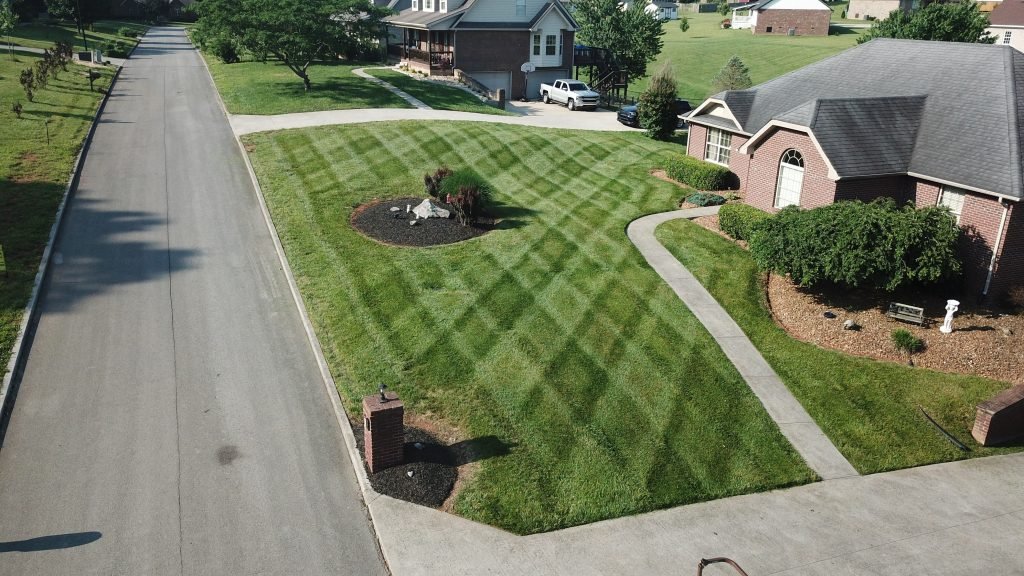
You want a beautiful, green lawn but also care about the little creatures that live in it. What if you could keep your grass neat and healthy while protecting birds, bees, and other wildlife?
It’s easier than you think. By changing how you mow your lawn, you can create a safe space for nature right outside your door. Keep reading to discover simple tips that help you mow smarter and save wildlife at the same time.
Your lawn—and the animals—will thank you.

Credit: www.wildlifenomads.com
Eco-friendly Mowing Basics
Choosing the right mower can make a big difference for wildlife. Electric or battery-powered mowers are quieterand produce less pollutionthan gas mowers. This helps keep the environment cleaner and animals safe. A mower with adjustable height settings lets you protect grass and small creatures.
Setting the mowing height is very important. Grass cut too short harms insects and birds. Keeping grass at least 3 inches tallhelps animals find food and shelter. Taller grass also stays healthier and needs less water.
- Mow less often to protect wildlife habitats.
- Try mowing every two weeksinstead of weekly.
- Leave some parts of your lawn unmowed for insects and small animals.
- Use a slow and steady pace to avoid harming creatures hiding in the grass.
Protecting Wildlife Habitats
Knowing where wildlife lives helps protect them. Look for places with tall grass or flowers. These spots often hide nests and homes for small animals.
Set aside areas you do not mow. These no-mow zonesgive animals space to live and find food. They also help plants grow naturally.
Choose the right time to mow. Avoid cutting grass during the nesting season. Birds and insects need quiet, safe places to raise their young.
Promoting Biodiversity In Your Lawn
Planting native plantshelps local wildlife thrive. These plants need less water and care. They provide food and shelter for birds and insects. Choose flowers and shrubs that naturally grow in your region.
To support pollinators, include plants that bloom at different times. Bees, butterflies, and hummingbirds need nectar throughout the year. Avoid using chemicals that harm these helpful insects.
Creating insect habitatsis easy. Leave some areas unmowed or let grass grow taller. Add piles of leaves or logs for shelter. These spots give insects a safe place to live and breed.

Credit: www.threads.com
Water And Soil Care
Mow your lawn less often to protect insects and small animals living in the grass. Leaving taller patches provides shelter and food for wildlife. Use sharp blades to cut cleanly and avoid harming plants.
Efficient Watering Practices
Water early in the morning. This helps the grass dry quickly. Wet grass at night can cause disease. Use a sprinkler for even watering. Deep watering is better than frequent shallow watering. It helps roots grow strong.
Natural Fertilizing Options
- Use compost to feed the soil. It’s full of nutrients.
- Grass clippings can be left on the lawn. They act as natural fertilizer.
- Manure helps improve soil quality. It adds organic matter.
Soil Health Maintenance
Check the soil for nutrients. Use a soil test kit. Add lime if the soil is too acidic. It helps balance the pH level. Aerate the soil to let roots breathe. This keeps the soil healthy and strong.
Reducing Carbon Footprint
Manual and electric mowers produce less pollution than gas-powered ones. They help reduce carbon emissionsand protect the air. These mowers are quieter, which is better for wildlife and neighbors. Electric mowers require charging, but they do not burn fuel.
Gas-powered equipment releases harmful fumes and noise. Limiting their use cuts down on air pollutionand noise disturbance. Choose to mow less often or mow smaller areas to save fuel and reduce emissions.
Composting grass clippings turns waste into nutrient-rich soil. This practice lowers the need for chemical fertilizers. It also reduces trash and helps keep the lawn healthy. Grass clippings break down naturally, feeding plants and supporting local insects and soil life.

Credit: gardenforwildlife.com
Frequently Asked Questions
How Can Mowing Help Protect Local Wildlife?
Mowing thoughtfully maintains habitats for insects and small animals. Leaving some areas unmowed preserves food and shelter. This approach supports biodiversity and promotes a balanced ecosystem in your lawn.
What Mowing Height Is Best For Wildlife Safety?
Set your mower blade to 3-4 inches high. Taller grass provides cover and nesting sites for wildlife. It also encourages healthier plant growth, which benefits pollinators and other beneficial species.
When Is The Best Time To Mow For Wildlife?
Mow late in the day or during dry weather. Avoid mowing during nesting season in spring and early summer. This timing reduces harm to ground-nesting birds and small animals.
Should I Leave Grass Clippings On The Lawn?
Yes, leaving clippings adds nutrients back to the soil. It improves soil health and supports microorganisms vital for plant and animal life. Avoid bagging to reduce waste and enhance lawn vitality.
Conclusion
Mowing your lawn carefully helps protect local wildlife. Letting grass grow taller gives animals shelter and food. Mow less often and avoid early mornings to keep animals safe. Use sharp blades for a clean cut and reduce lawn damage. Small changes in mowing habits can make a big difference.
Your lawn becomes a friendly home for birds, insects, and small creatures. This simple effort helps nature thrive right outside your door. Save wildlife while keeping your lawn neat and healthy. A little care goes a long way.





